The Best Paralysis Therapy Services in Nairobi
Introduction
At Mostfit Physiotherapy Center in Westlands, Nairobi, we understand how life-changing paralysis can be. Whether the cause is a stroke, spinal cord injury or a neurological condition, the loss of mobility and independence touches not just the patient but the family as well. That is why we created our specialised paralysis therapy programme—designed to be among the best paralysis therapy services in Nairobi. From the very first assessment we work with you and your loved ones on a clear plan to rebuild movement, restore confidence and reclaim daily life. In this article we explain what paralysis means, how our rehabilitation approach works, the key therapies we offer, and how you can start your recovery journey with us.
Understanding Paralysis and Its Impact
 Paralysis refers to the loss of muscle function and sensation in part of the body. It may affect one side (hemiplegia), both legs (paraplegia) or all four limbs (quadriplegia) depending on the cause. Common triggers include stroke (cerebrovascular accident), spinal cord injury, neurological illness such as multiple sclerosis, or other trauma. When movement and sensation are impaired, everyday tasks become challenging and emotional strain can set in.
In Kenya, access to timely rehabilitation is still limited. Research from Eldoret found that many stroke survivors had poor access to ongoing physiotherapy after discharge, due to transport, distance and cost. Another study on adult persons with traumatic spinal cord injury in Kenya revealed major challenges with mobility, public transportation and daily life participation.
That is why early and specialised intervention is so important. Quality paralysis therapy in Nairobi means more than basic physiotherapy—it requires a comprehensive rehabilitation pathway built around neuro-rehabilitation, functional recovery and long-term support.
Our Comprehensive Paralysis Therapy Approach
Being among the best paralysis therapy services in Nairobi, we believe in approaching treatment with the right strategy. At Mostfit, we believe that successful paralysis recovery is built on three pillars: early assessment, individualised planning and intensive functional therapy.
- Assessment and Planning
We begin with a thorough evaluation of muscle strength, sensory function, range of motion, coordination, balance and movement patterns. We listen to you: your daily routines, your goals, your environment. This step ensures the therapy plan aligns with your lifestyle and sets realistic milestones.
We integrate current evidence and neuro-rehabilitation principles. For example the concept of neuroplasticity — the brain’s ability to re-wire itself — is applied through targeted, repetitive tasks. By focusing on meaningful activities we stimulate functional recovery rather than only passive treatment.

- Tailored Rehabilitation Pathway
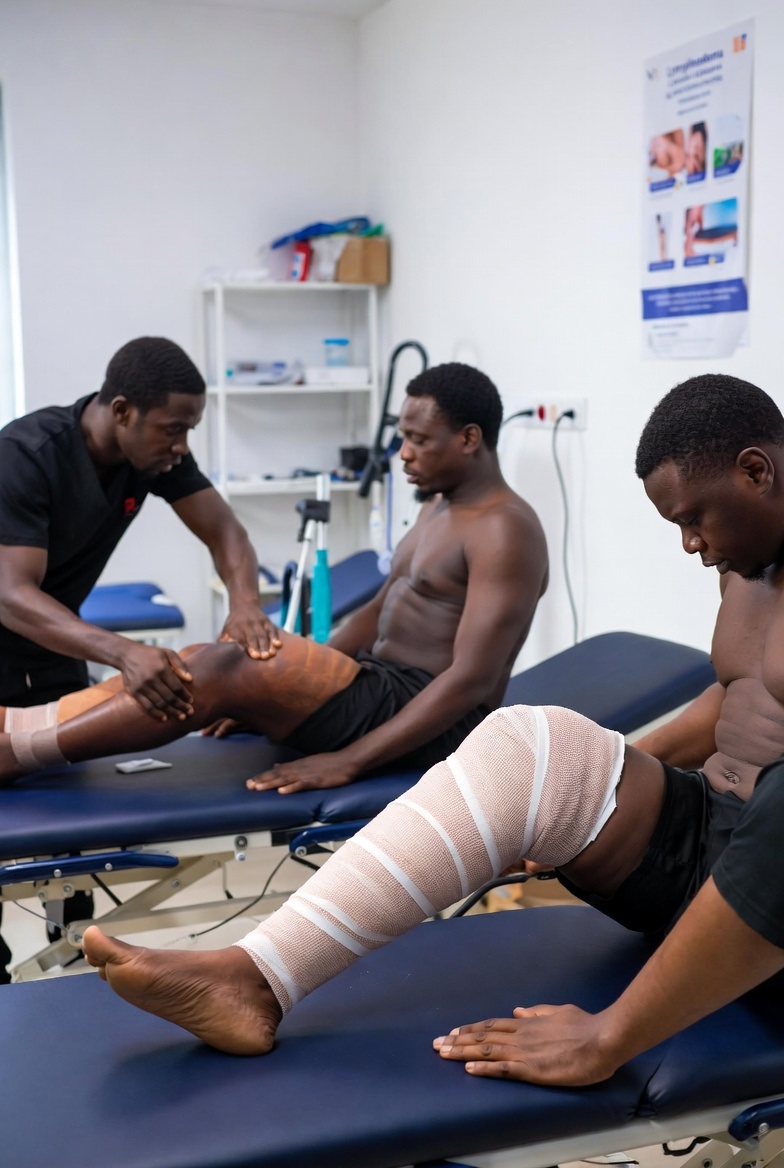
Once the plan is set, we deploy a multi-modal strategy including physiotherapy, neuro-rehabilitation exercises, electrical stimulation, coordination training and support for caregivers and home programmes. We emphasise involvement of family and home environment because long-term success often depends on what happens outside the clinic.
Our clinic in Westlands Nairobi is equipped to support individuals who have mobility challenges. Our therapists specialise in neurological rehabilitation care.
- Technology and Environment
We use technology-enhanced methods including functional electrical stimulation (FES), gait training equipment, hydrotherapy and assistive devices. Research underscores that rehabilitation in Kenya and East Africa benefits when services are adapted to local context and barriers (transport, cost, follow-up). At Mostfit we strive to remove barriers by offering clear guidance, supporting home training, and staying accessible.
Key Therapies We Offer at Mostfit for Paralysis Recovery
Here are some of the principal therapies that make us among the best paralysis therapy services in Nairobi: 
- Physiotherapy and Mobility Training: We work on muscle activation, joint range, functional transfers (bed to chair), walking retraining, balance and gait. Early mobilisation and consistent therapy improve outcomes. For stroke rehabilitation in Kenya, research shows that more frequent sessions lead to better gait improvements.
- Neuro-Rehabilitation Exercises: We use purposeful, task-specific training to stimulate neuroplastic changes. Activities may include reaching, grasping, stepping, coordination drills and mirror training. We design the exercises to replicate real-life tasks so that improvements transfer into everyday activities.
- Electrical Stimulation & Muscle Reactivation: Functional Electrical Stimulation (FES) helps us activate paralyzed or weak muscles, prevent atrophy and retrain motor control. This technology, combined with movement practice, improves circulation, strength and neural recovery. We integrate it during walking, gripping or cycling tasks as needed.
- Balance and Coordination Retraining: Paralysis often affects not just strength but coordination, vestibular balance and spatial awareness. We work on core stability, weight shifting, stepping strategies, balance board training and dynamic movement so patients regain confidence in standing and walking.
- Massage, Soft-Tissue Therapy & Home Exercise Programme: Supporting muscles, reducing spasticity, improving circulation and flexibility are all part of the process. We develop a home exercise programme that you and your caregiver can follow to maintain gains and continue progress outside the clinic. We also emphasise wellness, adaptive training and community integration.
Timeline Expectations
While each person’s path is unique, we typically see early improvements in tone, mobility and independence within the first 4-8 weeks of consistent therapy. Continued progress over 3-6 months is common, with ongoing gains up to 12 months and beyond when home training and follow-up support are maintained.
Why Choose Our Paralysis Therapy Services
 There are several reasons why our paralysis therapy programme is considered among the best in Nairobi, and why you should choose us for your recovery journey:
- Specialised Expertise and Neuro focus: Our team specialises in neurological rehabilitation and stays up to date with international methods.
- Location and Accessibility: Based in Westlands, Nairobi, our clinic is easily reachable and designed to support clients with mobility challenges.
- Personalised, Patient-Centred Care: We treat you as a partner in your recovery. Your goals, home environment and lifestyle are integrated into the plan.
- Technology and Evidence-based Practice: We use advanced modalities such as FES, gait training, hydrotherapy and evidence-based protocols.
- Affordability & Transparency: We believe quality care should be accessible. We offer transparent pricing and flexible payment options.
- Holistic Long-Term Support: Recovery doesn’t end in the clinic. We prepare you for life after therapy, assist with adaptive recreation, community integration and periodic check-ups.
Success Story (Anonymised)
One of our clients, a 45-year-old gentleman who suffered a left-sided stroke, came to us unable to walk without assistance. Over six months in our comprehensive paralysis therapy programme he regained independent walking with a walking aid, regained much of his hand-grip strength and returned to light work activities. His family report he has regained not only movement but confidence and daily independence.
How to Start Your Recovery Journey
We make the first step simple. Here is how you can begin with the best paralysis therapy services in Nairobi:
- Contact us to schedule an initial consultation at Mostfit Physiotherapy Center in Westlands, Nairobi.
- Initial assessment where we evaluate your condition, discuss your goals and explain the rehabilitation plan.
- Begin therapy sessions — we typically recommend 3-5 sessions per week initially, depending on your condition.
- Home exercise programme and caregiver training, so that progress continues beyond the clinic.
- Progress review and adaptation — we regularly review your progress and adjust the plan to maintain momentum.
If you are ready to reclaim mobility and independence, we encourage you to reach out today and discover how our specialized approach can transform your recovery.
The Best Paralysis Therapy Services in Nairobi- Conclusion
Paralysis may feel like a setback, but with the right partner and the right approach it can become the beginning of a new chapter of independence and mobility. At Mostfit Physiotherapy Center we are committed to providing expert paralysis therapy that our clients trust as the best paralysis therapy services in Nairobi — combining specialist care, personalised planning, advanced modalities and long-term support. If you or a loved one are facing the challenge of paralysis, reach out to us today and let us walk with you on the road to recovery. Your journey to greater movement and independence starts now.
Contact Information:
- Phone: 0743217360
- Location: Westlands Nairobi, Ringroad Parklands road inside Kenya Drappers Compound
- Email: info@mostfitphysiocenter.com
- Book online: Contact Us
- Slogan: Your Touch of Care!
The Best Paralysis Therapy Services in Nairobi- Frequently Asked Questions (FAQs)
Q1: What does comprehensive paralysis therapy at Mostfit involve?
A1: Our paralysis therapy services include a full rehabilitation pathway for individuals with paralysis — covering assessment, personalised therapy plan, neuro-rehabilitation exercises, mobility training, electrical stimulation, home exercise support and follow-up care.
Q2: How long does paralysis recovery take at Mostfit?
A2: Recovery varies by individual cause, severity and consistency. Many clients show measurable improvement within the first 4-8 weeks, and significant gains over 3-6 months. Continued improvement up to 12 months is common when therapy and home training are maintained.
Q3: Is neuro-rehabilitation effective after stroke in Kenya?
A3: Yes. Research in Kenya shows that structured rehabilitation improves participation in everyday life after stroke. At Mostfit we apply evidence-based neuro-rehabilitation to help our clients regain function.
Q4: How much does paralysis therapy cost in Nairobi?
A4: Costs vary depending on the number of sessions, therapy modalities needed, and whether assistive devices are required. At Mostfit we offer transparent pricing, flexible payment plans and work with insurance where possible. We believe financial constraints should not delay recovery.
References
- Kingau N.W. “Exploring rehabilitation options and resources of support for stroke survivors in Eldoret, Kenya: qualitative study.” Bulletin of Faculty of Physical Therapy. Accessed November 5 2025. https://doi.org/10.1186/s43161-023-00149-4 – SpringerOpen
- Joseph C., Lijodi B., Titus A., Bezuidenhout L. “Health status and disability in persons with spinal cord injuries in South Africa and Kenya.” Rehabilitation and Developing Health Systems. Accessed November 5 2025. https://doi.org/10.4102/radhs.v1i1.8 – radhs.org
- Kamwesiga J., Bergström A., Bii A., von Koch L., Guidetti S. “Experiences of participation in everyday activities for people with stroke in Nairobi, Kenya.” Top Stroke Rehabil. Accessed November 5 2025. https://doi.org/10.1080/10749357.2022.2070360 – PubMed
- “Care process for stroke patients in Kenya: mixed study.” OAText. Accessed November 5 2025. https://www.oatext.com/care-process-for-stroke-patients-in-kenya-mixed-study.php OAText
- “AfroRehab2030 Project Launches to Strengthen Rehabilitation Workforce in Tanzania and Kenya.” JKUAT. Accessed November 5 2025. https://www.jkuat.ac.ke/afrorehab2030-project-launches-to-strengthen-rehabilitation-workforce-in-tanzania-and-kenya/