The Goals of Physiotherapy Treatment
Introduction
Have you ever struggled with persistent back pain or a knee injury that seemed impossible to heal? I’ve been there, and I know how life-altering such challenges can be. Thankfully, physiotherapy came to my rescue. It’s more than just a treatment; it’s a journey toward reclaiming your independence and living pain-free.
Physiotherapy is a healthcare discipline focused on restoring movement, improving function, and enhancing quality of life. Its approach is holistic, targeting the root causes of pain and mobility issues while offering preventive measures to avoid future injuries. In this blog post, we will explore the goals of physiotherapy treatment, the transformative impact it can have on your well-being, and why seeking professional services, like those offered at Mostfit Physiotherapy Center Clinic in Nairobi, is a step toward a healthier, more active life.
Primary Goals of physiotherapy treatment
 Physiotherapy is not just about treating injuries; it’s a comprehensive healthcare profession focused on restoring movement and function to the body. In this post, we’ll delve into the goals of physiotherapy treatment and how it can make a significant difference in your life.
The primary goals of physiotherapy treatment include pain relief, improved mobility, enhanced functional capacity, faster recovery, and injury prevention. By addressing these aspects, physiotherapy helps individuals regain their quality of life and maintain their independence. Let’s look at each goal individually below:
- Pain Relief
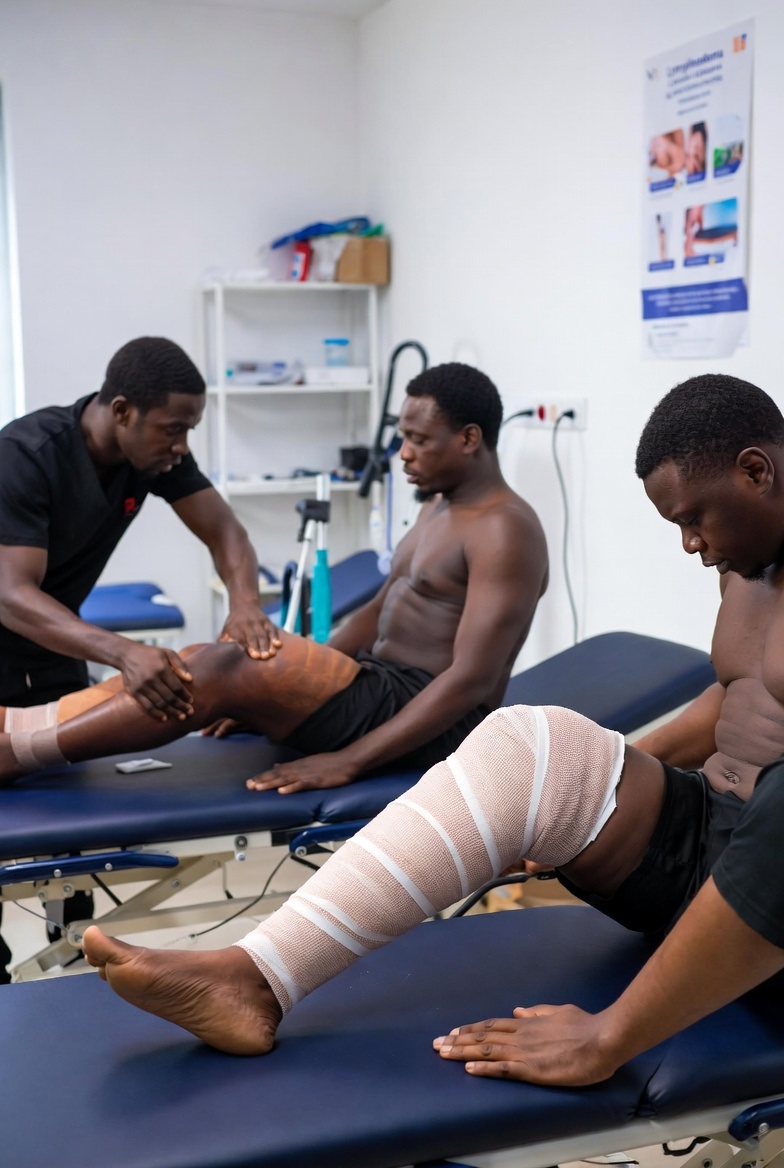
One of the primary goals of physiotherapy treatment is to alleviate pain effectively. Chronic pain can interfere with daily activities, work, and even sleep. Physiotherapists employ a variety of techniques, including manual therapy, which involves hands-on manipulation of muscles and joints to relieve tension. Electrotherapy, such as transcutaneous electrical nerve stimulation (TENS), targets pain pathways to reduce discomfort.
Exercise therapy is another cornerstone of pain management. Tailored to individual needs, it strengthens supporting muscles, promotes blood flow, and addresses the underlying causes of pain. By focusing on these root causes, physiotherapy offers more sustainable relief than temporary fixes like medication.
- Improved Mobility
Loss of mobility can make even the simplest tasks feel like monumental challenges. Physiotherapy focuses on strategies to restore and improve your range of motion and flexibility. Stretching exercises, for instance, can lengthen tight muscles and improve joint function, while strengthening routines target weak muscles that compromise movement.
Manual therapy also plays a key role, helping release muscle tension and improve joint alignment. This holistic approach ensures that you regain not only mobility but also the confidence to move freely and without fear.
- Enhanced Functional Capacity
Physiotherapy is not just about treatment—it’s about empowerment. A key goal is to help patients regain independence in daily activities. Tailored exercise programs are designed to enhance strength, balance, and coordination, which are essential for activities like walking, climbing stairs, or even playing sports.
For individuals with significant physical limitations, assistive devices and adaptive techniques are introduced. These tools and methods make it easier to perform everyday tasks while continuing to build functional capacity.
- Faster Recovery
Physiotherapy accelerates the healing process by using targeted interventions that promote tissue repair and reduce inflammation. For example, cold therapy is effective in minimizing swelling, while ultrasound therapy enhances circulation and encourages tissue regeneration.
Beyond physical interventions, physiotherapists also guide patients in proper movement and posture during recovery, preventing complications that could delay healing. This comprehensive approach ensures a quicker and smoother journey back to health.
- Injury Prevention
A vital but often overlooked goal of physiotherapy is preventing injuries before they happen. Patients are educated on proper body mechanics, posture, and ergonomic practices to reduce strain during daily activities.
Strengthening exercises are also part of the prevention strategy, targeting areas of weakness that could predispose individuals to injury. By addressing these vulnerabilities, physiotherapy not only treats current issues but also helps you stay injury-free in the future.
Specific Physiotherapy Treatment Goals for Different Conditions
- Musculoskeletal Conditions

For musculoskeletal conditions like arthritis or back pain, the goals of physiotherapy treatment include reducing pain and inflammation, improving joint mobility, and strengthening the muscles surrounding affected areas. This helps restore normal function while minimizing the risk of further injuries.
Preventive care is equally important. Physiotherapy programs are tailored to address the unique challenges of each patient, ensuring sustainable relief and improved quality of life.

- Neurological Conditions
Conditions like stroke, Parkinson’s disease, or multiple sclerosis require specialized interventions. Physiotherapy aims to improve motor function and coordination, helping patients regain control over their movements. Enhancing balance and stability is another critical goal, often achieved through targeted exercises and balance training.
Additionally, physiotherapy can assist with secondary complications, such as difficulties in communication or swallowing, using techniques to strengthen the muscles involved.
- Cardiopulmonary Conditions
Physiotherapy isn’t just for muscles and joints; it’s equally beneficial for cardiopulmonary health. For individuals with chronic respiratory conditions like COPD or asthma, physiotherapy aims to improve lung function and breathing efficiency.
Cardiovascular fitness is also addressed through aerobic exercises, enhancing stamina and overall health. These interventions ensure that patients can manage their conditions effectively while enjoying an improved quality of life.
 The goals of physiotherapy treatment: Conclusion
The goals of physiotherapy treatment are multifaceted, from alleviating pain and improving mobility to enhancing functional capacity and preventing future injuries. Whether you’re recovering from an injury, managing a chronic condition, or simply looking to improve your physical well-being, physiotherapy offers a personalized and effective solution.
Choosing the right physiotherapist is essential to achieving these goals. At Mostfit Physiotherapy Center Clinic, we combine expertise, state-of-the-art equipment, and a patient-centered approach to help you reach your health milestones.
Call to Action: Get in touch with us today to book a physiotherapy treatment session at our clinic
Are you ready to take control of your health and achieve your physiotherapy goals? At Mostfit Physiotherapy Center Clinic in Nairobi, we pride ourselves on offering tailored, professional physiotherapy services that deliver real results. Whether you need help recovering from an injury, managing a chronic condition, or improving overall fitness, our experienced team is here for you.
Don’t wait for pain or discomfort to take over your life. Contact Mostfit Physiotherapy Center Clinic today, and let’s start your journey to a healthier, more active you.
Contact us to book your consultation:
Phone: +254 743 217 360
Email: info@mostfitphysiocenter.com
Clinic Location: inside Kenya Drapers compound on Ring Rd Parklands, Nairobi – 100 meters from “The Oval” on your way from Westlands.
We are here to help you enjoy pain and discomfort free life. We are dedicated to helping our clients enjoy pain relief, better mobility, and an improved quality of life.
References
- American Physical Therapy Association
- World Confederation for Physical Therapy
- Mayo Clinic – Physical Therapy