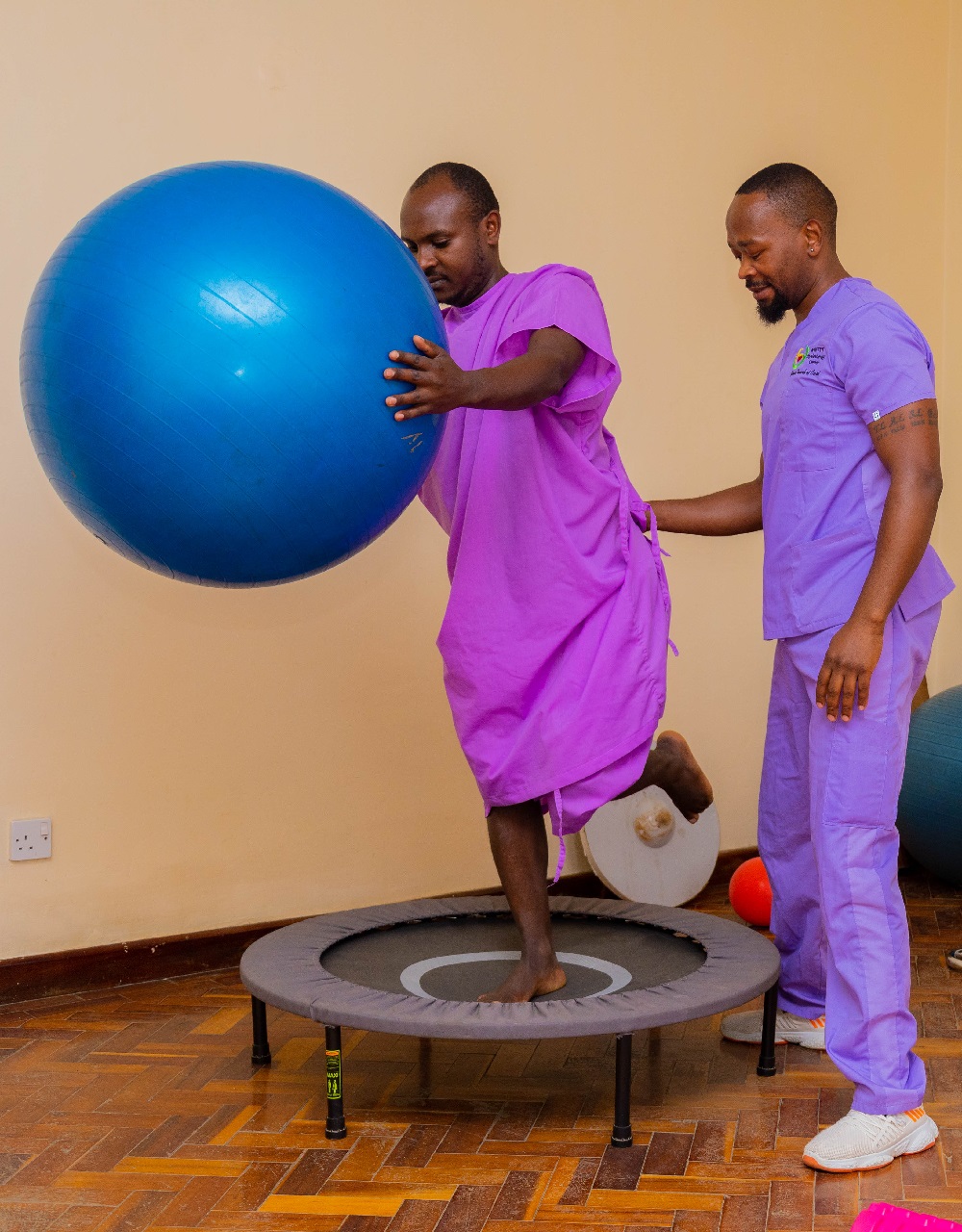
How To Resume Exercising After A Long Term Injury
If you have suffered a long term injury that kept you away from your regular exercise routine, you might be wondering how to get back on track safely and effectively. Resuming exercise after a long term injury can be challenging, but also rewarding. Knowing how to resume exercising after a long term injury is crucial to your full recovery and optimal performance. Here are some tips to help you make a smooth and successful transition.
How To Resume Exercising After A Long Term Injury
- Consult your doctor or physical therapist. Before you start any exercise program, it is important to get clearance from your health care provider. They can assess your current condition, advise you on what types of exercises are suitable for you, and give you specific guidelines on how to progress your intensity and duration. They can also help you set realistic and attainable goals, and monitor your recovery process.
- Start slow and gradually increase your intensity and duration. One of the most common mistakes people make when resuming exercise after a long term injury is doing too much too soon. This can lead to overexertion, pain, inflammation, and re-injury. To avoid this, start with low-impact exercises that are gentle on your joints and muscles, such as walking, swimming, cycling, or yoga. Begin with short sessions of 10 to 15 minutes, and gradually increase your time and intensity as your body adapts. Listen to your body and stop if you feel any pain or discomfort.
- Warm up and cool down properly. Warming up before exercise prepares your body for the activity by increasing blood flow, oxygen delivery, and muscle temperature. This can reduce the risk of injury and improve your performance. Cooling down after exercise helps your body return to its normal state by lowering your heart rate, blood pressure, and body temperature. This can prevent muscle soreness, stiffness, and cramps. A good warm up and cool down should last at least 10 minutes each, and include some light cardio and stretching exercises.
- Rest and recover adequately. Rest is an essential part of any exercise program, especially after a long term injury. Rest allows your body to heal, repair, and adapt to the stress of exercise. It also prevents overtraining, which can impair your immune system, mood, and sleep quality. Aim for at least one rest day per week, and avoid exercising the same muscle groups on consecutive days. You can also use some recovery techniques such as ice, heat, massage, or compression to ease any pain or inflammation.
What to avoid doing to avoid the injury recurring again
Avoid activities that aggravate your injury or cause pain. While some discomfort is normal when resuming exercise after a long term injury, you should avoid any activities that cause sharp or severe pain, swelling, bruising, or numbness. These are signs that you are pushing yourself too hard or doing something wrong. You should also avoid any movements that put excessive stress on your injured area, such as twisting, bending, or lifting heavy weights. If you are unsure about what exercises are safe for you, consult your doctor or physical therapist for guidance.
By following these tips, you can resume exercising after a long term injury in a safe and effective way. Remember to be patient with yourself and celebrate your progress. Resuming exercise after a long term injury can help you improve your physical and mental health, boost your confidence, and enhance your quality of life.