How Do I Know If My Injury Has Healed Enough To Resume Activity?
If you have been injured and have taken some time off from your regular activity, you might be eager to get back to it as soon as possible. However, resuming activity too soon or too intensely can lead to re-injury, pain, and complications. So how do I know if my injury has healed enough to resume activity safely and effectively? Here are some signs that indicate that you are ready to resume activity after an injury.
How Do I Know If My Injury Has Healed Enough To Resume Activity?
- You have no pain or minimal pain. Pain is one of the main indicators of an injury and its severity. If you have no pain or only mild pain that does not interfere with your daily activities, it means that your injury has healed significantly and that you can start to resume activity gradually. However, if you have moderate or severe pain that limits your movement or function, it means that your injury is still healing and that you need to rest more.
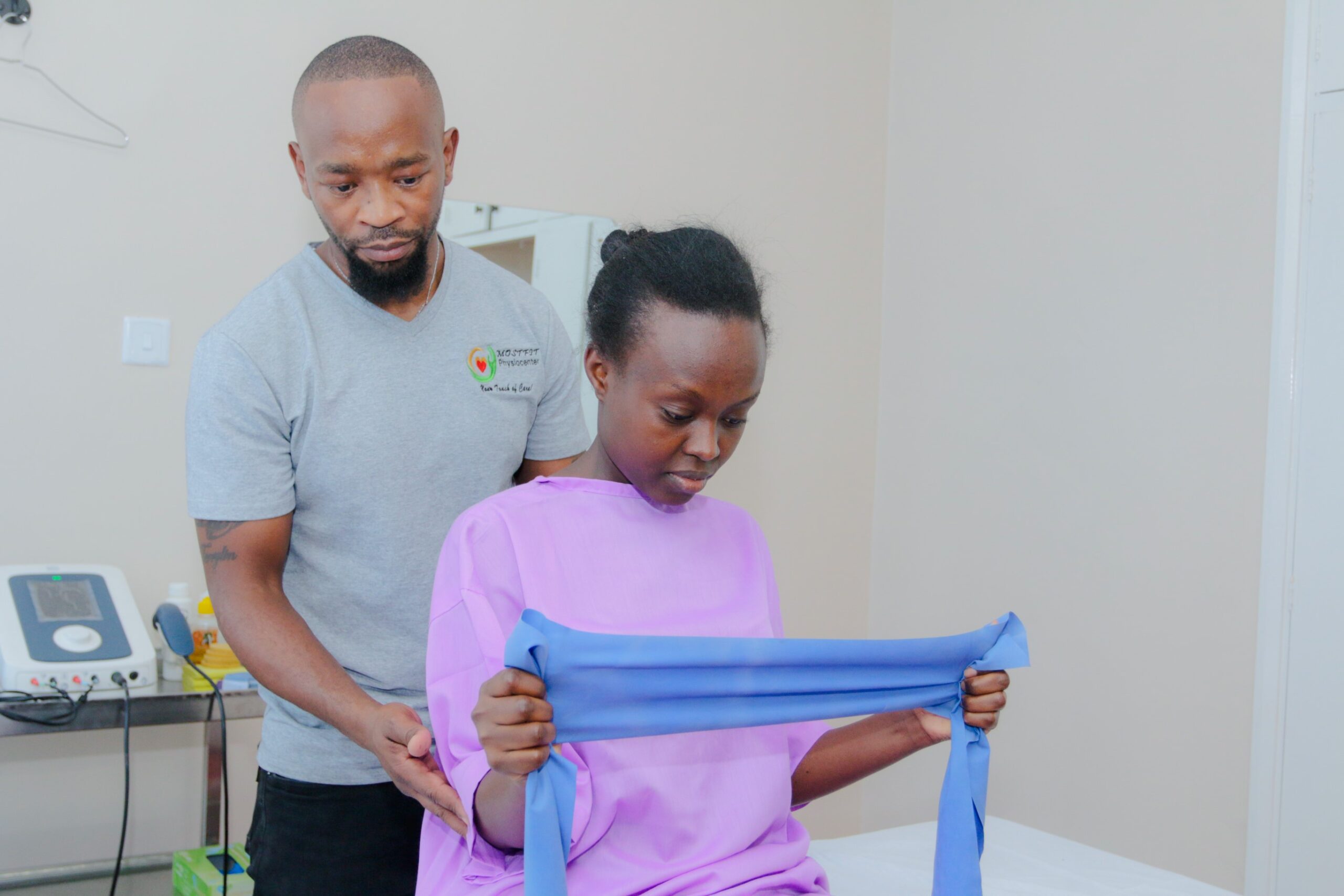
- You have regained your range of motion and strength. Another sign of an injury healing is the restoration of your range of motion and strength in the injured area. If you can move your joint or muscle through its full range of motion without pain or stiffness, it means that your tissue has repaired and that you can resume activity with caution. Similarly, if you can perform some resistance exercises with light weights or bands without pain or weakness, it means that your muscle has regained its strength and that you can resume activity with moderation.
- You have passed a functional test. A functional test is a specific exercise or task that mimics the activity that you want to resume and that challenges your injured area. For example, if you want to resume running after a foot injury, a functional test could be hopping on one foot or jogging for a short distance. If you can pass the functional test without pain, swelling, or instability, it means that your injury has healed enough to resume activity with supervision.
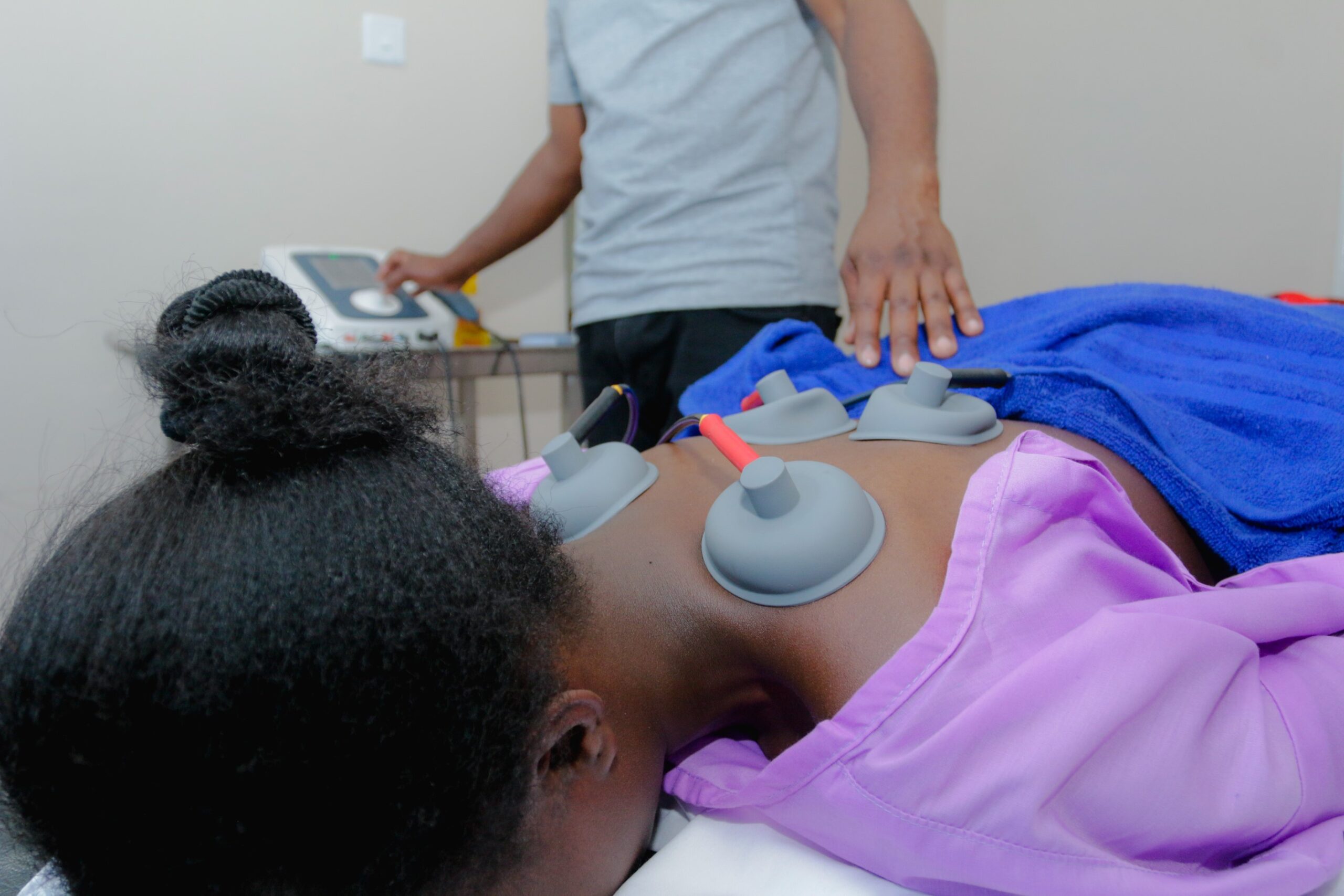
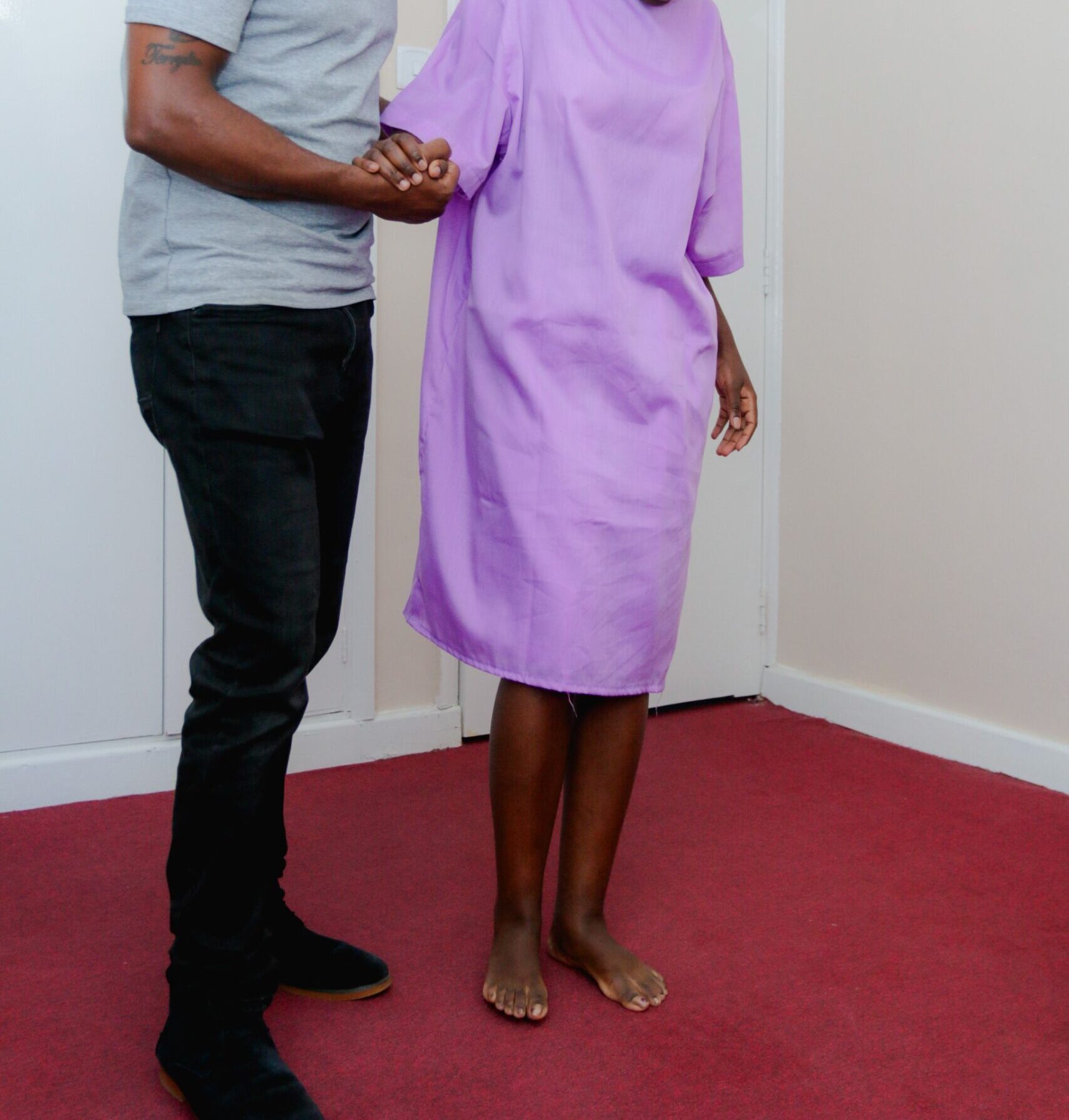
- You have clearance from your doctor or physical therapist. The final and most important sign of an injury healing is the approval of your doctor or physical therapist. They are the experts who can evaluate your condition and progress and give you the green light to resume activity safely and effectively. They can also give you specific instructions on how to progress your activity level, what exercises to do or avoid, and what precautions to take.
By looking for these signs, you can determine if your injury has healed enough to resume activity after an injury. However, remember that every injury is different and that healing takes time and patience. Do not rush your recovery or ignore any pain or discomfort. Resuming activity after an injury can help you improve your physical and mental health, but only if done properly and safely.
How Long Should I Rest After An Injury?
One of the most common questions people have after suffering an injury is how long they should rest before resuming their normal activities. The answer depends on several factors, such as the type, severity, and location of the injury, the individual’s age, health, and fitness level, and the nature of the activity they want to resume. There is no one-size-fits-all rule for rest after an injury, but here are some general guidelines to help you make an informed decision.
- Follow the advice of your doctor or physical therapist. They are the best sources of information on how long you should rest after an injury, as they can evaluate your specific situation and give you personalized recommendations. They can also prescribe you some exercises or treatments to speed up your recovery and prevent complications.
- Listen to your body and pain signals. Pain is your body’s way of telling you that something is wrong and that you need to slow down or stop. If you feel any pain or discomfort when doing an activity, it means that you are not ready for it and that you should rest more. Do not ignore or push through the pain, as this can worsen your injury and delay your healing. Instead, use the RICE method (Rest, Ice, Compression, Elevation) to reduce pain and inflammation.
- Gradually resume your activity level as your pain subsides. As your injury heals and your pain decreases, you can start to increase your activity level gradually and cautiously. Start with low-impact exercises that do not put too much stress on your injured area, such as walking, swimming, cycling, or yoga. Increase your intensity and duration slowly and progressively, and avoid any sudden or jerky movements. If you experience any pain or discomfort during or after the activity, take a break and rest more.
- Avoid activities that aggravate your injury or cause pain. Even if you feel better and have less pain, you should still avoid any activities that put excessive strain on your injured area or cause pain. These activities can re-injure your tissue and undo your progress. For example, if you have a knee injury, you should avoid running, jumping, squatting, or twisting until your doctor or physical therapist clears you for them.
The length of rest after an injury varies from person to person and from case to case. However, by following these guidelines, you can ensure that you rest enough to allow your body to heal properly and safely. Remember to be patient with yourself and do not rush your recovery. Resting after an injury can help you prevent further damage, reduce pain and inflammation, and restore your function and mobility.