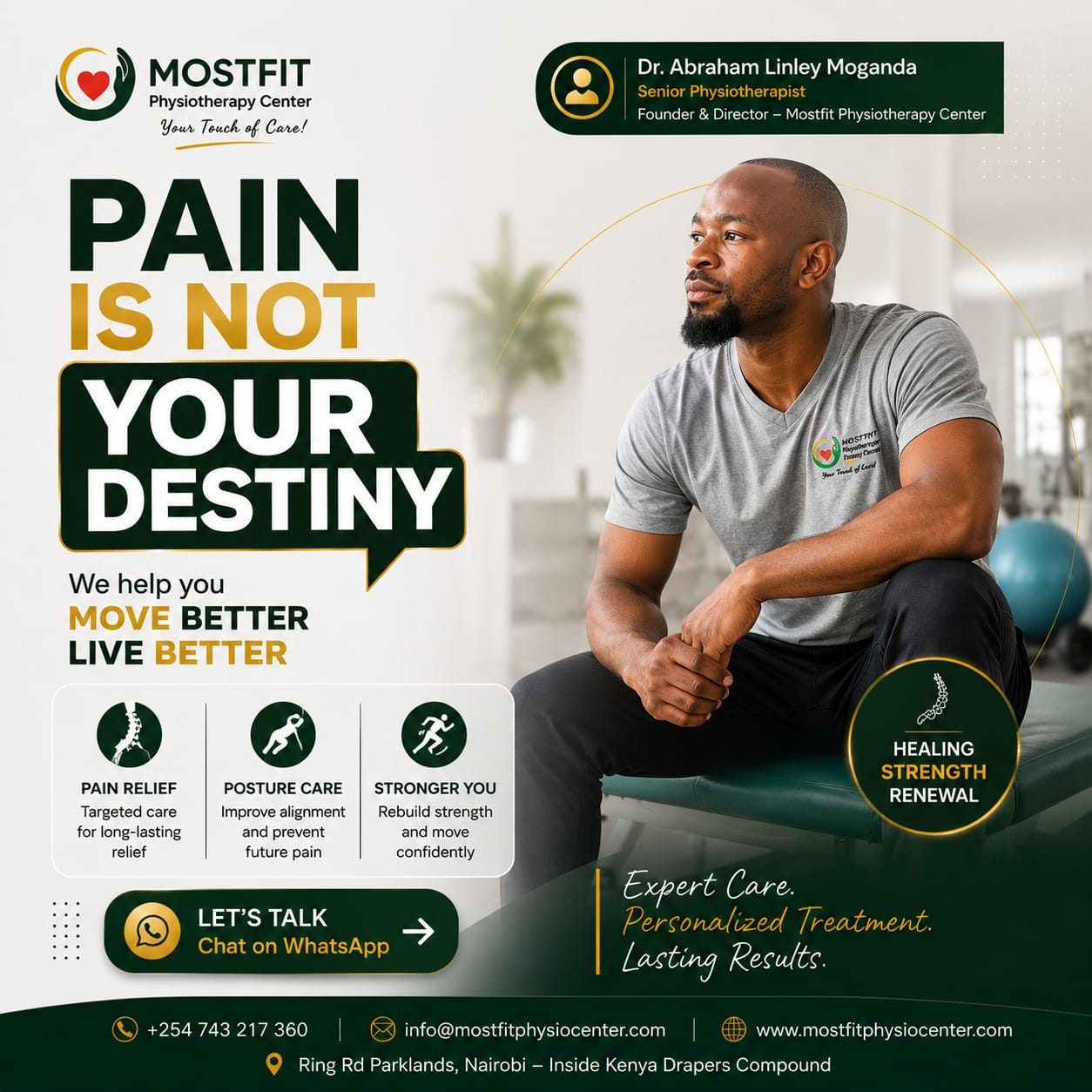
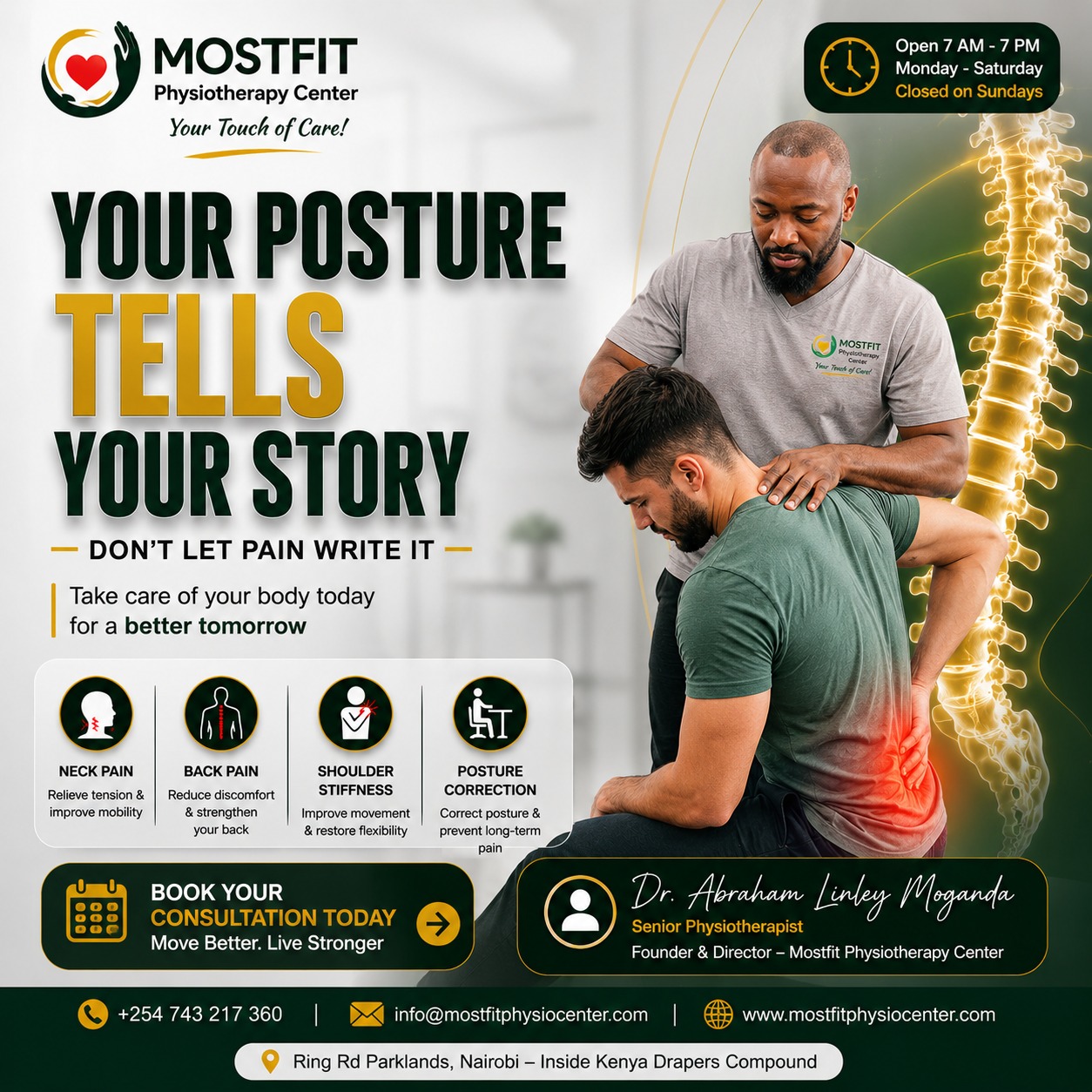
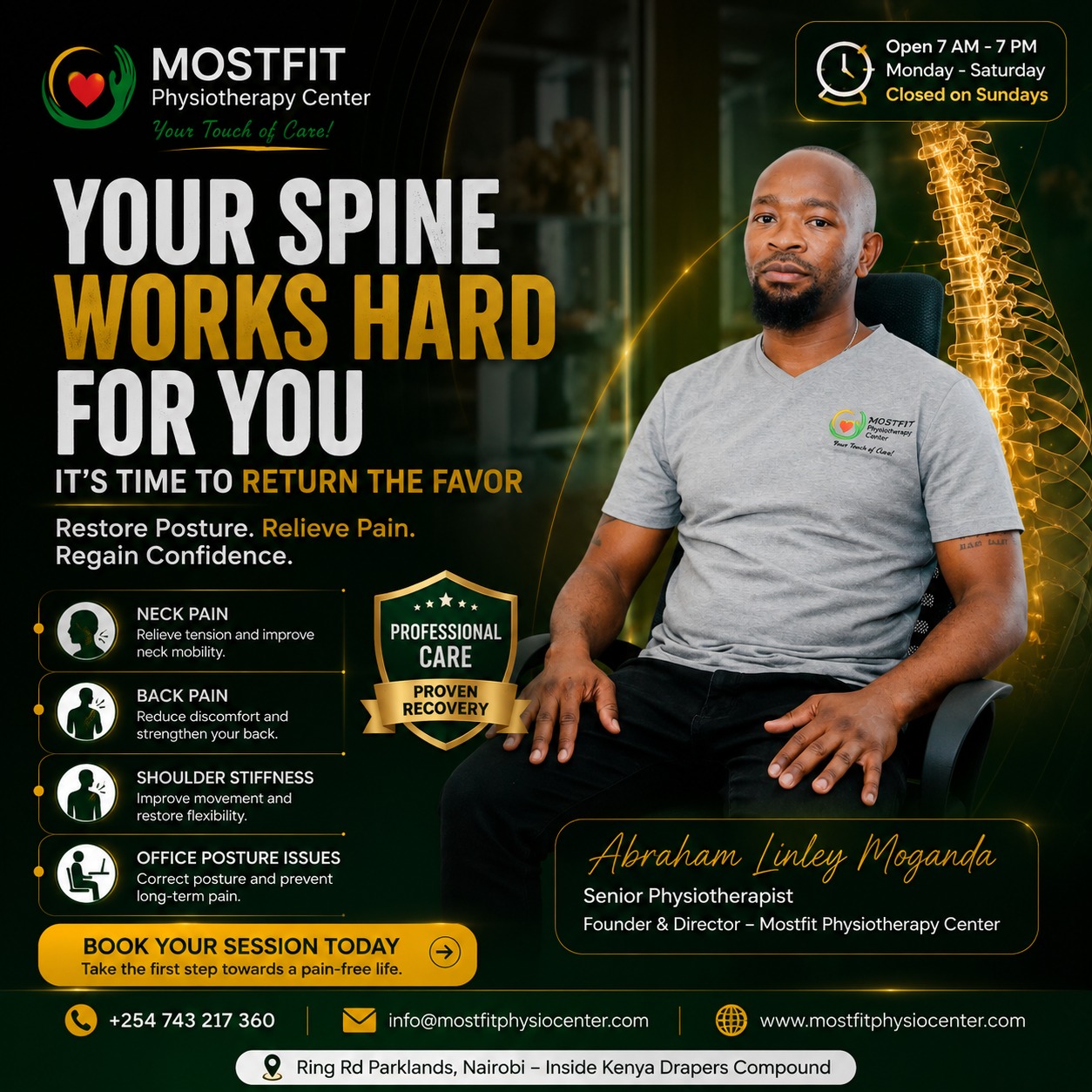
Fix the Cause, Not Just the Pain: Why Lasting Recovery Demands More Than Symptom Relief
Pain is your body’s warning system. It signals that something is wrong. Yet most people reach for painkillers at the first sign of discomfort—sometimes for weeks, months, or even years. While medication can offer temporary relief, it does nothing to resolve the underlying issue. That persistent backache, recurring neck stiffness, or nagging knee pain is often a symptom of a deeper problem that deserves proper attention.
At Mostfit Physiotherapy Center, we do not simply treat where it hurts. We identify why it hurts. This distinction is the foundation of evidence-based physiotherapy and the key to lasting recovery.
The Problem with Masking Pain
Pain relievers are effective at blocking pain signals. But they do not correct muscle imbalances, improve posture, or restore proper movement patterns. When you mask pain without addressing its cause, several things happen:
- The underlying condition worsens over time.
- You become dependent on medication for daily function.
- You lose awareness of movement patterns that are harming you.
- Recovery takes longer when you finally seek proper care.
According to the World Health Organization, low back pain alone affects an estimated 619 million people worldwide and is the leading cause of disability globally. In Kenya, studies among primary school teachers in rural areas have found a 12-month prevalence of low back pain at nearly 65%. These figures are not just statistics—they represent real people whose work, sleep, exercise, and quality of life have been compromised.
What Does It Mean to “Fix the Cause”?
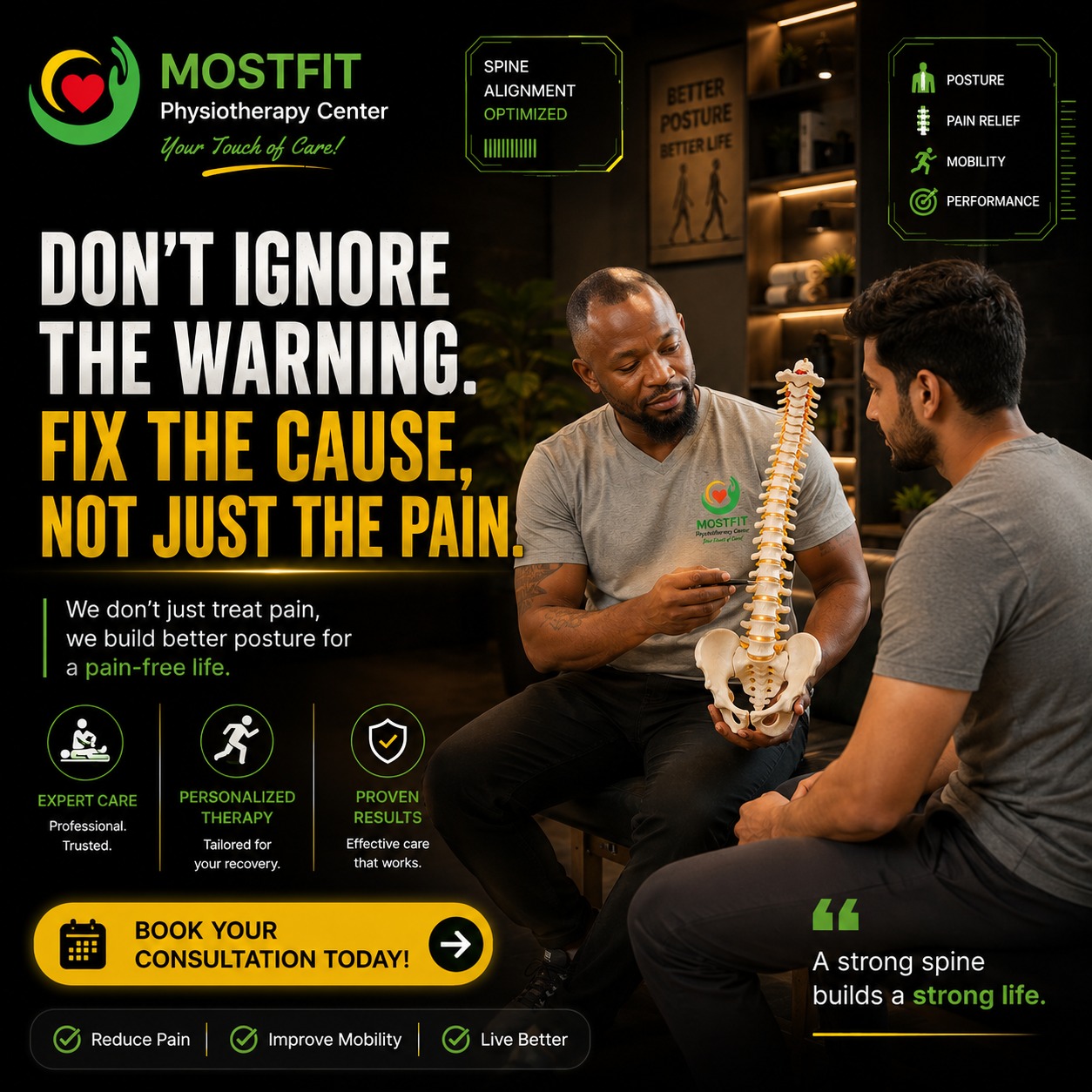 Treating the root cause of pain requires a comprehensive assessment that goes beyond the site of discomfort. Physiotherapists are trained to evaluate the entire musculoskeletal system—not just the painful area. This involves:
- Movement analysis: Observing how you sit, stand, walk, and perform daily activities.
- Postural assessment: Identifying alignment issues that place abnormal stress on joints and muscles.
- Strength and flexibility testing: Pinpointing weaknesses or tightness that contribute to dysfunction.
- Neurological screening: Checking for nerve involvement, such as sciatica or radicular pain.
The goal is to understand the mechanisms driving your pain. As the International Association for the Study of Pain (IASP) explains, a mechanism-based approach allows clinicians to prioritise specific treatments based on the factors that begin, maintain, or modulate pain, rather than relying solely on a general diagnosis.
The Biopsychosocial Model: A Complete Framework
Modern pain science recognises that pain is not purely a physical phenomenon. The biopsychosocial model integrates three interconnected dimensions:
- Biological: Tissue damage, inflammation, nerve irritation, and muscle dysfunction.
- Psychological: Stress, anxiety, depression, fear of movement, and beliefs about pain.
- Social: Work demands, family responsibilities, lifestyle factors, and support systems.
Research confirms that the biopsychosocial approach is increasingly recommended as best practice for physiotherapists managing chronic pain. Unlike the traditional biomedical model, which focuses solely on physical symptoms, this approach empowers patients to manage their pain holistically and achieve better long-term outcomes.
Evidence-Based Physiotherapy Interventions
 When we treat the cause, not just the pain, we draw on interventions with strong scientific support.
- Exercise Therapy
Exercise is one of the most effective tools for addressing the root causes of musculoskeletal pain. A 2025 review in The BMJ found that for chronic low back pain, exercise has a moderate certainty of benefit. Core stability exercises, in particular, have been shown to alleviate pain and improve function in patients with persistent low back pain.
Research also confirms that exercise is a true biological treatment that helps reverse the underlying causes of chronic pain. By strengthening weak muscles, improving flexibility, and restoring normal movement patterns, exercise addresses the mechanical drivers of pain. - Manual Therapy
Hands-on techniques such as joint mobilisation, spinal manipulation, and soft tissue massage can reduce pain and improve mobility. However, guidelines recommend that manual therapy be delivered as part of a comprehensive package that includes exercise. - Pain Neuroscience Education
Understanding why you hurt can reduce fear and anxiety, which are known to amplify pain. Pain neuroscience education helps patients reconceptualise their pain, reducing catastrophising and improving engagement with treatment. - Postural and Ergonomic Advice
Many cases of back, neck, and shoulder pain stem from poor posture and workplace ergonomics. Simple adjustments to how you sit, stand, and move can have a profound impact on recovery and prevention.
Why Choose Mostfit Physiotherapy Center?
In a competitive market like Nairobi, where top hospitals and clinics offer similar services, what sets Mostfit apart is our unwavering commitment to treating the cause, not just the symptoms.
| Feature | Mostfit Physiotherapy Center | Typical Clinic |
| Comprehensive assessment | ✅ Full movement, postural, and neurological evaluation | ❌ Often focuses only on the painful area |
| Personalised treatment plans | ✅ Tailored to your specific mechanisms and goals | ❌ Generic exercise sheets |
| Biopsychosocial approach | ✅ Addresses physical, psychological, and social factors | ❌ Primarily biological focus |
| Evidence-based interventions | ✅ Exercise, manual therapy, and education | ❌ Passive modalities alone |
| Prevention focus | ✅ Long-term strategies to prevent recurrence | ❌ Symptom relief only |
Our team of highly trained physiotherapists brings specialised expertise in neurological rehabilitation, sports injuries, arthritis management, and chronic pain. We are conveniently located inside the Kenya Drapers Compound along Ring Road Parklands, with flexible hours from 7 AM to 7 PM, Monday to Saturday.
Common Conditions We Treat
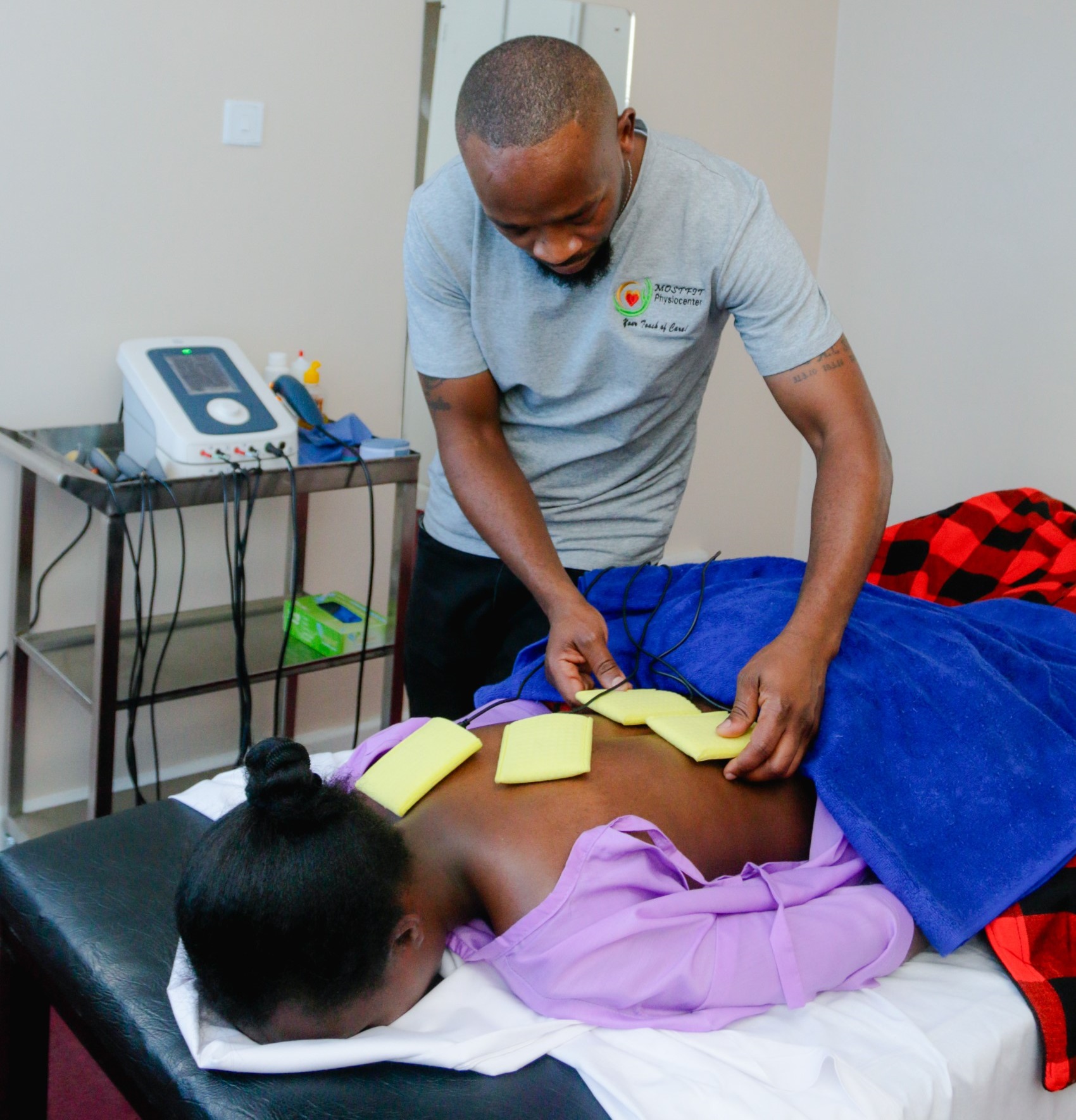 We address a wide range of musculoskeletal conditions by targeting their root causes:
- Back and neck pain: Often related to poor posture, muscle imbalances, or spinal mechanics.
- Shoulder discomfort: May stem from rotator cuff issues, impingement, or referred pain.
- Knee pain: Frequently linked to muscle weakness, alignment problems, or overuse.
- Arthritis: Managed through exercise, manual therapy, and education to maintain function.
- Sports injuries: Rehabilitation that addresses the underlying biomechanical factors.
- Neurological conditions: Stroke, spinal cord injury, and other neurological disorders.
Frequently Asked Questions
- How do I know if my pain is a symptom or the root cause?
Pain is always a symptom. The root cause is the underlying dysfunction—such as muscle weakness, joint stiffness, or poor posture—that produces the pain. A thorough physiotherapy assessment can identify these drivers. - How long does it take to treat the root cause?
Recovery times vary depending on the condition, its severity, and how long it has been present. Most patients notice improvement within a few sessions, but full recovery—and prevention of recurrence—typically requires several weeks of guided rehabilitation. - Do I need a referral from a doctor?
You can book a consultation directly with our physiotherapists. We will conduct a comprehensive assessment and, if necessary, liaise with your doctor regarding any findings. - Is physiotherapy only for injuries?
Not at all. Physiotherapy is equally valuable for chronic conditions, postural issues, and preventive care. Many people visit us to optimise their movement and prevent future problems.
Take the First Step Towards Lasting Recovery
 Your spine supports you every day. Your joints carry you through work, exercise, and time with family. Yet pain often becomes something we learn to “live with”—until it limits what we can do.
At Mostfit Physiotherapy Center, we believe you deserve more than temporary relief. You deserve a clear understanding of what is causing your pain and a personalised plan to address it. Our evidence-based approach restores proper movement, improves posture, strengthens weak muscles, and helps prevent recurring injuries.
Do not wait for the pain to become your normal. Choose recovery. Choose better movement. Choose a healthier life.
📍 Visit us: Ring Road Parklands, Nairobi (Inside Kenya Drapers Compound)
📞 Call or WhatsApp: 0743 217 360
📧 Email: info@mostfitphysiocenter.com
🕐 Hours: 7 AM – 7 PM, Monday – Saturday
Book your consultation today and discover what it feels like to fix the cause, not just the pain.
References
- World Health Organization. Low back pain. WHO. 2023. Available at: https://www.who.int/vietnam/news/fact-sheets/detail/low-back-pain
- World Health Organization. WHO Guideline for non-surgical management of chronic primary low back pain in adults in primary and community care settings. 2023. Available at: https://www.who.int/news-room/events/detail/2023/12/07/default-calendar/who-guideline-for-non-surgical-management-of-chronic-primary-low-back-pain-in-adults-in-primary-and-community-care-settings
- International Association for the Study of Pain. A mechanistic approach to pain management: Applying the biopsychosocial model to physical therapy. IASP. 2026. Available at: https://www.iasp-pain.org/publications/relief-news/article/mechanistic-pain-management-biopsychosocial-model/
- Jones CMP, Underwood M, Basnet R, et al. Management of non-specific low back pain without drugs. BMJ. 2025;391:e086052. Available at: https://www.bmj.com/content/391/bmj-2025-086052
- Core stability exercises with conventional therapy versus conventional therapy in the management of chronic non-specific low back pain: A randomized controlled trial. PTJ. 2026. Available at: https://ptj.uswr.ac.ir/article-1-728-en.html
- Journal of Orthopaedic & Sports Physical Therapy. The Worst Pain Is an Unexplained Pain. J Orthop Sports Phys Ther. 2025;55(5):307-311. Available at: https://www.jospt.org/doi/abs/10.2519/jospt.2025.13167
- Implementation outcomes of a biopsychosocial model pain. Journal of Education and Health Promotion. 2025. Available at: https://journals.lww.com/jehp/fulltext/2025/11280/implementation_outcomes_of_a_biopsychosocial_model.493.aspx
- Low back pain among primary school teachers in Rural Kenya: Prevalence and contributing factors. SciELO. Available at: https://scielo.org.za/scielo.php?script=sci_arttext&pid=S2071-29362019000100011