Move Freely Without Pain: Evidence-Based Physiotherapy for Lasting Recovery at Mostfit
What Does It Mean to Move Freely Without Pain?
Movement is central to health. The World Physiotherapy organisation defines physiotherapy as services that “develop, maintain and restore maximum movement and functional ability throughout the lifespan”. When injury, illness, or chronic pain threatens this capacity, expert intervention can make the difference between limitation and freedom.
To move freely without pain means more than the absence of discomfort. It means regaining the confidence to perform daily activities, return to work, enjoy sport, and participate fully in life. Physiotherapists help people “maximise their quality of life, looking at physical, psychological, emotional and social wellbeing”.
Why Evidence-Based Physiotherapy Matters for Pain Relief
The Science Behind Physiotherapy Treatment
 High-quality evidence demonstrates that exercise therapy—a core component of physiotherapy—reduces pain and improves function for conditions including back pain, fibromyalgia, and osteoarthritis. These improvements are sustained for at least two to six months after treatment.
The CDC recognises that “many noninvasive nonpharmacologic approaches, including physical therapy, weight loss for knee osteoarthritis, and behavioural therapies, can improve pain and function without risk for serious harms”. This positions physiotherapy as a first-line intervention rather than a last resort.
Physiotherapists are qualified to undertake comprehensive assessment, formulate diagnosis and prognosis, implement treatment programmes, and make recommendations for self-management. This breadth of expertise ensures that treatment addresses the root cause, not just the symptom.
What Conditions Can Physiotherapy Help With? 
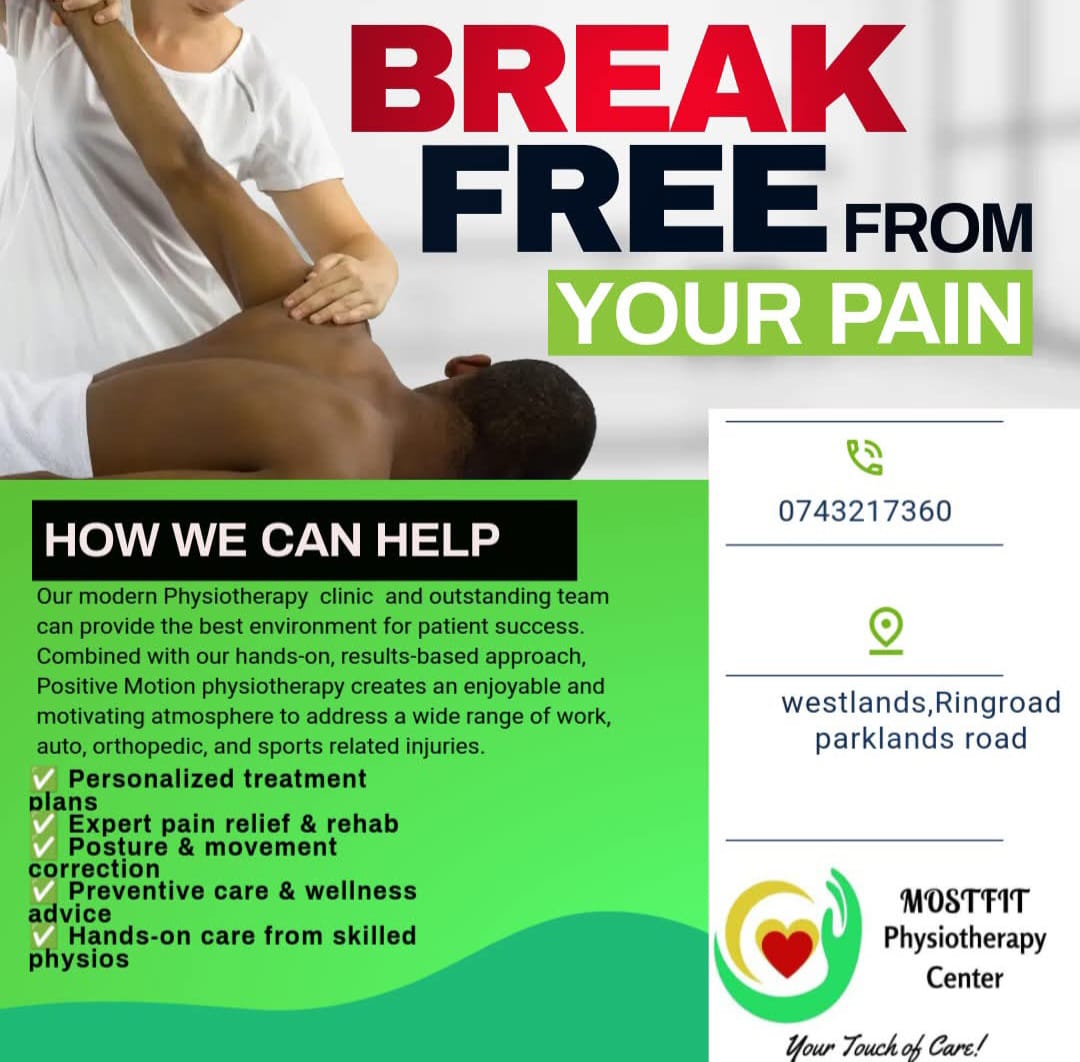
Physiotherapy addresses a wide spectrum of conditions:
- Musculoskeletal issues: back pain, joint injuries, arthritis
- Sports injuries: sprains, strains, tendonitis, ligament damage
- Post-surgical rehabilitation: recovery following orthopaedic procedures
- Neurological conditions: stroke rehabilitation, balance disorders
- Chronic pain: persistent pain conditions requiring multimodal management
- Work-related injuries: strains from manual handling or repetitive tasks
The Physiotherapy Landscape in Kenya
Access to Rehabilitation Services
Kenya has made significant progress in rehabilitation services. A disability inclusion assessment report found that 73.2 percent of counties provide some form of rehabilitation services, with physiotherapy universally available in counties offering such care. However, only 13 counties offer the full spectrum of rehabilitation care.
The Kenya Physical Therapy Services Market is experiencing steady growth, driven by increased awareness of physical therapy in rehabilitation and injury prevention, a growing elderly population, rising prevalence of chronic diseases, and an active sports culture.
Professional Standards and Regulation
Physiotherapists practising in Kenya must be registered and licensed by the Physiotherapy Council of Kenya under the Physiotherapist Act No. 20 of 2014. The Kenya Society of Physiotherapists has been a member of World Physiotherapy since 1982, aligning local practice with international standards.
The Burden of Pain in Kenya

Research from Kenyan institutions reveals the scale of the challenge. A study at Mbagathi Sub-County Hospital found that 72.7 percent of patients suffered from somatic low back pain, with 55.7 percent reporting moderate pain and 44.3 percent reporting severe pain. Among primary school teachers in rural Western Kenya, the 12-month prevalence of low back pain was 64.98 percent. Among bank employees in Nairobi, low back pain is a significant occupational health concern.
These figures underscore the urgent need for accessible, high-quality physiotherapy services across Kenya.
How Physiotherapy Helps You Move Freely Without Pain
Personalised Assessment and Treatment Planning
Every recovery journey begins with understanding the individual. Physiotherapists examine movement potential, assess limitations, and agree on goals collaboratively with patients. This patient-centred approach ensures that treatment plans are realistic, meaningful, and tailored to each person’s circumstances.
Core Physiotherapy Interventions
Physiotherapy employs a range of evidence-based techniques:
- Exercise therapy: structured programmes to improve mobility, flexibility, and strength
- Manual therapy: hands-on techniques including joint mobilisation and soft tissue massage
- Electrotherapy: electrical stimulation to reduce pain and accelerate tissue repair
- Heat and cold therapy: applications to reduce inflammation and relieve pain
- Education and self-management: teaching patients to manage their condition independently
The Rehabilitation Journey
Recovery typically progresses through stages. The initial focus is on restoring pain-free movement and rebuilding joint range of motion. Subsequent stages address strength, balance, and functional capacity, preparing patients to return to their desired activities safely.
Why Choose Expert Physiotherapy in Nairobi at Mostfit
Nairobi hosts a competitive physiotherapy sector, with top hospitals and specialist clinics offering services. In this environment, expertise and personalised care distinguish exceptional providers.
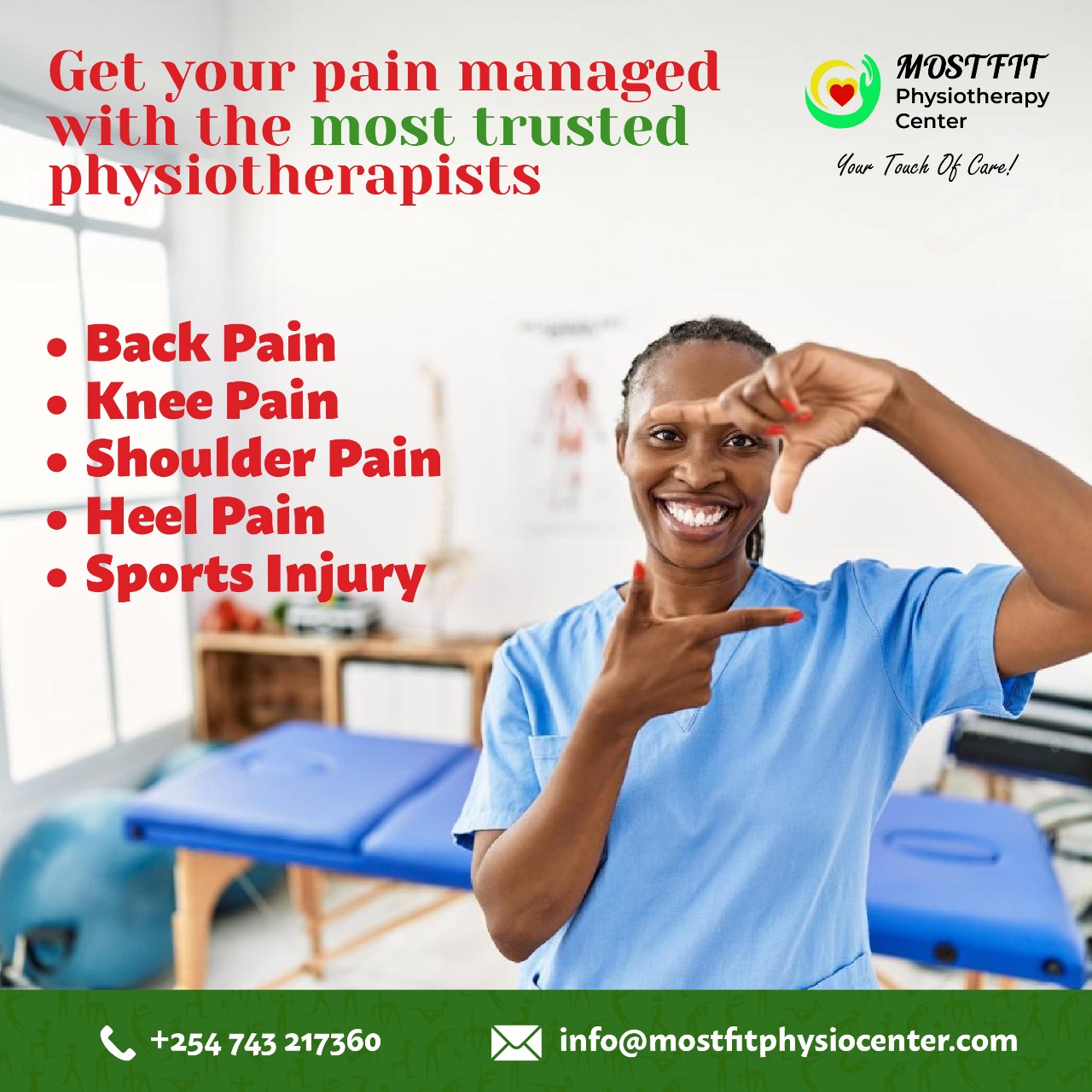
At Mostfit Physiotherapy Center, we take time to assess each patient’s condition thoroughly, understand their goals, and develop a personalised rehabilitation plan. Our approach is grounded in the principles of patient-centred care endorsed by World Physiotherapy.
We treat:
- Sports injuries requiring specialised rehabilitation
- Post-surgical recovery following orthopaedic procedures
- Work-related injuries and strains
- Chronic pain conditions including arthritis
- Mobility limitations affecting daily life
What Sets Mostfit Expert Care Apart
Expert physiotherapy goes beyond exercises. It involves:
- Comprehensive assessment of movement patterns
- Identification of underlying causes, not just symptoms
- Evidence-based intervention selection
- Ongoing evaluation and adjustment of treatment
- Education for long-term self-management
- Collaboration with other healthcare professionals when needed
Physiotherapists operate as independent practitioners and patients may seek direct services without referral. This direct access means you can begin your recovery without unnecessary delays.
Taking the Next Step Towards Pain-Free Movement
The decision to seek physiotherapy is a decision to invest in your quality of life. Whether you have been living with persistent pain, suffered a recent injury, or undergone surgery, expert rehabilitation can help you restore strength, improve mobility, and regain confidence in your body.
Research consistently shows that active approaches—those that engage the patient in their own recovery—produce more sustained improvements than passive treatments alone. Your physiotherapist will work with you as a partner in your recovery, not simply as a provider of treatment.
What to Expect When You Visit
When you attend a physiotherapy consultation, you can expect:
- A thorough discussion of your medical history and current concerns
- Physical assessment of movement, strength, and function
- Clear explanation of findings and recommended treatment options
- A personalised treatment plan with realistic goals
- Practical advice for self-management between sessions
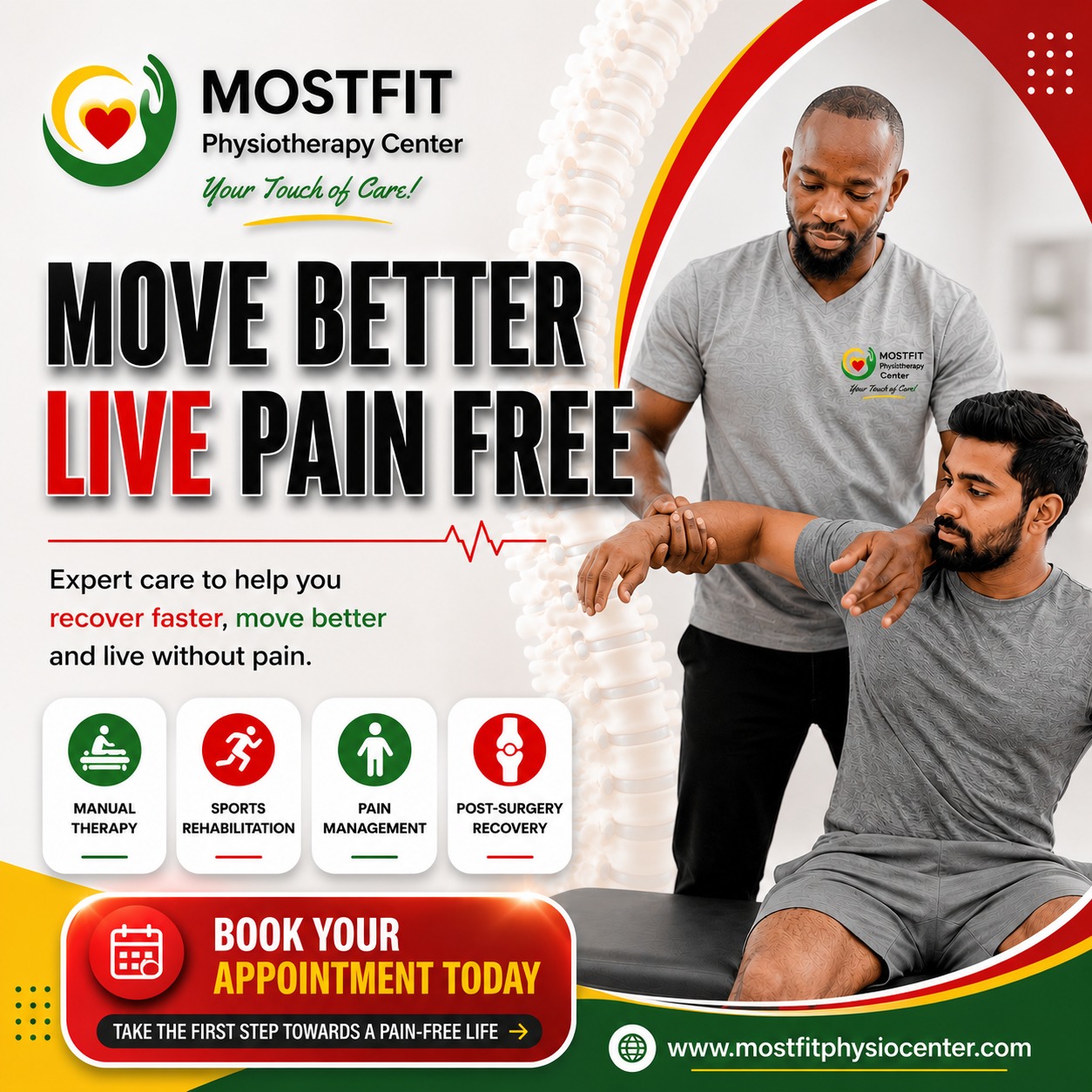
Move Better. Live Pain Free.
 Pain and mobility limitations should not define your life. With expert physiotherapy, you can move freely without pain—whether that means playing football without fear of injury, carrying your child without back pain, working a full day comfortably, or simply enjoying life without constantly thinking about your joints or muscles.
Recovery is not about getting back to where you were. It is about becoming stronger, more resilient, and more confident in your body’s capabilities.
- 📍 Visit us at Ring Road Parklands, Nairobi (Inside Kenya Drapers Compound)
- 📞 Call or WhatsApp 0743 217 360 to book your appointment
References
- World Physiotherapy. Policy statement: Description of physiotherapy. London: World Physiotherapy; 2023. Available from: https://world.physio/policy/ps-descriptionPT
- World Physiotherapy. What is physiotherapy? Available from: https://www.world.physio/resources/what-is-physiotherapy
- CDC. CDC Clinical Practice Guideline for Prescribing Opioids for Pain — United States, 2022. MMWR Recomm Rep. 2022;71(No. RR-3):1-95. Available from: https://www.cdc.gov/mmwr/volumes/71/rr/rr7103a1.htm
- Mostfit Physiotherapy Center. Difference Between Physiotherapy and Physical Therapy. Available from: https://mostfitphysiocenter.com/difference-between-physiotherapy-and-physical-therapy/
- Business Daily. Counties make strides in disability healthcare access, but gaps still remain. 2025. Available from: https://www.businessdailyafrica.com/bd/corporate/health/counties-make-strides-in-disability-healthcare-access-but-gaps-still-remain-5292142
- Physiotherapy Council of Kenya. Registration and Licensing of Physiotherapists. Available from: https://pck.go.ke
- Kenya Society of Physiotherapists. World Physiotherapy member profile. Available from: https://www.world.physio
- 6W Research. Kenya Physical Therapy Services Market (2025-2031). Available from: https://www.6wresearch.com
- KEMRI Repository. Socio-Demographic Factors and Levels of Pain and Disability in Patients with Somatic and Neurogenic Low Back Pain at Mbagathi Sub-County Hospital. 2024. Available from: https://repository.kemri.go.ke
- PHCFM. Prevalence of low back pain among primary school teachers in rural Western Kenya. Available from: https://phcfm.org
This article is for informational purposes and does not constitute medical advice. Always consult a qualified physiotherapist for assessment and treatment of your specific condition.