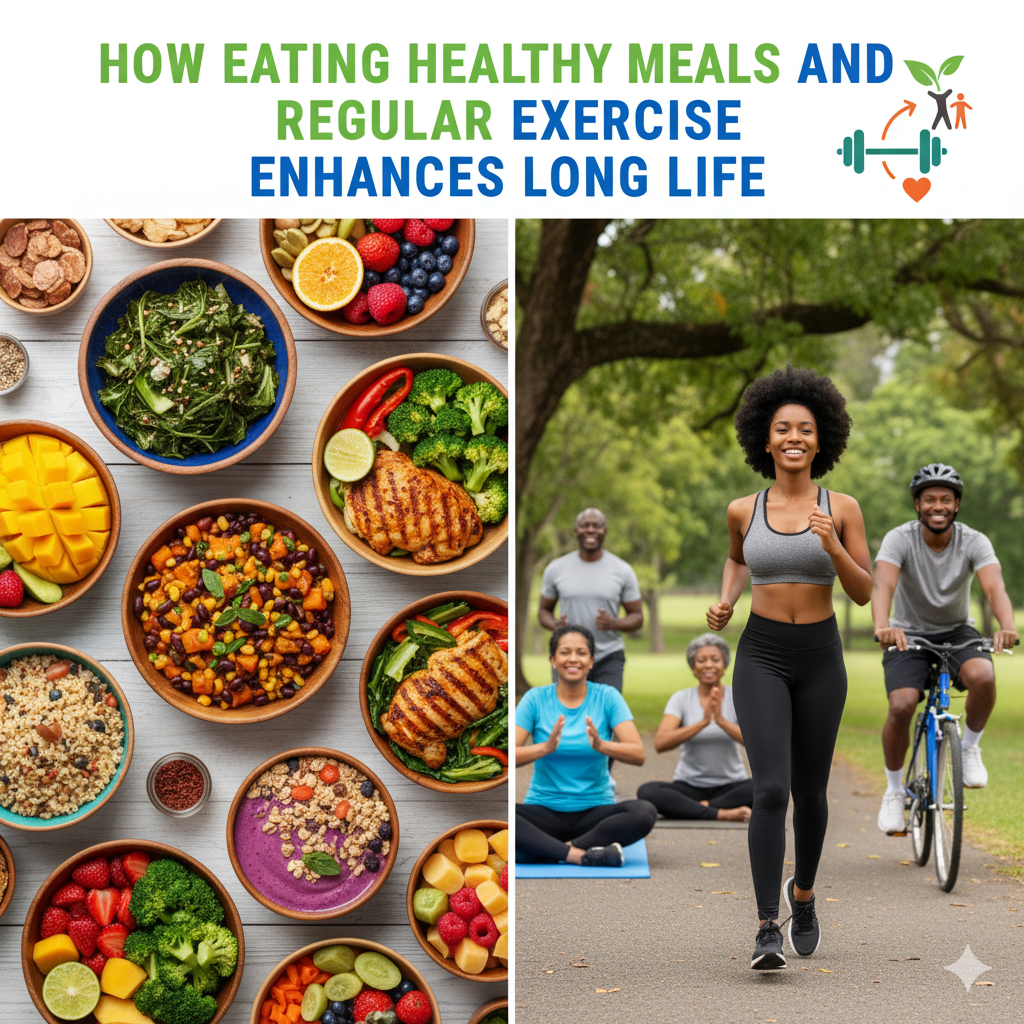
How Eating Healthy Meals and Having Regular Exercise Enhances Long Life: The Science-Backed Path to Longevity
Introduction
Living a long, healthy life isn’t just about good genetics – it’s about making informed lifestyle choices that compound over decades. The relationship between nutrition, physical activity, and longevity has been extensively studied by researchers worldwide, revealing powerful insights into how our daily habits shape our lifespan. Understanding how eating healthy meals and having regular exercise enhances long life empowers us to make decisions that can add not just years to our life, but life to our years.
Recent studies from Harvard School of Public Health and other leading institutions demonstrate that individuals who maintain healthy eating patterns and engage in regular physical activity can increase their life expectancy by up to 14 years compared to those with poor lifestyle habits. This isn’t merely correlation – the mechanisms by which nutrition and exercise influence aging are now well understood at the cellular and molecular level.
Also read: 7 Important Tips for Keeping Fit and Staying Healthy
How Eating Healthy Meals and Having Regular Exercise Enhances Long Life
The Scientific Foundation: How Healthy Living Extends Life
- Cellular Mechanisms of Aging and Longevity
 At the cellular level, healthy eating and regular exercise work synergistically to combat the primary drivers of aging. Oxidative stress, chronic inflammation, and cellular damage accumulate over time, leading to age-related diseases and shortened lifespan. However, proper nutrition provides antioxidants and anti-inflammatory compounds that neutralize harmful free radicals, while exercise stimulates cellular repair mechanisms and promotes the production of protective proteins.
Research published in the Journal of the American Medical Association shows that individuals who follow healthy dietary patterns experience slower telomere shortening – a key biomarker of cellular aging. Telomeres are protective caps on chromosomes that naturally shorten as we age, but healthy lifestyle choices can slow this process significantly.
Exercise enhances longevity through multiple pathways, including improved cardiovascular function, enhanced insulin sensitivity, stronger immune system response, and increased production of brain-derived neurotrophic factor (BDNF), which supports cognitive health throughout aging.
- The Inflammation Connection
Chronic inflammation, often called “inflammaging,” is a primary driver of age-related diseases including heart disease, diabetes, cancer, and neurodegenerative conditions. Healthy meals rich in anti-inflammatory nutrients and regular physical activity both serve as powerful anti-inflammatory interventions.
Foods high in omega-3 fatty acids, polyphenols, and fiber help reduce inflammatory markers in the blood, while exercise modulates immune system function and reduces chronic inflammation levels. This dual approach creates a protective environment that supports healthy aging at the cellular level.
How Eating Healthy Meals and Having Regular Exercise Enhances Long Life: Nutritional Strategies for Longevity
 The Power of Whole Foods
 The Power of Whole Foods
Centenarians in Blue Zones – regions with the highest concentrations of people living over 100 – share common dietary patterns emphasizing whole, minimally processed foods. These populations consume abundant vegetables, fruits, legumes, whole grains, nuts, and seeds while limiting refined sugars, processed meats, and excessive animal products.
The Mediterranean diet, extensively studied for its longevity benefits, exemplifies how eating healthy meals enhances long life. This eating pattern emphasizes olive oil, fish, vegetables, fruits, whole grains, and moderate wine consumption, providing a perfect balance of nutrients that support cardiovascular health, cognitive function, and disease prevention.
Key Nutrients for Healthy Aging
- Antioxidant-Rich Foods: Berries, dark leafy greens, colorful vegetables, and green tea provide compounds that protect cells from oxidative damage. These foods contain vitamins C and E, beta-carotene, and polyphenols that neutralize free radicals and support cellular health.
- Omega-3 Fatty Acids: Found in fatty fish, walnuts, flaxseeds, and chia seeds, these essential fats reduce inflammation, support brain health, and protect against heart disease. Studies show that higher omega-3 levels are associated with longer telomeres and reduced risk of age-related cognitive decline.
- Fiber-Rich Foods: Whole grains, legumes, vegetables, and fruits provide fiber that supports digestive health, helps regulate blood sugar, and feeds beneficial gut bacteria. A healthy gut microbiome is increasingly recognized as crucial for longevity and disease prevention.
- Plant Proteins: Legumes, nuts, seeds, and whole grains provide high-quality protein along with additional nutrients and fiber. Research indicates that replacing some animal protein with plant protein sources is associated with reduced mortality risk.
Meal Timing and Longevity:
Emerging research on intermittent fasting and caloric restriction shows that when we eat may be as important as what we eat. Time-restricted eating patterns can improve insulin sensitivity, enhance cellular repair processes, and extend lifespan in animal studies. However, any dietary changes should be implemented gradually and ideally under professional guidance.
Also read: How Post-Fracture Rehabilitation and Therapy Benefits Patients
How Eating Healthy Meals and Having Regular Exercise Enhances Long Life:
Exercise as Medicine: The Longevity Prescription


- Cardiovascular Benefits of Regular Exercise:
Regular physical activity strengthens the heart muscle, improves circulation, and reduces blood pressure – all critical factors for longevity. The Framingham Heart Study, which has followed participants for over 70 years, demonstrates that individuals who maintain regular exercise habits throughout life have significantly lower rates of cardiovascular disease and longer life expectancy.
Exercise improves the efficiency of oxygen delivery throughout the body, enhances the function of blood vessels, and helps maintain healthy cholesterol levels. These cardiovascular improvements translate directly into reduced risk of heart attack, stroke, and other life-threatening conditions. - Strength Training and Muscle Preservation:
Sarcopenia, the age-related loss of muscle mass and strength, significantly impacts quality of life and longevity in older adults. Resistance training and strength exercises are essential for maintaining muscle mass, bone density, and functional independence as we age.
Studies show that older adults who engage in regular strength training have lower mortality rates and maintain better physical function compared to their sedentary peers. Building and maintaining muscle mass also improves metabolism, helps regulate blood sugar, and supports overall vitality throughout the aging process.
- Brain Health and Cognitive Longevity:
Physical exercise is one of the most powerful interventions for maintaining cognitive health and preventing age-related mental decline. Regular aerobic exercise increases blood flow to the brain, stimulates the growth of new brain cells, and enhances connections between neurons.
Research from Columbia University shows that individuals who maintain high levels of physical activity throughout middle age have significantly lower rates of dementia and cognitive decline in later years. Exercise also improves mood, reduces stress hormones, and supports better sleep quality – all factors that contribute to healthy brain aging.
How Eating Healthy Meals and Having Regular Exercise Enhances Long Life:
The Synergistic Effect: Nutrition and Exercise Working Together
- Enhanced Nutrient Utilization
Regular exercise improves the body’s ability to utilize nutrients from healthy foods. Physical activity enhances insulin sensitivity, allowing cells to more effectively absorb glucose and other nutrients. This improved metabolic efficiency helps prevent diabetes, supports energy production, and reduces the risk of metabolic syndrome. - Exercise also increases circulation, ensuring that nutrients from healthy meals are efficiently delivered to tissues throughout the body. This enhanced nutrient transport supports cellular repair, immune function, and overall vitality.
- Stress Reduction and Hormonal Balance
Both healthy eating and regular exercise help regulate stress hormones and support healthy aging at the hormonal level. Chronic stress accelerates aging through elevated cortisol levels, but regular physical activity and nutrient-dense foods help maintain hormonal balance.
Exercise releases endorphins and other mood-enhancing chemicals while reducing stress hormones. Similarly, foods rich in magnesium, B vitamins, and omega-3 fatty acids support healthy stress response and hormone production.
How Eating Healthy Meals and Having Regular Exercise Enhances Long Life: Practical Implementation Strategies
 Building Sustainable Eating Habits
 Building Sustainable Eating Habits
- Start with Small Changes: Begin by adding one serving of vegetables to each meal, choosing whole grain options when available, and replacing sugary beverages with water or herbal tea.
- Meal Planning and Preparation: Dedicate time each week to planning and preparing healthy meals. This reduces reliance on processed foods and ensures consistent access to nutritious options.
- Mindful Eating Practices: Pay attention to hunger and satiety cues, eat slowly, and focus on the sensory experience of meals. This approach naturally leads to better portion control and improved digestion.
- Creating an Effective Exercise Routine
- Aerobic Foundation: Aim for at least 150 minutes of moderate-intensity aerobic activity per week, as recommended by health organizations worldwide. This can include brisk walking, swimming, cycling, or dancing.
- Strength Training: Incorporate resistance exercises at least twice per week, targeting all major muscle groups. This can be achieved through weightlifting, resistance bands, bodyweight exercises, or functional movements.
- Flexibility and Balance: Include stretching, yoga, or tai chi to maintain flexibility, balance, and joint health. These activities become increasingly important for injury prevention and functional independence as we age.
Overcoming Common Barriers
- Time Constraints: Focus on efficient workouts and simple, nutritious meals that can be prepared quickly. High-intensity interval training (HIIT) provides significant benefits in shorter time periods.
- Budget Concerns: Emphasize affordable whole foods like beans, lentils, seasonal vegetables, and frozen fruits. Many effective exercises require no equipment and can be done at home.
- Social Support: Involve family and friends in healthy lifestyle changes. Social connections and support significantly improve adherence to healthy habits and contribute independently to longevity.
Also read: What Are The Best Practices For Combining Exercise With Training?
How Eating Healthy Meals and Having Regular Exercise Enhances Long Life: The Economic and Social Benefits of Healthy Aging
- Healthcare Cost Reduction
Individuals who maintain healthy eating and exercise habits throughout life require significantly less medical intervention and have lower healthcare costs. Prevention of chronic diseases through lifestyle choices is far more cost-effective than treatment of established conditions. - Quality of Life Improvements
Healthy aging isn’t just about living longer – it’s about maintaining independence, cognitive function, and physical capabilities that enable continued engagement in meaningful activities. The combination of proper nutrition and regular exercise preserves the quality of life that makes longevity truly valuable. - Community Impact
Healthy older adults contribute more actively to their communities, provide valuable mentorship and wisdom, and place less burden on healthcare systems and caregiving resources. The social benefits of promoting healthy aging extend far beyond individual outcomes.
How Eating Healthy Meals and Having Regular Exercise Enhances Long Life: Evidence-Based Recommendations for Different Life Stages
- Young Adults (20s-30s)
Focus on establishing sustainable habits that will compound over decades. Emphasize variety in both diet and exercise to build a broad foundation of health. This is the optimal time to build peak bone density and muscle mass that will serve as reserves for later life. - Middle Age (40s-50s)
Intensify focus on disease prevention through consistent healthy habits. This is when the benefits of long-term healthy eating and regular exercise become most apparent in terms of disease risk reduction and metabolic health maintenance. - Older Adults (60+)
Prioritize protein intake and strength training to combat age-related muscle loss. Focus on nutrient-dense foods to meet nutritional needs efficiently and maintain physical activities that preserve independence and cognitive function.
How Eating Healthy Meals and Having Regular Exercise Enhances Long Life: Common Myths and Misconceptions
- “It’s Too Late to Start”
Research consistently shows that adopting healthy eating and exercise habits provides benefits at any age. Studies of individuals who begin regular exercise in their 60s and 70s still demonstrate significant improvements in health outcomes and longevity. - “Genetics Determine Everything”
While genetics play a role in longevity, lifestyle factors have a much larger impact than previously thought. The field of epigenetics shows that our choices can actually influence gene expression, potentially turning off disease-promoting genes and activating protective ones. - “Extreme Measures Are Necessary”
Modest, sustainable changes in diet and exercise patterns provide substantial health benefits. The goal is consistent, long-term adherence to healthy habits rather than extreme short-term interventions.

How Eating Healthy Meals and Having Regular Exercise Enhances Long Life: Future Directions in Longevity Research
- Personalized Nutrition and Exercise
Emerging research in nutrigenomics and exercise genomics suggests that optimal dietary and exercise prescriptions may vary based on individual genetic profiles. This personalized approach to healthy aging holds promise for maximizing the longevity benefits of lifestyle interventions. - Technology and Health Monitoring
Wearable devices and health monitoring technologies are making it easier to track the impacts of diet and exercise on health markers. These tools provide real-time feedback that can help optimize healthy aging strategies.
How Eating Healthy Meals and Having Regular Exercise Enhances Long Life: Conclusion
The evidence is overwhelming: eating healthy meals and having regular exercise enhances long life through multiple, well-understood biological mechanisms. From cellular protection against aging damage to prevention of chronic diseases, the combination of proper nutrition and physical activity represents the most powerful intervention available for promoting longevity.
The key to success lies not in perfect adherence to complex protocols, but in consistent implementation of sustainable healthy habits over time. Small daily choices compound into significant health benefits over decades, ultimately determining not just how long we live, but how well we live.
Starting today, regardless of age or current health status, incorporating more nutrient-dense whole foods and regular physical activity into daily life sets the foundation for a longer, healthier, more vibrant future. The science is clear, the benefits are substantial, and the time to begin is now.
By understanding how eating healthy meals and having regular exercise enhances long life, we empower ourselves to make informed decisions that can literally add years to our lives while ensuring those additional years are filled with vitality, independence, and joy. The investment in healthy living pays dividends not just in longevity, but in the quality of every day we’re blessed to experience.
References
- Harvard T.H. Chan School of Public Health. “Healthy Lifestyle May Add More Than a Decade to Life Expectancy.” Harvard University. Accessed September 16, 2025. https://www.hsph.harvard.edu/news/hsph-in-the-news/healthy-lifestyle-may-add-more-than-a-decade-to-life-expectancy/
- American Medical Association. “Association of Healthy Lifestyle With Years Lived Without Major Chronic Diseases.” JAMA Internal Medicine. Accessed September 16, 2025. https://jamanetwork.com/journals/jamainternalmedicine/fullarticle/2781465
- National Heart, Lung, and Blood Institute. “The Framingham Heart Study: 70 Years of Discovery in Cardiovascular Disease.” National Institutes of Health. Accessed September 16, 2025. https://www.nhlbi.nih.gov/science/framingham-heart-study-fhs
- Columbia University Irving Medical Center. “Physical Activity in Midlife May Prevent Dementia Decades Later.” Columbia University. Accessed September 16, 2025. https://www.cuimc.columbia.edu/news/physical-activity-midlife-may-prevent-dementia-decades-later
- Mayo Clinic. “Exercise: 7 Benefits of Regular Physical Activity.” Mayo Foundation for Medical Education and Research. Accessed September 16, 2025. https://www.mayoclinic.org/healthy-lifestyle/fitness/in-depth/exercise/art-20048389
- World Health Organization. “Physical Activity and Adults: Recommended Levels of Physical Activity for Adults Aged 18-64 Years.” World Health Organization. Accessed September 16, 2025. https://www.who.int/dietphysicalactivity/factsheet_adults/en/