What Is The Difference Between Physiotherapy And Massage Therapy?
Ever wondered what is the difference between physiotherapy and massage therapy? Physiotherapy and massage therapy are two different types of therapies that both aim to improve the health and well-being of their clients. However, they have different scopes of practice, education, and approaches to treatment. In this blog post, we will compare and contrast physiotherapy and massage therapy in terms of their definitions, goals, techniques, qualifications, and benefits. Ini this post, we shall discuss what is the difference between physiotherapy and massage therapy.
What is the difference between physiotherapy and massage therapy?
Let us look at each individually below:
What is physiotherapy?
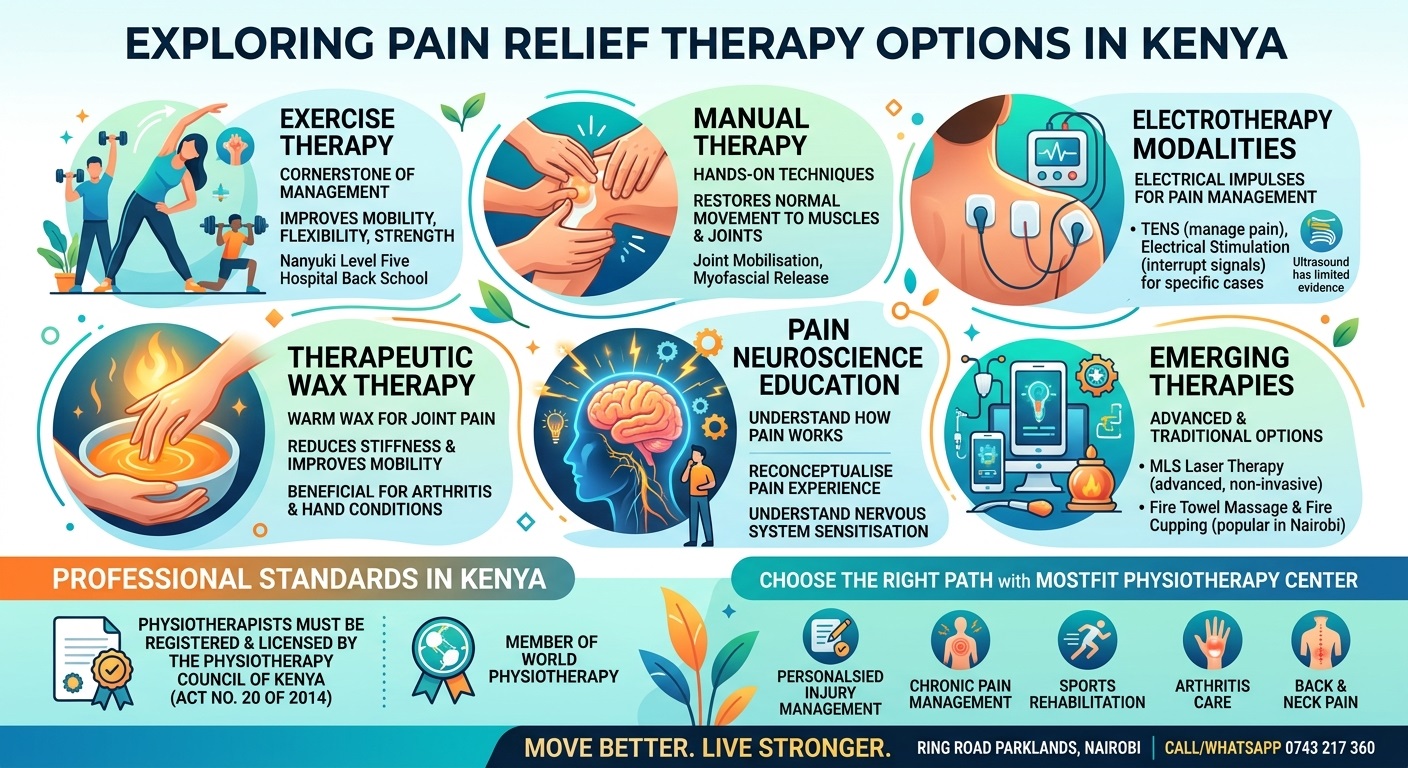
Physiotherapy is a health care profession that focuses on the prevention, diagnosis, and treatment of various conditions affecting the musculoskeletal, neurological, cardiovascular, respiratory, or pelvic systems. Physiotherapists use a variety of techniques such as manual therapy, exercise therapy, electrotherapy, hydrotherapy, acupuncture, or education to help their clients achieve their goals and improve their quality of life.
Some of the common conditions that physiotherapists can treat include:
- Back pain
- Neck pain
- Arthritis
- Sports injuries
- Stroke
- Parkinson’s disease
- Cerebral palsy
- Diabetes
- Asthma
- Urinary incontinence
Physiotherapists work with clients of all ages and backgrounds in various settings such as hospitals, clinics, schools, workplaces, or homes. Physiotherapists also collaborate with other health care professionals such as doctors, nurses, occupational therapists, or psychologists to provide holistic and patient-centered care.
What is massage therapy?
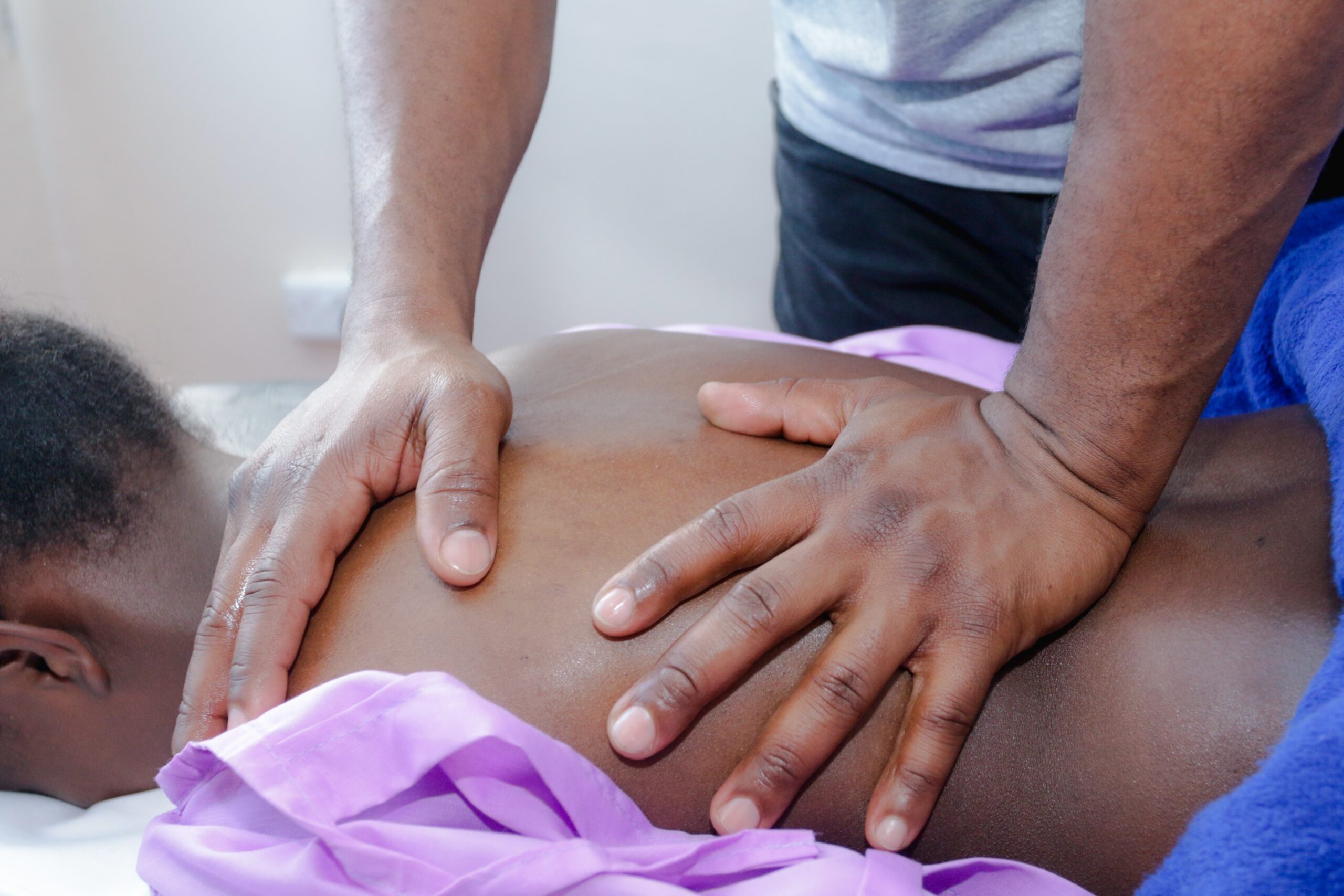
Massage therapy is a health care profession that focuses on the manipulation of soft tissues such as muscles, tendons, ligaments, or fascia to enhance their function and promote relaxation. Massage therapists use different types of strokes, pressures, movements, or vibrations to apply manual therapy to their clients.
Some of the common benefits of massage therapy include:
- Reduced stress
- Improved mood
- Increased blood circulation
- Decreased muscle tension
- Enhanced immune system
- Alleviated pain
- Improved sleep quality
Massage therapists work with clients of all ages and backgrounds in various settings such as spas, wellness centers, hotels, or homes. Massage therapists also collaborate with other health care professionals such as doctors, physiotherapists, or chiropractors to provide complementary and integrative care.
How are physiotherapy and massage therapy different?
Physiotherapy and massage therapy are different in several ways:
Scope of practice
Physiotherapy has a broader scope of practice than massage therapy. Physiotherapists can treat a wide range of conditions affecting not only the musculoskeletal system but also the neurological, cardiovascular, respiratory, or pelvic systems. Massage therapists mainly focus on the soft tissues and how they affect the overall health and well-being of the body.
Education
Physiotherapists and massage therapists have different educational backgrounds and requirements. Both physiotherapists and massage therapists must complete a diploma or degree program in their respective fields. However, physiotherapists typically study for two to four years while massage therapists study for one to two years. Both physiotherapists and massage therapists must also pass national exams and register with their professional bodies to practice legally.
Approach to treatment
Physiotherapists and massage therapists have different approaches to treatment. Physiotherapists use a variety of techniques such as manual therapy, exercise therapy, electrotherapy, hydrotherapy, acupuncture, or education to help their clients achieve their goals and improve their quality of life.
Physiotherapists also emphasize the importance of self-management and prevention by teaching their clients how to perform exercises, stretches, or lifestyle modifications at home. Massage therapists use different types of strokes, pressures, movements, or vibrations to apply manual therapy to their clients. Massage therapists also emphasize the importance of relaxation and wellness by creating a soothing atmosphere, using aromatherapy oils, or playing calming music during the session.
How are physiotherapy and massage therapy similar?
Physiotherapy and massage therapy are similar in some ways:
Goal
Both physiotherapy and massage therapy share the same goal of improving the health and well-being of their clients. Both physiotherapists and massage therapists aim to help their clients recover from injury, prevent further damage, improve their function, mobility, and quality of life.
Evidence-based
Both physiotherapy and massage therapy are evidence-based professions that rely on scientific research and clinical experience to guide their practice. Both physiotherapists and massage therapists use current best practices, standards, and guidelines to provide safe, effective, and ethical care to their clients.
Patient-centered
Both physiotherapy and massage therapy are patient-centered professions that respect the individual needs and preferences of their clients. Both physiotherapists and massage therapists conduct thorough assessments, diagnoses, and treatment plans for their clients. Both physiotherapists and massage therapists also involve their clients in the decision-making process and seek their consent and feedback throughout the course of treatment.
Which one should you choose?
The choice between physiotherapy and massage therapy depends on your individual needs and preferences. Some people may benefit from one or the other or both depending on their condition and goals. You can consult with your doctor or other health care providers to get a referral or recommendation for either physiotherapy or massage therapy services.
You can also do your own research and compare the benefits, risks, and costs of each option. Ultimately, the decision is yours and you should choose the one that suits you best.
Physiotherapy and massage therapy are two different types of therapies that both aim to improve the health and well-being of their clients. However, they have different scopes of practice, education, and approaches to treatment.
Both physiotherapy and massage therapy have their own advantages and disadvantages and you should weigh them carefully before making a choice. Both physiotherapy and massage therapy can help you recover from injury, prevent further damage, improve your function, mobility, and quality of life.