World Class Spinal Physiotherapy at Mostfit: Your Path to Lasting Relief
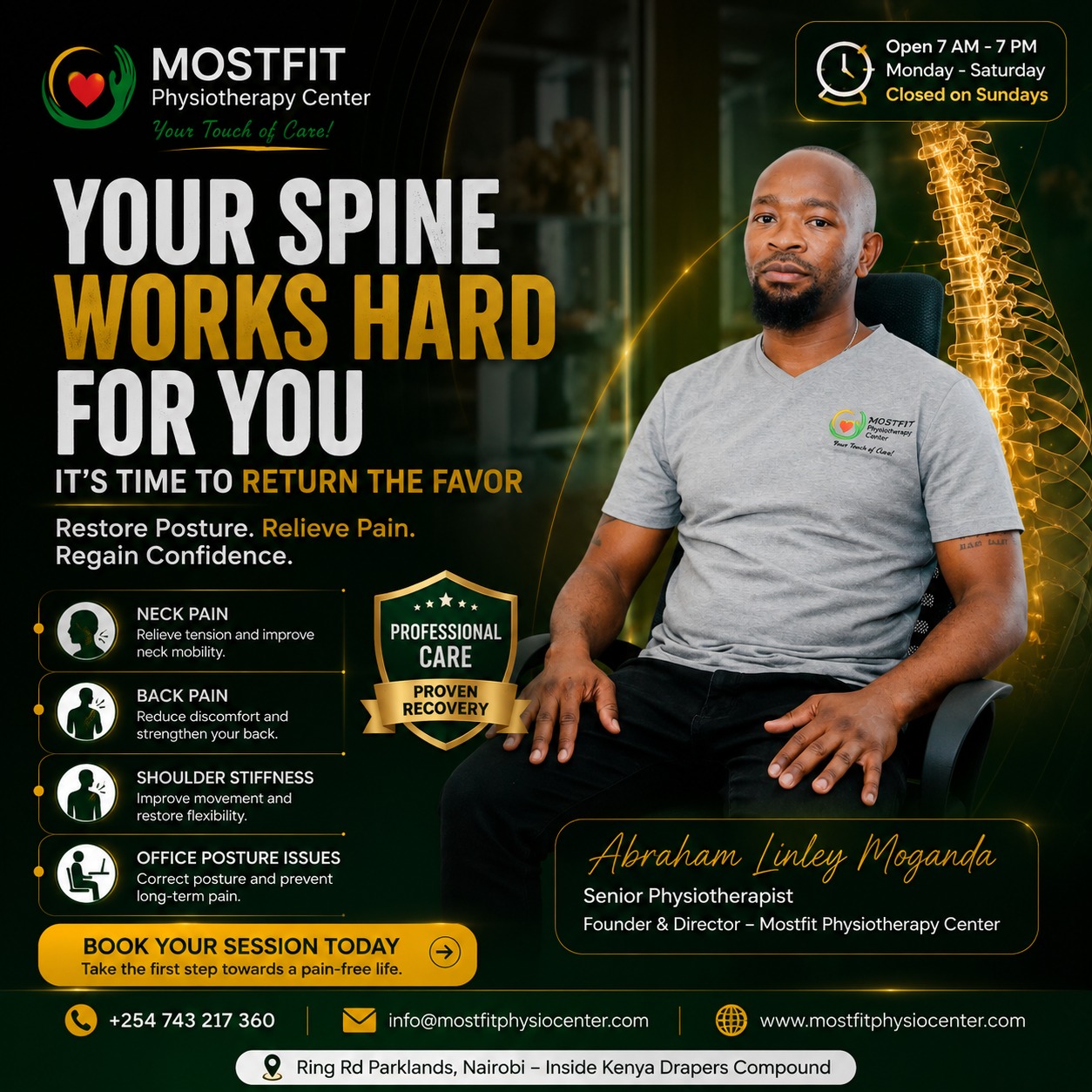
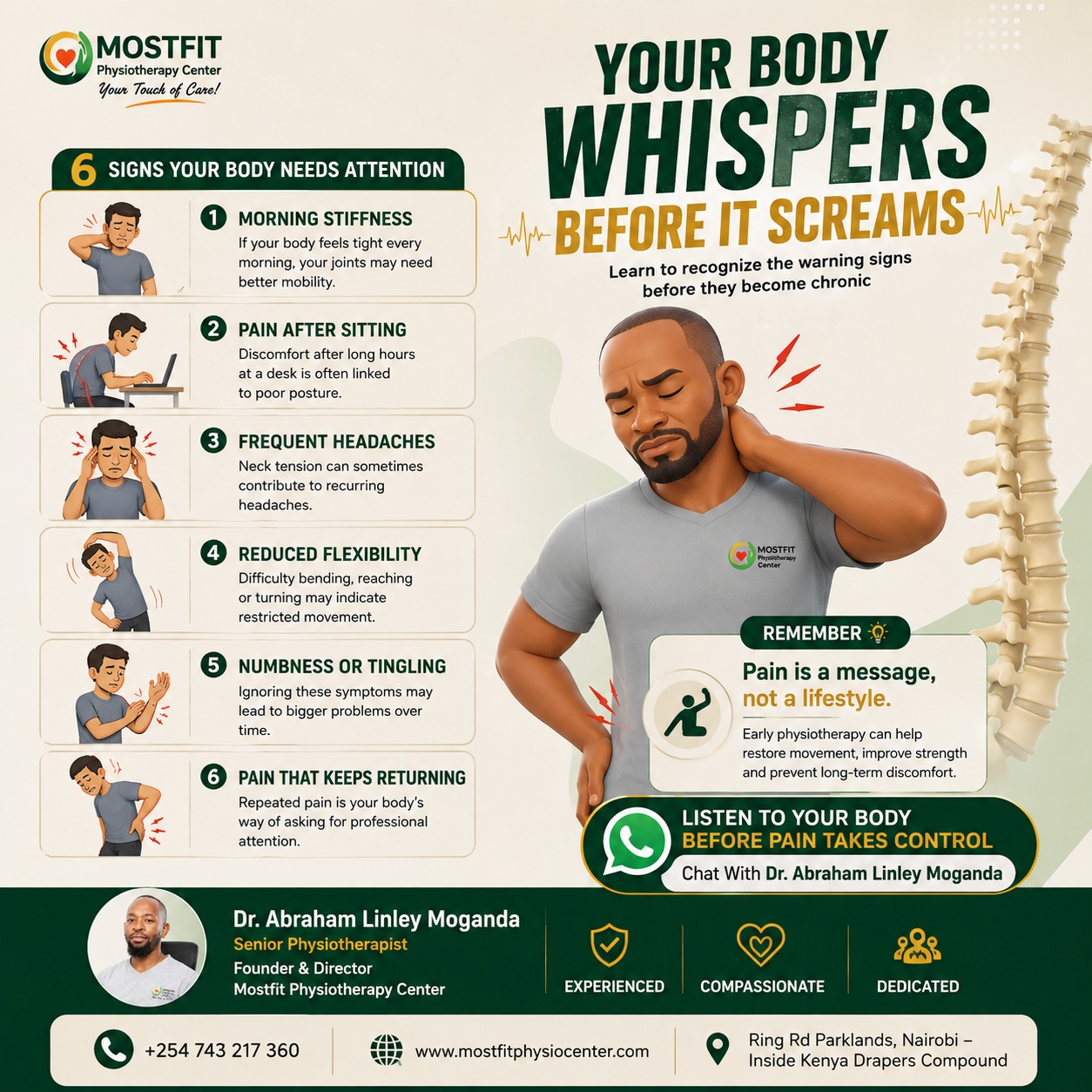
Your spine works hard for you every day. It supports your posture, protects your nerves, and enables every movement you make. Yet many people in Nairobi live with nagging back discomfort, stiff shoulders after long hours at a desk, or neck tension that never fully resolves. Ignoring these signals can lead to chronic mobility issues. We believe you deserve world class spinal physiotherapy at Mostfit Physiotherapy Center.
At Mostfit, we do not simply mask symptoms. We identify and treat the root cause of your pain. Our senior physiotherapist, Abraham Linley Moganda, leads a team dedicated to restoring your posture, relieving your pain, and rebuilding your confidence to move freely. This article explains how world class spinal physiotherapy at Mostfit can help you heal and thrive.
Understanding Spinal Pain: Why It Happens and What It Means
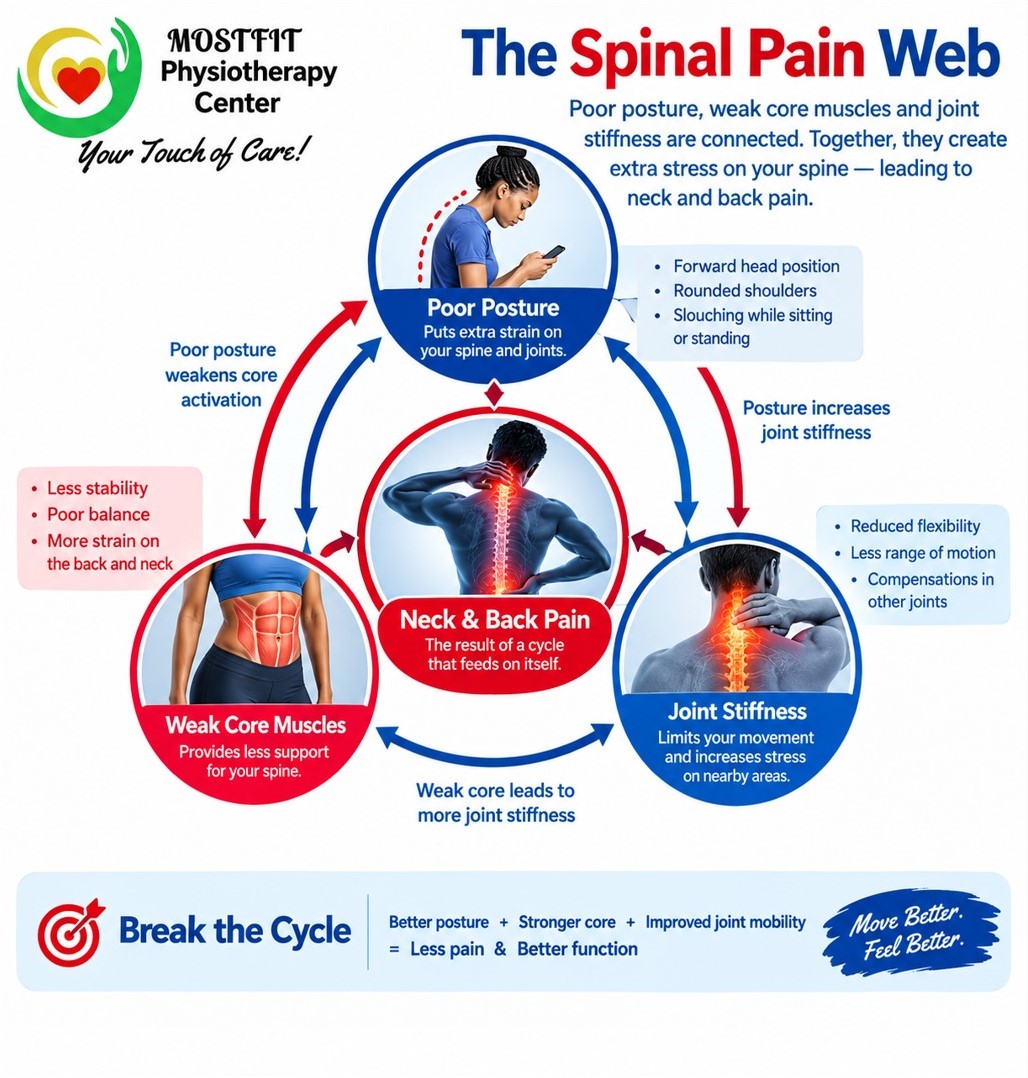
Spinal pain is rarely a simple problem. It usually results from a combination of factors. These include muscle weakness, joint stiffness, poor posture, and repetitive strain. The location of your pain may not even be where the problem originates. For example, neck pain often stems from stiffness in the thoracic spine. Similarly, lower back pain may be linked to weak core muscles.
Mechanical neck pain is one of the most common spinal complaints. It is defined as pain in the cervical spine that is provoked by movement or palpation. Globally, neck pain ranks fourth as a leading cause of years lived with disability. It affects 30% to 50% of adults annually in the United States alone. These figures show that spinal pain is a widespread issue, not a personal failing.
How World Class Spinal Physiotherapy at Mostfit Assesses Your Condition
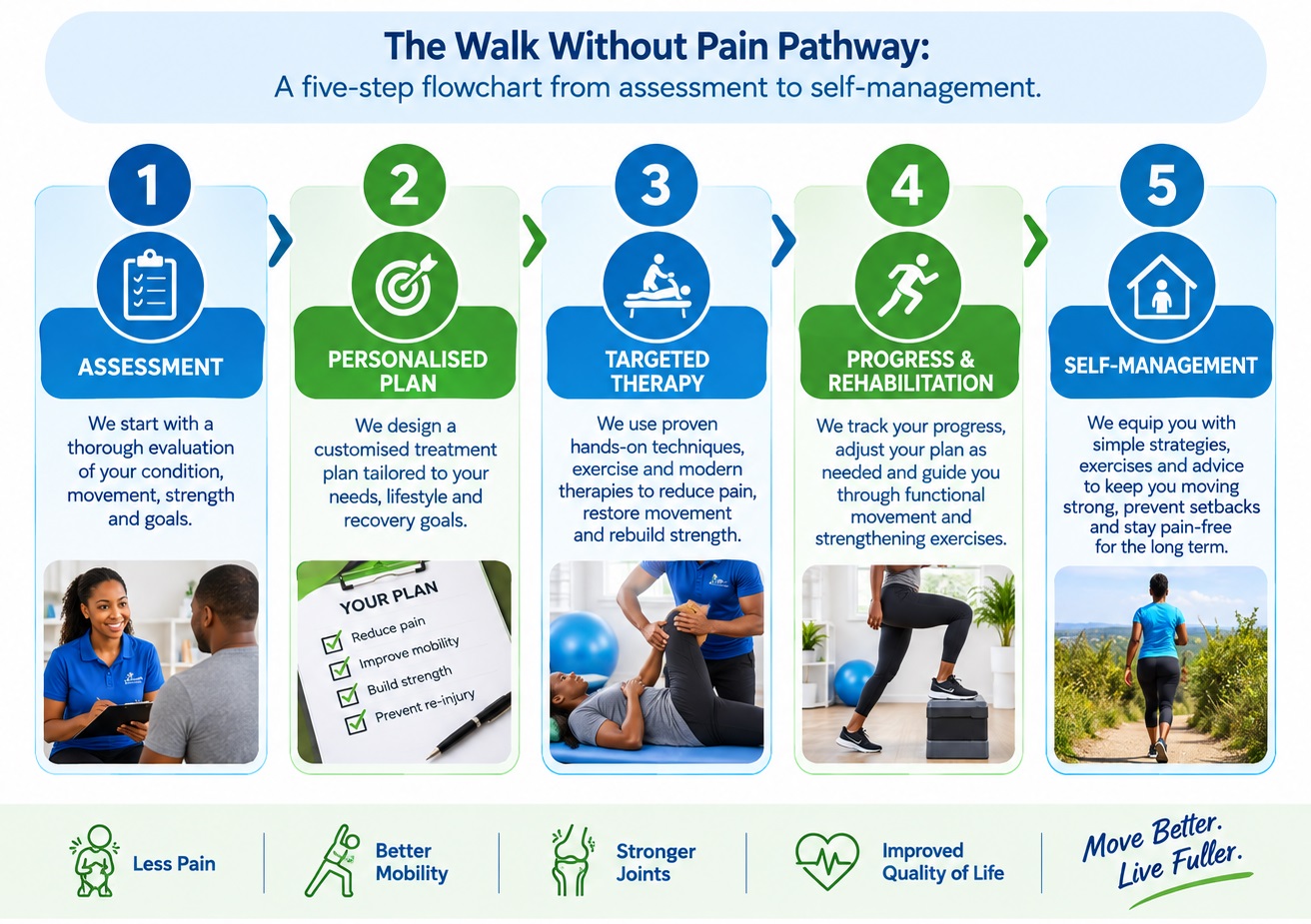
A proper assessment is the foundation of effective treatment. We do not guess. We measure. Our assessment process includes a detailed history of your pain, a physical examination, and functional testing. We observe how you sit, stand, and move. We assess joint mobility, muscle strength, and nerve function.
We also look beyond the spine itself. Your hips, shoulders, and even your breathing patterns can influence spinal load. For instance, research shows that combining thoracic spine mobilisation with usual physiotherapy produces superior outcomes for mechanical neck pain compared to usual physiotherapy alone. This is why our assessment is comprehensive and why world class spinal physiotherapy at Mostfit begins with understanding you as a whole person.
Evidence-Based Treatments for Neck Pain and Back Pain
 We use treatments supported by high-quality research. Exercise therapy is a cornerstone of our approach. A systematic review comparing exercise therapy with manual therapy for chronic low back pain found that exercise therapy had a small but beneficial effect on disability in the long term. This supports our emphasis on active rehabilitation.
For neck pain, the evidence is equally clear. A network meta-analysis published in The Spine Journal found that exercise interventions are more effective than passive physical therapies for non-specific neck pain. Resistance combined with coordination training showed the highest efficacy. The optimal exercise dosage was approximately 420 METs-minutes per week. We use these findings to design precise, effective exercise programmes for our patients.
Core Stabilisation: A Key Component of World Class Spinal Physiotherapy at Mostfit
Core stabilisation exercises target the deep muscles that support your spine. These muscles often become weak or inhibited in people with chronic back pain. A randomised controlled trial published in BMC Musculoskeletal Disorders compared core stabilisation exercises with conventional physiotherapy. The core exercise group showed greater improvements in pain relief, functional recovery, and trunk control.
Activity-related pain decreased by 4.4 points in the core exercise group compared to 1.8 points in the conventional group. Functional disability improved by 31 points versus 10 points. These results demonstrate why core-focused rehabilitation is central to our treatment philosophy.
Treating Shoulder Stiffness and Office Posture Problems
Shoulder stiffness, often called adhesive capsulitis or frozen shoulder, causes significant pain and restricts movement. Research shows that combining shoulder mobilisation with muscle energy techniques is effective for improving range of motion and reducing pain. We use manual therapy alongside targeted exercises to restore shoulder function.
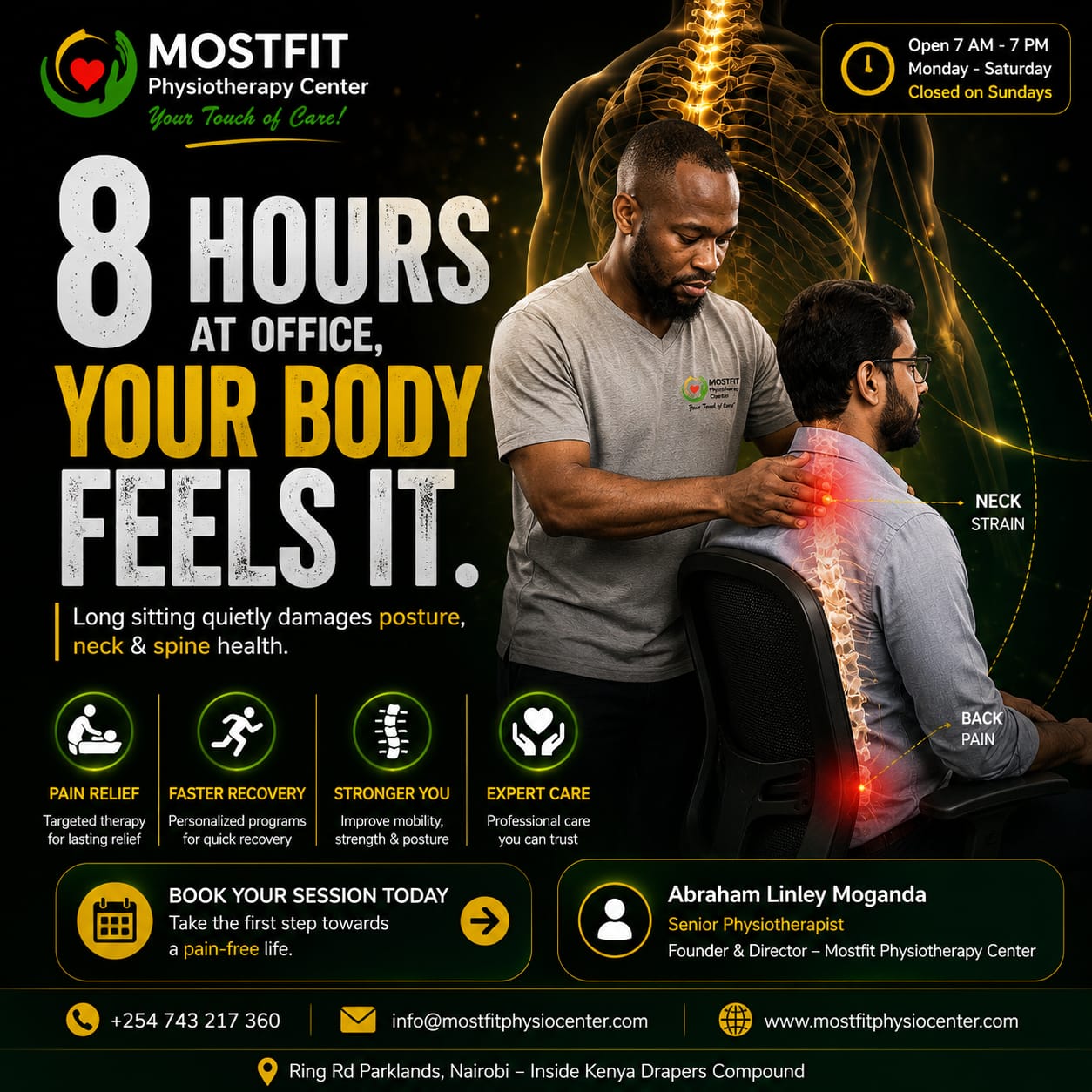
Poor posture from desk work is another common driver of spinal pain. Forward head posture places excessive load on the neck and upper back. A quasi-experimental study found that static stretching combined with ergonomic modifications significantly reduced forward head posture and pain scores among desk employees. We teach our patients practical strategies to correct posture and reduce strain during their working day.
The Role of Education in Your Recovery
Patient education is a vital part of world class spinal physiotherapy at Mostfit. Research shows that adding therapeutic patient education to other interventions likely reduces pain, disability, and fear of movement in the short term. We do not just treat you. We teach you why you hurt and what you can do about it.
We explain the neuroscience of pain in simple terms. We help you understand that pain does not always mean tissue damage. This understanding reduces fear and empowers you to move more confidently. When you understand your condition, you become an active partner in your recovery rather than a passive recipient of care.
Why Choose Mostfit for World Class Spinal Physiotherapy in Nairobi?
 Nairobi has many physiotherapy providers, including large hospitals. We believe our difference lies in our focus and our standards. Our physiotherapists are registered with the Physiotherapy Council of Kenya, the statutory body established under the Physiotherapists Act No. 20 of 2014. This registration ensures that our practitioners meet the required professional and ethical standards.
We are located at Ring Road Parklands, inside the Kenya Drapers Compound. We serve patients from across Nairobi. We combine hands-on treatment with exercise prescription and education. We do not just treat your pain. We give you the tools to maintain a pain-free spine long after your course of treatment ends.
Frequently Asked Questions About Spinal Physiotherapy
- What conditions can spinal physiotherapy treat?
Spinal physiotherapy treats neck pain, back pain, shoulder stiffness, postural problems, and nerve-related pain such as sciatica. We also help people recover from spinal surgery and manage chronic conditions like osteoarthritis. - How many sessions will I need?
The number of sessions depends on your condition and how you respond to treatment. Many patients notice improvement within four to six weeks. We review your progress regularly and adjust your plan as needed. - Is physiotherapy painful?
Physiotherapy should not be excessively painful. Some techniques may cause mild discomfort, but this usually settles quickly. We always work within your comfort level and adjust our approach to suit you. - Do I need a doctor’s referral?
In Kenya, you can access physiotherapy directly without a doctor’s referral. However, if your pain is caused by a medical condition requiring medical management, we will liaise with your doctor.
Your Next Step Towards a Pain-Free Spine
Living with spinal pain is not something you have to accept. Whether your pain comes from desk work, an injury, or a chronic condition, there is a path forward. We have helped many people in Nairobi regain their mobility and confidence. We would like to help you do the same.
Do not wait for the pain to get worse. Book an assessment at Mostfit Physiotherapy Center today. Call or WhatsApp us on 0743 217 360. Visit us at Ring Road Parklands, Nairobi, inside the Kenya Drapers Compound. Recovery begins with one decision. Make today the day you choose better movement and a better quality of life.
References
- Aboelnour, N. H., et al.
Effectiveness of upper and mid-thoracic spine mobilization in individuals with mechanical neck pain: a randomized control trial
Bulletin of Faculty of Physical Therapy
Accessed 18 September 2026
https://link.springer.com/article/10.1186/s43161-026-00370-x - González-Gómez, L., et al.
Exercise Therapy Versus Manual Therapy for the Management of Pain Intensity, Disability, and Physical Function in People With Chronic Low Back Pain
European Journal of Pain
Accessed 18 September 2026
https://onlinelibrary.wiley.com/doi/10.1002/ejp.70090 - Physiotherapy Council of Kenya
Registration and Licensing of Physiotherapists
Physiotherapy Council of Kenya
Accessed 18 September 2026
https://pck.go.ke - Wang, Y., et al.
Comparative efficacy of exercise versus passive physical therapy in improving nonspecific neck pain
The Spine Journal
Accessed 18 September 2026
https://www.sciencedirect.com/science/article/abs/pii/S1529943025003444 - Alshehri, M. A., et al.
Effect of core stabilization exercises on lumbar multifidus morphology and functional outcomes in chronic non-specific low back pain
BMC Musculoskeletal Disorders
Accessed 18 September 2026
https://link.springer.com/article/10.1186/s12891-025-09433-x - Kumar, S., et al.
Effectiveness of shoulder mobilization combined with muscle energy technique in the management of adhesive capsulitis
Saudi Journal of Sports Medicine
Accessed 18 September 2026
https://journals.lww.com - Sharma, R., & Gupta, P.
Combined Effects of Static Stretching and Ergonomic Modifications on Forward Head Posture among Desk Job Employees
Journal of Clinical and Diagnostic Research
Accessed 18 September 2026
https://www.jcdr.net - Martinez-Calderon, J., et al.
Efficacy of Therapeutic Patient Education for Managing Subacute and Chronic Musculoskeletal Conditions
Journal of Orthopaedic & Sports Physical Therapy
Accessed 18 September 2026
https://www.jospt.org - World Physiotherapy (https://world.physio)
- The Spine Journal (https://www.sciencedirect.com/journal/the-spine-journal)
- BMC Musculoskeletal Disorders (https://bmcmusculoskeletdisord.biomedcentral.com)