Joint Pain Expert Physiotherapy | Restore Pain-Free Movement
What Is Joint Pain Expert Physiotherapy?
Joint pain expert physiotherapy is a specialised branch of clinical rehabilitation focused on diagnosing, managing, and resolving complex musculoskeletal conditions. Unlike temporary symptomatic relief, this advanced approach combines biomechanical assessments, targeted manual therapy, and evidence-based exercise prescription to restore optimal joint mechanics.
Our professional team targets structural dysfunctions within the articular cartilage, synovial membranes, joint capsules, and surrounding soft tissues. We focus on uncovering the underlying driver of your discomfort rather than merely masking your symptoms. This clinical approach ensures long-term recovery and minimises the risk of recurring joint degeneration.
For individuals experiencing chronic discomfort, consulting a qualified musculoskeletal therapist is the most dependable path to reclaiming fluid, unrestricted movement.
Core Mechanisms of Clinical Joint Rehabilitation
[Comprehensive Assessment] ➔ [Manual Therapy] ➔ [Targeted Exercise] ➔ [Long-Term Resilience]
Common Causes of Chronic Joint Dysfunction
Joint degeneration and discomfort rarely stem from a single isolated incident. They typically develop from a combination of mechanical wear, systemic inflammation, and functional imbalances.
Osteoarthritis and Articular Degeneration
Osteoarthritis is the progressive degradation of articular cartilage within weight-bearing joints. As this protective cushioning wears thin, subchondral bone rubs against bone, leading to osteophyte formation, localised inflammation, and significant structural stiffness.
Tendinopathies and Ligamentous Strain
Chronic repetitive strain or acute trauma can compromise the structural integrity of tendons and ligaments. Conditions such as patellar tendinopathy or rotator cuff tears alter joint tracking, leading to compensatory stress and heightened localized discomfort.
Post-Surgical Dynamics and Scar Tissue
Following orthopaedic interventions like a total knee replacement or arthroscopic surgery, the body naturally deposits dense collagen sheets known as scar tissue. Without targeted clinical mobilization, these adhesions restrict the joint capsule, causing persistent stiffness and reduced range of motion.
Our Evidence-Based Approach to Joint Rehabilitation
At Mostfit Physiotherapy Center, we reject generic, one-size-fits-all treatment sheets. We utilize advanced diagnostic frameworks to design bespoke rehabilitation programs tailored to your specific biomechanical profile.
Comprehensive Biomechanical Assessment
Our clinical process begins with a detailed assessment of your movement patterns. We analyze your gait dynamics, evaluate segmental joint mobility, and perform specific orthopaedic tests to identify muscle imbalances and structural vulnerabilities.
Advanced Manual Therapy Techniques
Our specialists utilize targeted manual therapies to reduce joint restriction and alleviate neural sensitivity. These evidence-based interventions include:
- Maitland and Mulligan Joint Mobilisations: Controlled, passive glides applied to articular surfaces to restore normal accessory motion and reduce localized discomfort.
- Myofascial Trigger Point Release: Targeted neuromuscular pressure applied to hyperirritable spots within skeletal muscle to eliminate referred pain patterns.
- Instrument-Assisted Soft Tissue Mobilisation (IASTM): The application of specialized tools to break down deep fascial restrictions and stimulate localized vascular healing.
Custom Progressive Exercise Prescription
Long-term structural stability requires progressive physical conditioning. We design targeted exercise regimens that transition from early neuromuscular activation to advanced eccentric loading, ensuring your joints can safely absorb everyday impacts.
| Phase of Rehabilitation | Primary Clinical Objective | Common Therapeutic Interventions |
| Phase 1: Acute Protection | Alleviate inflammation and restore basic range of motion | Gentle passive mobilization, isometric activation, cryotherapy |
| Phase 2: Sub-Acute Loading | Rebuild localized muscular endurance and tissue tolerance | Progressive concentric exercises, closed-kinetic chain movements |
| Phase 3: Functional Power | Restore full multi-planar strength and kinetic power | Eccentric loading, plyometric drills, sport-specific agility tracking |
Why Choose Specialized Care Over General Treatments?
Managing persistent structural discomfort requires deep clinical expertise. Choosing joint pain expert physiotherapy ensures you receive care that is specifically tailored to complex musculoskeletal conditions.
[General Treatment] [Expert Physiotherapy]
┌───────────────────────────┐ ┌───────────────────────────┐
│ • Symptomatic focus │ │ • Root-cause diagnostics │
│ • Passive modalities only │ VS │ • Active neuromuscular loading
│ • Short-term relief │ │ • Long-term joint resilience
└───────────────────────────┘ └───────────────────────────┘
Generic rehabilitation often relies too heavily on passive modalities like hot packs or ultrasound. While these tools can offer temporary comfort, they do not address underlying biomechanical failures or muscle weaknesses.
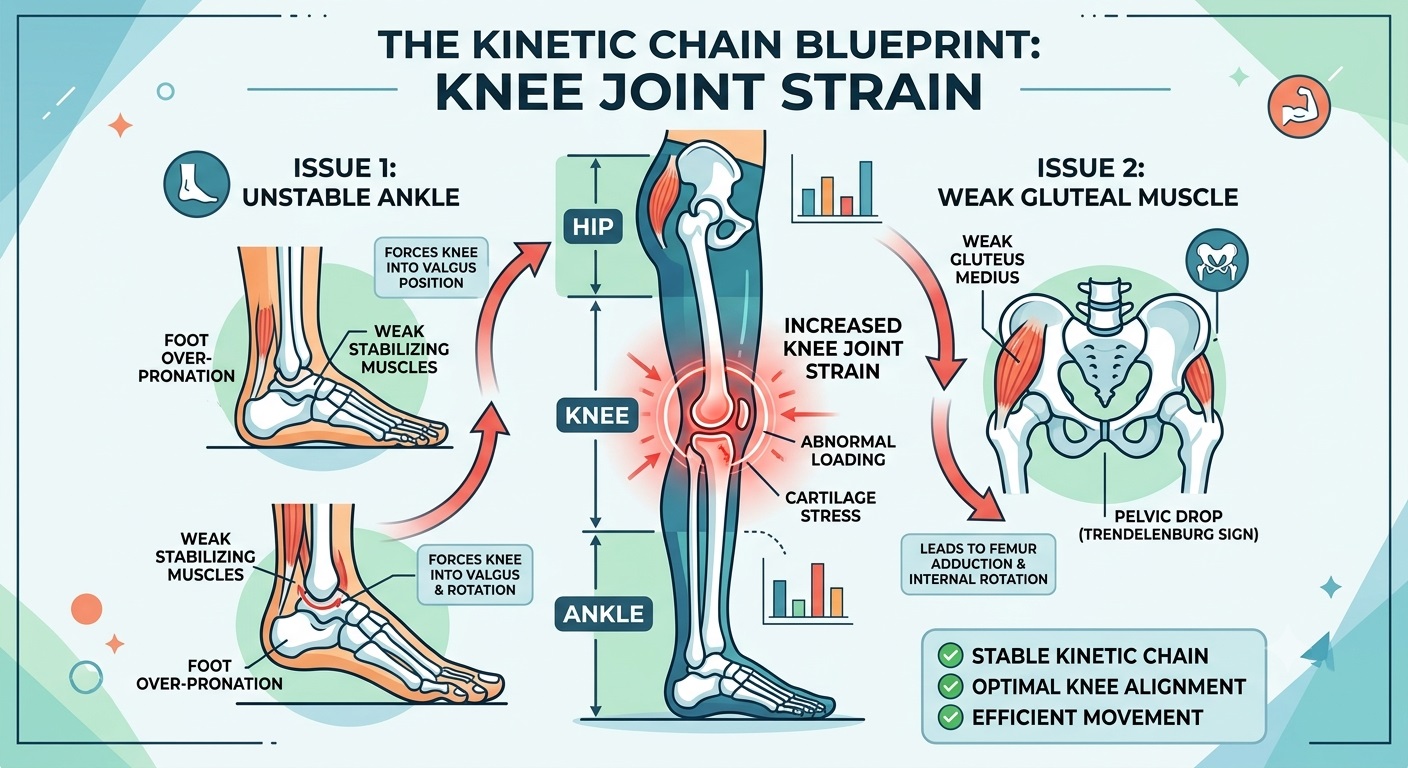
Our specialized clinical team focuses on active neuromuscular retraining and structural restoration. We treat the entire kinetic chain, ensuring that adjacent joints and muscle groups provide optimal support to the affected area. This comprehensive approach delivers lasting relief and protects your musculoskeletal system against future wear and tear.
Frequently Asked Questions
- How many physiotherapy sessions will I need to resolve my joint pain?
The duration of your recovery depends on the chronicity of the condition, tissue type, and your adherence to prescribed home exercises. Most patients experience measurable structural improvement within four to six clinical sessions. - Is physiotherapy effective for severe, bone-on-bone osteoarthritis?
Yes, targeted physiotherapy is highly effective for managing severe osteoarthritis. By strengthening the surrounding skeletal muscles and improving joint capsule mobility, we can significantly reduce mechanical loading on the joint surfaces. - Should I rest or continue moving when experiencing joint stiffness?
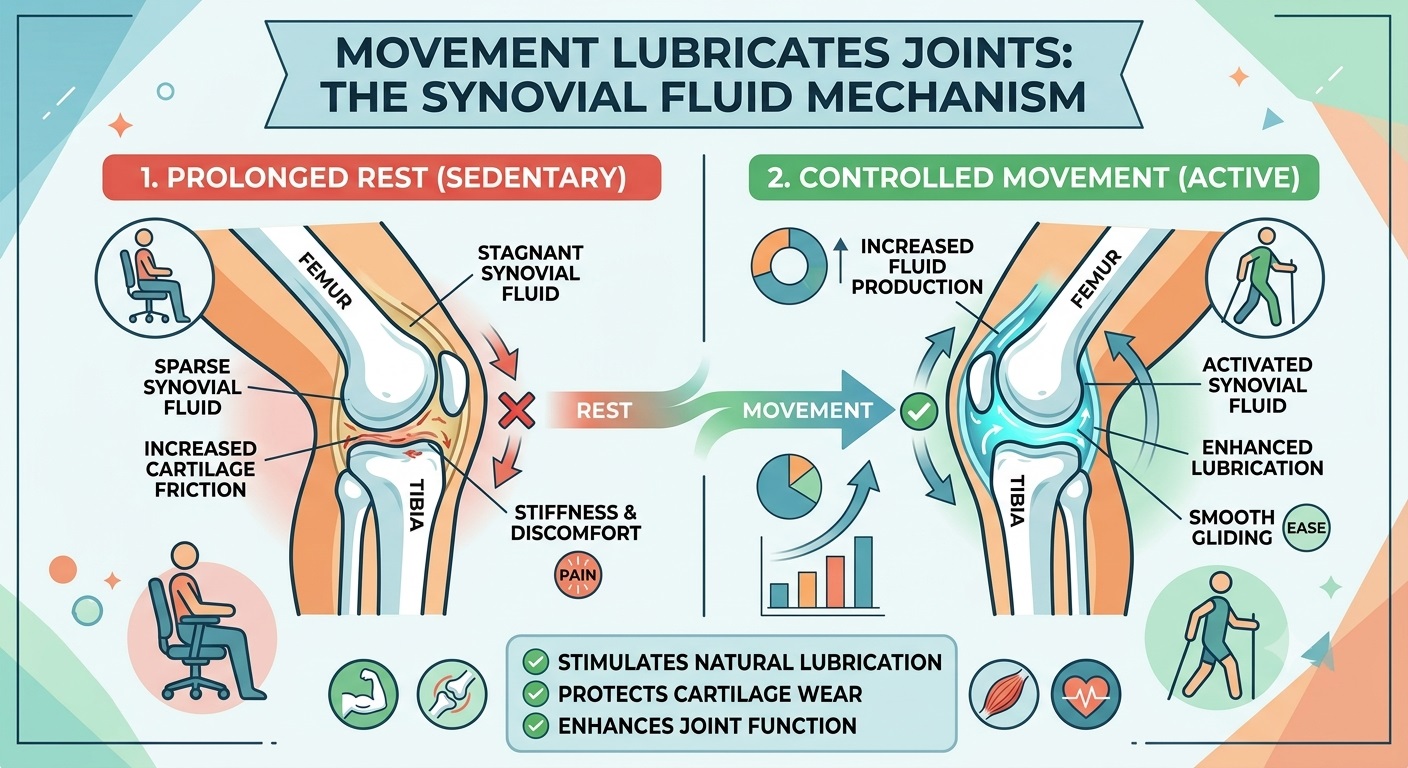
Prolonged rest typically worsens joint stiffness because it reduces the production of lubricating synovial fluid. We recommend controlled, low-impact movement under the guidance of a physiotherapist to preserve your range of motion without overloading vulnerable tissues.
Reclaim Your Mobility with Nairobi’s Trusted Joint Specialists
 Do not let persistent joint discomfort dictate your lifestyle or limit your independence. At Mostfit Physiotherapy Center, we combine advanced clinical expertise with state-of-the-art rehabilitation techniques to deliver exceptional musculoskeletal care in Nairobi. Our modern facility is fully equipped to guide you through every stage of your recovery journey.
Whether you are recovering from an orthopaedic operation, managing chronic joint degeneration, or looking to return to peak athletic performance, our specialist team is ready to assist you. We provide the precise, evidence-based interventions required to restore fluid, confident, and pain-free movement.
Take the first step toward lasting structural recovery and optimal physical health today. Visit our clinic at Ring Road Parklands, Nairobi, located inside the Kenya Drapers Compound. You can contact our clinical team directly or send a message via WhatsApp on 0743 217 360 to book your comprehensive initial consultation.
References
- Organisation: World Health Organization (WHO)
- Article Title: Musculoskeletal Conditions and Global Health Trends
- Publisher: World Health Organization
- Access Date: July 15, 2026
- URL: https://www.who.int/news-room/fact-sheets/detail/musculoskeletal-conditions
- Organisation: National Institute for Health and Care Excellence (NICE)
- Article Title: Osteoarthritis: Care and Management Clinical Guideline [NG226]
- Publisher: National Institute for Health and Care Excellence
- Access Date: July 15, 2026
- URL: https://www.nice.org.uk/guidance/ng226
- Organisation: Chartered Society of Physiotherapy (CSP)
- Article Title: Evidence-Based Efficacy of Manual Therapy and Exercise in Musculoskeletal Rehabilitation
- Publisher: Chartered Society of Physiotherapy
- Access Date: July 15, 2026
- URL: https://www.csp.org.uk/professional-clinical/clinical-guidance/musculoskeletal
- Organisation: Chartered Society of Physiotherapy (CSP)
- Article Title: Physiotherapy Works
- Publisher: Chartered Society of Physiotherapy
- Access Date: July 15, 2026
- URL: https://www.csp.org.uk/professional-clinical/physiotherapy-works
- Organisation: The Lancet
- Article Title: Global, regional, and national burden of osteoarthritis 1990–2020 and projections to 2050: a systematic analysis
- Publisher: Elsevier
- Access Date: July 15, 2026
- URL: https://www.thelancet.com/journals/lanrhe/article/PIIS2665-9913(23)00163-7/fulltext
- Organisation: World Health Organization (WHO)
- Article Title: Rehabilitation
- Publisher: World Health Organization
- Access Date: July 15, 2026
- URL: https://www.who.int/news-room/fact-sheets/detail/rehabilitation