A Strong Spine Is a Strong Life: Evidence-Based Care for Spinal Health at Mostfit
Why Your Spine Matters More Than You Think
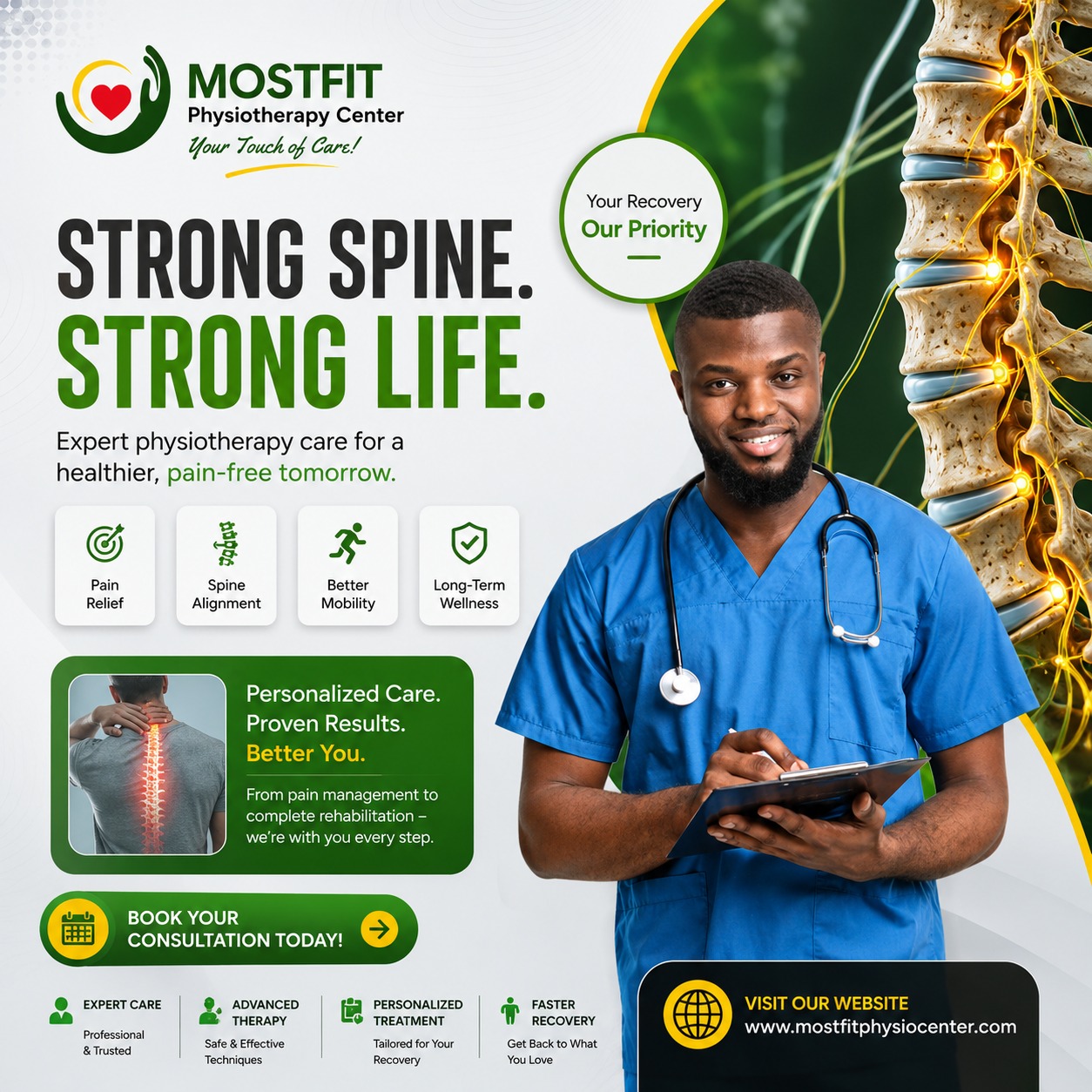
The human spine is the foundation of almost every movement the body makes and a strong spine is a strong life. This is why musculoskeletal physiotherapy is one of the most important physiotherapy treatments you can get at Mostfit. The vertebral column consists of 33 vertebrae separated by fibrocartilaginous intervertebral discs, forming a column that protects the spinal cord and spinal nerves from mechanical trauma while supporting the weight of the body above the pelvis. When viewed from the side, an adult spine has a natural S-shaped curve, with curvatures in the cervical, thoracic, lumbar, and sacral regions. These curves work like a coiled spring to absorb shock, maintain balance, and allow range of motion throughout the spinal column.
Yet most of us do not think about our spine until it starts hurting. The spine serves several critical functions, including protection of the spinal cord and branching spinal nerves. Intervertebral discs permit mobility while preserving the supportive strength of the vertebral column. When the spine is healthy, we move with confidence. When it is not, even the simplest tasks become difficult.
The Scale of Spinal Health Problems in Kenya
Low back pain is a major contributor to disability worldwide. In 2020, low back pain affected 619 million people globally, with projections of 843 million prevalent cases by 2050. Low back pain is the main contributor to the overall burden of musculoskeletal conditions, responsible for 7.4% of global years lived with disability.
In Kenya, the situation is equally concerning. A scoping review identified low back pain as one of the leading conditions contributing to functioning problems in Kenya, alongside major depressive disorder and HIV. The most prevalent problems include walking difficulties, various forms of pain, and depression.
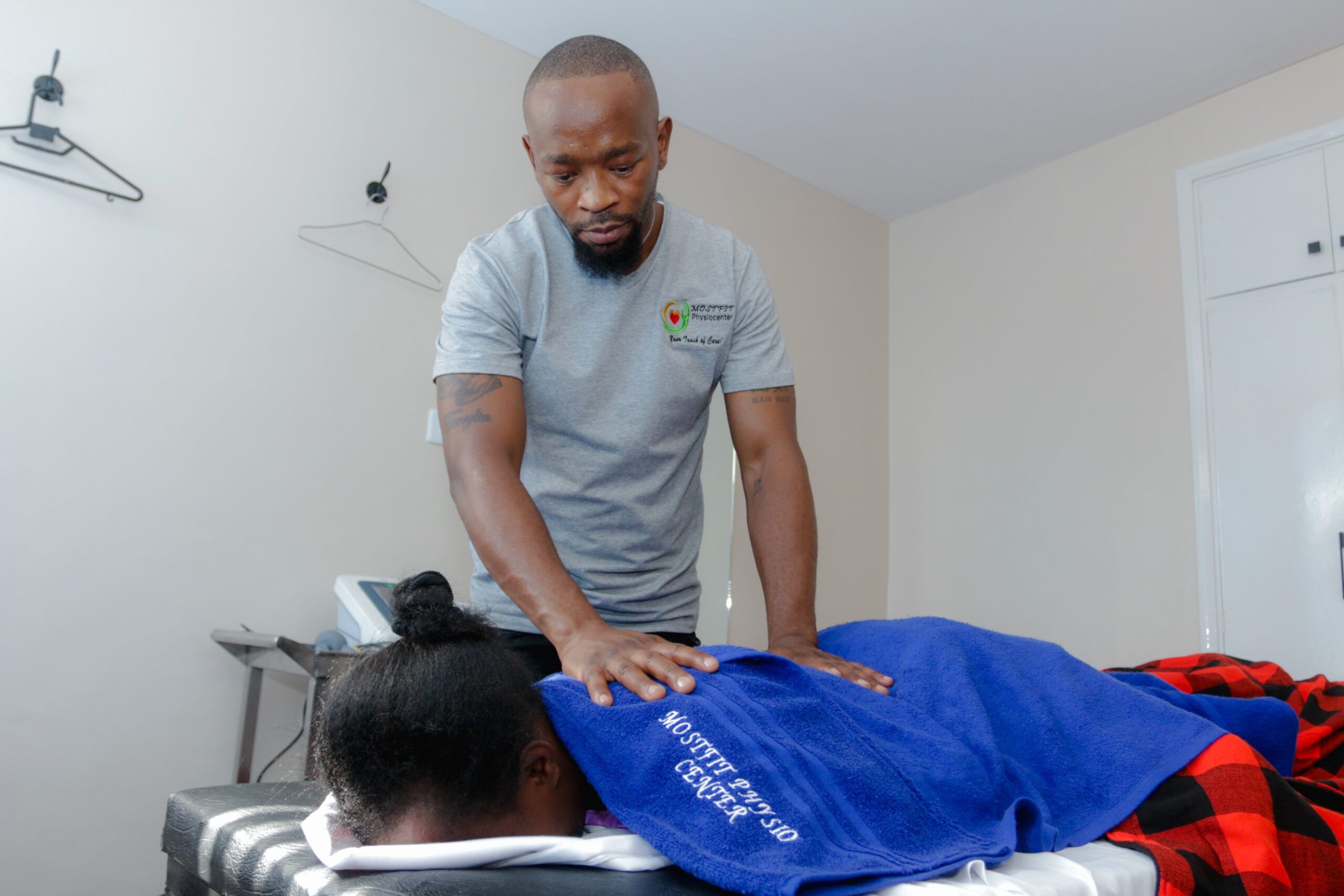 Research across different Kenyan populations reveals consistently high prevalence rates:
- Among primary school teachers in rural Western Kenya, the 12-month prevalence of low back pain is 64.98%, with female gender identified as a significant risk factor.
- Among university teaching staff in Nairobi, the estimated 12-month prevalence is 64% (95% CI: 55.3%-72.0%). Physical inactivity, chairs without lumbar support, and high workplace stress were identified as significant modifiable risk factors.
- Among bank employees in Nairobi, prolonged sitting and computer use increase the risk of low back pain.
These figures show that spinal health problems touch every sector of Kenyan society. They affect productivity, quality of life, and long-term wellbeing.
A Strong Spine Is a Strong Life: What the Evidence Says About Spinal Rehabilitation
Exercise Therapy and Core Stabilisation
High-quality evidence supports exercise therapy as a cornerstone of spinal rehabilitation. A 2024 randomised controlled trial found that core stabilisation exercises significantly improve proprioception, balance, muscle thickness, and pain-related outcomes in patients with low back pain. Core stabilisation exercises can retrain the important function of local trunk muscles and increase the accuracy of the sensory integration process for spinal stability.
The research shows that core stabilisation exercise is superior to general strengthening exercise. It is effective in improving proprioception, balance, and muscle thickness, while reducing functional disability and fear of movement. These improvements are not just temporary; they represent lasting changes in how the body supports and protects the spine.
Manual Therapy and Combined Approaches
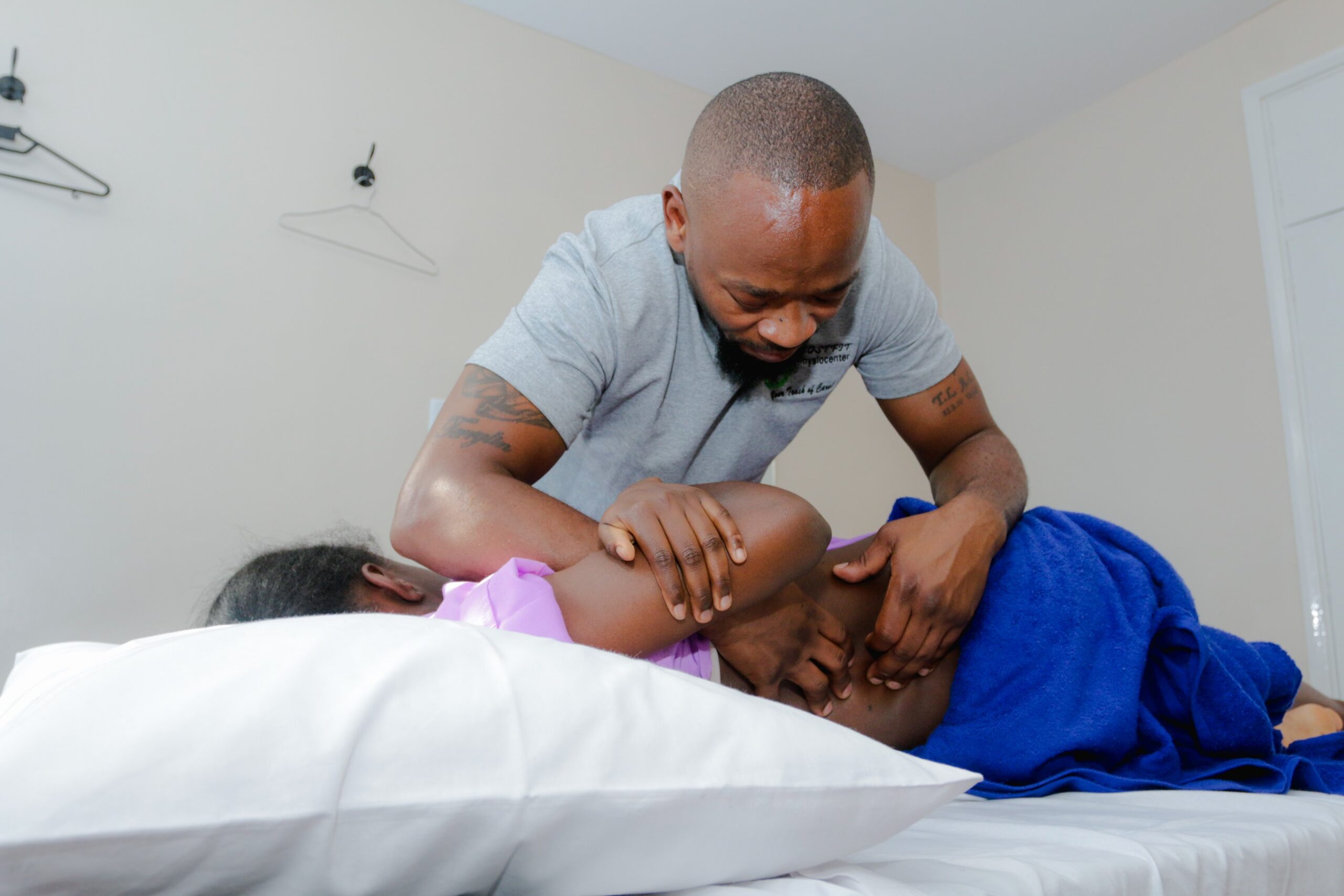 A 2024 randomised controlled trial published in Scientific Reports compared exercise alone with exercise combined with manual therapy and exercise combined with kinesiotape in patients with chronic low back pain. All therapies achieved significant improvements over 12 weeks, but manual therapy prior to core exercise was the most effective approach for improving health-related functionality. The manual therapy group achieved clinically significant improvements in disability scores of -54.71% at 3 weeks, -63.16% at 6 weeks, and -87.70% at 12 weeks.
The National Institute for Health and Care Excellence (NICE) guidelines recommend considering manual therapy for managing low back pain, but only as part of a treatment package that includes exercise. This evidence-based approach ensures that patients receive comprehensive care that addresses multiple aspects of spinal health.
Self-Management and Patient Education
World Physiotherapy identifies self-management and exercise as the most recommended treatments for managing low back pain. Physiotherapists help patients develop self-management programmes that address fear of movement, provide ergonomic adjustments in the workplace, and build confidence in returning to normal activities.
The biopsychosocial approach, which considers biological, psychological, and social factors, has become the standard of care in modern physiotherapy. This approach recognises that spinal pain is not simply a mechanical problem but a complex experience shaped by thoughts, emotions, and environmental factors.
Professional Standards in Kenya
Physiotherapists practising in Kenya must be registered and licensed by the Physiotherapy Council of Kenya under the Physiotherapist Act No. 20 of 2014. The Council has developed Diagnosis and Management Protocols for Physiotherapy to ensure conformity to global standards of practice and effective service delivery in Kenya.
The Kenya Society of Physiotherapists has been a member of World Physiotherapy since 1982, aligning local practice with international standards. This regulatory framework ensures that patients receive care from qualified professionals who adhere to recognised standards of practice.
Building a Stronger Spine: Why is A Strong Spine Is a Strong Life and What Physiotherapy Offers
Our expert physiotherapy for spinal health involves: 
- Comprehensive assessment of spinal alignment, movement patterns, and function
- Identification of contributing factors, including posture, muscle weakness, and workplace ergonomics
- Evidence-based intervention selection, including exercise therapy and manual techniques
- Education on self-management and pain neuroscience
- Ongoing evaluation and adjustment of treatment
- Guidance on preventing recurrence and maintaining long-term spinal health
At Mostfit Physiotherapy Center, we take time to assess each patient’s condition thoroughly, understand their goals, and develop a personalised rehabilitation plan. Our approach is grounded in the principles of patient-centred care endorsed by World Physiotherapy.
We treat:
- Persistent back pain and neck pain
- Poor posture and spinal alignment issues
- Sports-related spinal injuries
- Work-related strains from prolonged sitting or manual handling
- Post-surgical spinal rehabilitation
- Recurring aches and discomfort
A Strong Spine Is a Strong Life: Protecting Your Spine for the Long Term
Caring for your spine is not just about treating pain. It is about protecting your quality of life. Research shows that physical activity increases strength, improves function, and reduces pain. The CDC recommends exercise therapy as a prominent modality in physical therapy for pain management.
Simple preventive measures can make a significant difference:
- Using chairs with proper lumbar support
- Taking regular breaks from prolonged sitting
- Maintaining regular physical activity
- Strengthening core muscles that support the spine
- Practicing good posture during daily activities
A stronger spine leads to a stronger life. Whether you are dealing with persistent back pain, recovering from an injury, or simply want to move with greater confidence, expert physiotherapy can help you build the foundation for long-term health and wellbeing.
- 📍 Visit us at Ring Road Parklands, Nairobi (Inside Kenya Drapers Compound)
- 📞 Call or WhatsApp 0743 217 360 to book your consultation today
Take care of your spine today, so it can keep taking care of you tomorrow.
References
- World Health Organization. Low back pain. Geneva: WHO; 2023. Available from: https://www.who.int/news-room/fact-sheets/detail/low-back-pain
- WHO. Musculoskeletal health. Geneva: WHO; 2022. Available from: https://www.who.int/news-room/fact-sheets/detail/musculoskeletal-conditions
- Elias HE, Downing R, Mwangi A. Low back pain among primary school teachers in Rural Kenya: Prevalence and contributing factors. Afr J Prim Health Care Fam Med. 2019;11(1):e1-e7. Available from: https://doi.org/10.4102/phcfm.v11i1.1819
- Diallo SK, et al. Prevalence and risk factors for low back pain among university teaching staff in Nairobi, Kenya: a cross-sectional study. F1000Res. 2019;8:808. Available from: https://pubmed.ncbi.nlm.nih.gov/33042517/
- Mutua MM, Waiganjo L, Boit E. Low back pain and the severity amongst bank personnel within Nairobi City County. Int J Physiol Health Phys Educ. 2024;6(1):14-19. Available from: https://repository.ku.ac.ke
- Kingau NW, et al. Impact of health conditions on daily functioning in Kenyan populations: A scoping review. Afr J Disabil. 2025;14:1456. Available from: https://pubmed.ncbi.nlm.nih.gov/40357350/
- Effects of core stabilization exercise and strengthening exercise on proprioception, balance, muscle thickness and pain related outcomes in patients with subacute nonspecific low back pain. BMC Musculoskelet Disord. 2021;22:998. Available from: https://pmc.ncbi.nlm.nih.gov/articles/PMC8630919/
- Blanco-Giménez P, et al. Clinical relevance of combined treatment with exercise in patients with chronic low back pain: a randomized controlled trial. Sci Rep. 2024;14:17042. Available from: https://pubmed.ncbi.nlm.nih.gov/39048701/
- NICE. Low back pain and sciatica in over 16s: assessment and management. NICE guideline [NG59]. Available from: https://www.nice.org.uk/guidance/ng59
- World Physiotherapy. Physiotherapy and low back pain. London: World Physiotherapy. Available from: https://world.physio
- Physiotherapy Council of Kenya. Assessment and Management Clinical Protocols. Nairobi: PCK; 2023. Available from: https://pck.go.ke
- CDC. Nonopioid Therapies for Pain. Atlanta: CDC. Available from: https://www.cdc.gov
This article is for informational purposes and does not constitute medical advice. Always consult a qualified physiotherapist for assessment and treatment of your specific condition.