Heel Pain Physiotherapy Services in Nairobi: Expert Treatment for Lasting Relief
Introduction: Your Journey to Pain-Free Walking Starts Here
Welcome to Mostfit Physiotherapy Center, the leading experts in heel pain physiotherapy services in Nairobi. If you have been suffering with persistent heel pain and walking has become a nightmare, we are here to help. Our specialized approach combines cutting-edge treatment methods with compassionate care. Your comfort and recovery remain our top priorities throughout the healing process. We are the best heel physiotherapy specialists in Nairobi.
We understand that heel pain affects every aspect of your daily life activities. Simple tasks like walking to work or climbing stairs become challenging ordeals. Our comprehensive treatment programs address both immediate pain relief and long-term prevention strategies. We are committed to helping you return to your active lifestyle quickly and safely.
Located in the heart of Nairobi, we serve patients from across the metropolitan area. Our state-of-the-art facility provides a comfortable environment for healing and recovery. We combine traditional physiotherapy techniques with modern therapeutic approaches. Your personalized treatment journey begins with our experienced and dedicated healthcare team.
Understanding Heel Pain: Causes and Impact on Daily Life
The Science Behind Heel Pain Conditions
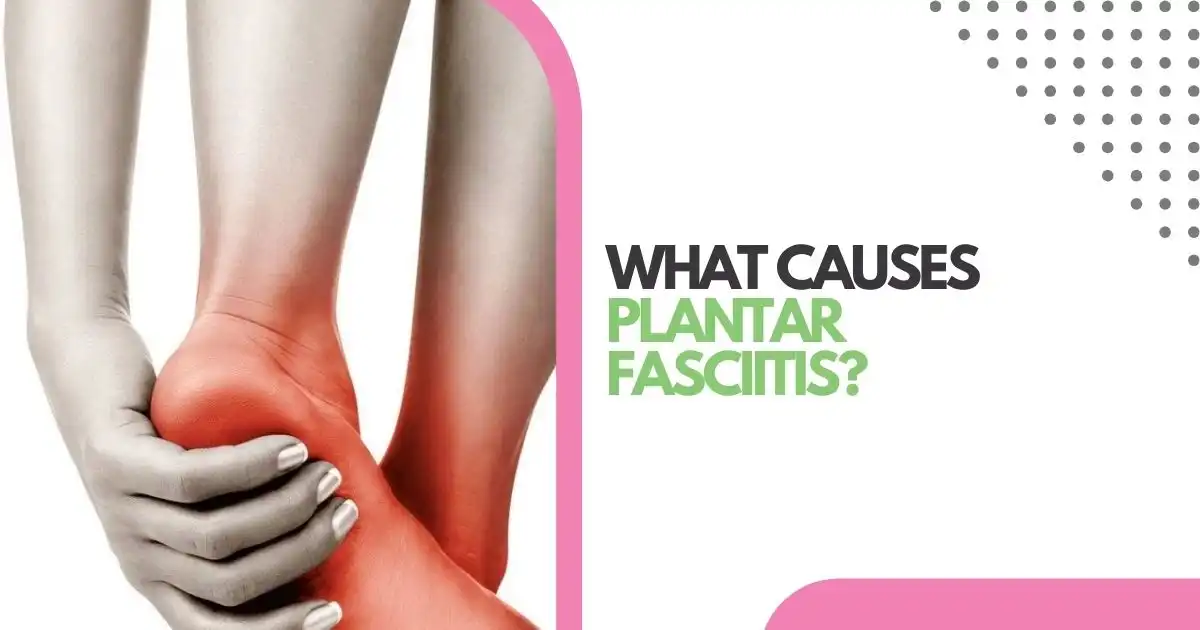
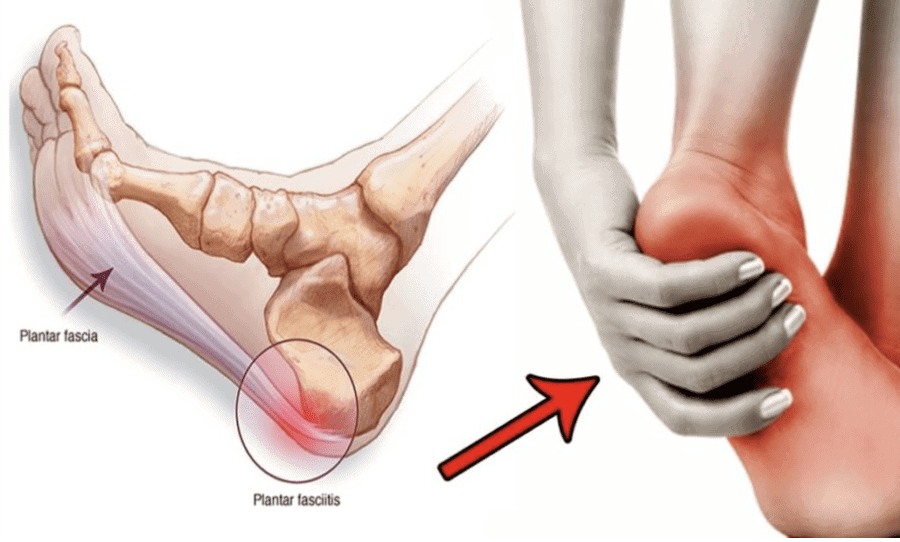
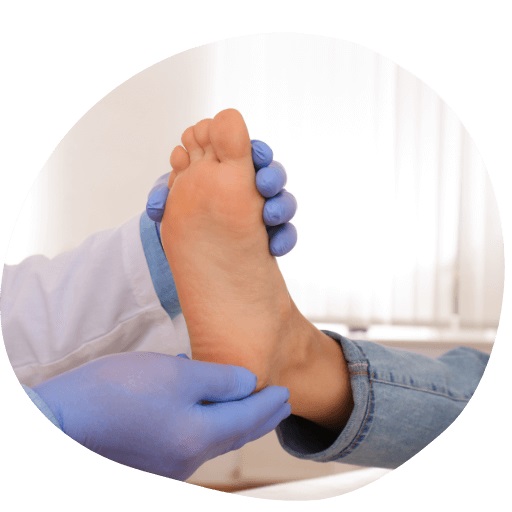 Heel pain, particularly plantar fasciitis, represents one of the most common musculoskeletal conditions we encounter. This condition affects the thick band of tissue connecting your heel bone to your toes. Inflammation and micro-tears in this tissue create debilitating pain that worsens with activity. How physiotherapy helps in heel pain involves addressing these underlying tissue changes through targeted interventions.
The plantar fascia supports your foot’s arch and absorbs shock during walking and running activities. Repetitive stress, poor biomechanics, or sudden increases in activity can overload this structure. Age-related changes in tissue elasticity also contribute to increased susceptibility. Understanding these mechanisms helps us develop effective treatment strategies for each individual patient.
Common Risk Factors and Contributing Elements
Several factors increase your likelihood of developing heel pain that requires professional intervention. Age plays a significant role, with most cases occurring between ages 40 and 60. Occupations requiring prolonged standing or walking on hard surfaces elevate risk significantly. Obesity places additional stress on the plantar fascia, accelerating tissue breakdown and inflammation.
Foot structure abnormalities such as flat feet or high arches alter weight distribution patterns. Tight calf muscles and limited ankle flexibility contribute to increased plantar fascia tension. Previous injuries or sudden changes in activity levels can trigger acute episodes. Identifying these risk factors helps us develop comprehensive prevention strategies.
World-class Heel Pain Physiotherapy Services In Nairobi: Why Choose Mostfit?
Our Evidence-Based Treatment Philosophy
Heel pain rehabilitation services in Nairobi at Mostfit follow internationally recognized treatment protocols and guidelines. We base our interventions on current research evidence and clinical best practices. Our systematic approach ensures consistent, high-quality care for every patient we serve. Treatment protocols undergo regular review and updates based on emerging research findings.
Evidence-based practice requires continuous evaluation of treatment effectiveness and patient outcomes. We track progress using validated assessment tools and functional movement screens. This data-driven approach allows us to modify treatments for optimal results. Patient feedback guides our decision-making process and treatment plan adjustments.
Comprehensive Assessment and Diagnosis
Accurate diagnosis forms the foundation of successful heel pain treatment and long-term recovery. Our thorough evaluation process includes detailed medical history, physical examination, and movement analysis. We assess foot structure, muscle flexibility, strength, and biomechanical patterns. Special tests help differentiate between various causes of heel pain.
Advanced diagnostic techniques may include gait analysis and pressure mapping when indicated. These tools provide objective data about foot function and loading patterns. Imaging studies may be recommended in complex cases or when conservative treatment fails. Comprehensive assessment ensures we address all contributing factors to your heel pain.
Treatment Approaches: Comprehensive Care for Lasting Results
Load Management: Strategic Activity Modification
Load management represents the cornerstone of effective heel pain treatment and recovery planning. Reducing activities that aggravate pain, such as prolonged standing or high-impact exercises, allows tissues to heal. We help you identify specific activities and positions that worsen your symptoms. Gradual return to normal activities follows a structured progression based on tissue healing principles.
Activity modification doesn’t mean complete rest, which can actually delay recovery and cause deconditioning. We teach you how to maintain fitness while protecting the injured tissue from further damage. Alternative exercises and cross-training options keep you active during the healing process. Strategic load management accelerates recovery while preventing setbacks and complications.
Soft Tissue Work: Addressing Muscle Restrictions
Soft tissue work focuses on addressing muscle tightness and fascial restrictions that contribute to heel pain. Manual therapy techniques include deep tissue massage, myofascial release, and trigger point therapy. These interventions improve tissue flexibility, reduce tension, and enhance blood flow to healing tissues. Skilled therapists use precise techniques to target specific areas of dysfunction.
Soft tissue restrictions in the calf muscles, plantar fascia, and foot intrinsics commonly contribute to symptoms. Manual therapy helps restore normal tissue texture, length, and function through targeted interventions. We combine hands-on techniques with self-treatment strategies you can perform at home. Regular soft tissue maintenance prevents recurrence and supports long-term foot health.
Taping: Immediate Support and Pain Relief
Taping techniques provide immediate support for the foot while reducing strain on the plantar fascia. Therapeutic taping supports the arch, limits excessive pronation, and offloads painful tissue areas. Different taping methods address specific biomechanical issues and symptom patterns. We teach you proper taping techniques for independent application between treatment sessions.
Kinesiology tape and rigid strapping tape serve different purposes in heel pain management. Low-dye taping provides arch support and limits excessive foot motion during weight-bearing activities. Plantar fascia-specific taping techniques directly support the affected tissue and reduce loading forces. Proper tape application requires skill and practice to achieve optimal therapeutic benefits.
Orthotics: Custom Support for Optimal Foot Function
Custom orthotic devices and off-the-shelf inserts provide crucial support for foot structure and function. We assess your foot shape, flexibility, and loading patterns to determine appropriate orthotic interventions. Custom orthotics address specific biomechanical issues identified during our comprehensive evaluation process. Off-the-shelf options may be suitable for less complex presentations.
Orthotic therapy supports the arch, redistributes pressure, and improves overall foot alignment during daily activities. Properly fitted devices reduce strain on the plantar fascia while supporting healing processes. We work with certified orthotists to ensure optimal fit and function. Regular follow-up appointments monitor orthotic effectiveness and make necessary adjustments.
Therapeutic Exercises: Building Strength and Flexibility
Comprehensive exercise programs form the backbone of successful heel pain treatment and prevention strategies. Stretching exercises target tight calf muscles, plantar fascia, and foot intrinsic muscles. Strengthening exercises address weakness in foot and ankle stabilizing muscles. Balance and proprioception training improve dynamic foot control and prevent future injuries.
Progressive exercise prescription ensures safe advancement through different phases of healing and recovery. Early-phase exercises focus on gentle stretching and pain-free range of motion activities. Intermediate exercises introduce controlled loading and basic strengthening movements. Advanced exercises prepare you for return to full activity and sports participation.
Advanced Modalities: Technology-Enhanced Healing
Therapeutic modalities supplement manual therapy and exercise interventions for enhanced treatment outcomes. Ultrasound therapy reduces inflammation, promotes tissue healing, and provides pain relief. Electrical stimulation modalities help manage pain and facilitate muscle activation. Cold and heat therapy applications support different phases of tissue healing.
Shockwave therapy represents an advanced treatment option for chronic heel pain conditions. This non-invasive treatment stimulates healing processes and breaks down scar tissue formations. We carefully select appropriate modalities based on your specific condition and treatment phase. Technology enhances but never replaces hands-on therapy and exercise interventions.
Best Clinic in Nairobi for Heel Pain: What Sets Mostfit Apart
Experienced and Specialized Healthcare Team
Our team composts of the best heel physiotherapy specialists in Nairobi with extensive experience treating complex foot and ankle conditions. Each physiotherapist maintains specialized training in orthopedic and sports physiotherapy. Continuing education ensures our team stays current with latest treatment developments. Years of clinical experience translate into superior patient outcomes and satisfaction.
Specialized knowledge allows us to identify subtle contributing factors that other providers might miss. We understand the complex relationships between foot, ankle, knee, and hip function. This comprehensive approach addresses the entire kinetic chain rather than just isolated symptoms. Team collaboration ensures consistent, coordinated care throughout your treatment journey.
State-of-the-Art Facility and Equipment
Our modern clinic features advanced diagnostic and treatment equipment for comprehensive heel pain management. Spacious treatment rooms provide privacy and comfort during individual therapy sessions. Specialized equipment supports various treatment approaches and exercise progressions. The facility design promotes healing and creates positive patient experiences.
Investment in quality equipment demonstrates our commitment to providing excellent patient care. Regular equipment maintenance ensures reliable function and patient safety during treatments. Modern technology enhances our ability to deliver precise, effective therapeutic interventions. Comfortable surroundings support relaxation and facilitate the healing process.
Proven Track Record of Success
Our reputation as best physiotherapists in Nairobi builds through consistent delivery of exceptional patient outcomes. Hundreds of satisfied patients have returned to pain-free activities following treatment. Patient testimonials demonstrate our commitment to excellence and personalized care approaches. Success rates exceed industry standards for heel pain treatment and management.
Long-term follow-up studies show sustained improvements and low recurrence rates among our patients. We track outcomes using validated questionnaires and functional assessments. Data collection helps us continuously improve treatment protocols and patient satisfaction. Evidence of effectiveness supports our position as Nairobi’s leading heel pain treatment center.
Affordable Physiotherapy Services in Nairobi: Quality Care Within Your Budget
Transparent Pricing and Payment Options
We believe quality healthcare should be accessible to everyone regardless of financial circumstances. Affordable physiotherapy services in Nairobi don’t compromise on treatment quality or patient care standards. Transparent pricing helps you understand treatment costs upfront without hidden fees. Flexible payment options accommodate different financial situations and insurance coverage levels.
Package deals for multiple treatment sessions provide cost savings for comprehensive care programs. Early intervention often requires fewer sessions and reduces overall treatment costs. We work with insurance providers to maximize your coverage benefits. Financial counseling helps you understand payment options and plan for treatment expenses.
Value-Based Care Approach
Our focus on delivering exceptional value means achieving maximum results with efficient treatment approaches. Evidence-based protocols minimize unnecessary treatments while optimizing patient outcomes. Skilled therapists provide personalized attention during every treatment session. Home exercise programs extend therapeutic benefits between clinic visits.
Prevention education reduces long-term healthcare costs by preventing future episodes and complications. We teach self-management strategies that empower you to maintain improvements independently. Value-based care provides better outcomes at lower costs compared to traditional treatment models. Investment in quality physiotherapy prevents more expensive interventions later.
Heel Pain Physiotherapy Services in Nairobi: Specialized Treatment Programs for Different Patient Populations
Athletes and Active Individuals
Athletic populations require specialized treatment approaches that consider sport-specific demands and performance goals. We understand the biomechanical requirements of different sports and activities. Treatment plans incorporate sport-specific exercises and movement patterns. Return-to-sport protocols ensure safe resumption of athletic activities.
Performance enhancement strategies help athletes optimize foot and ankle function for competitive advantages. We address training errors and equipment issues that contribute to heel pain. Injury prevention programs reduce risk of future problems and improve athletic longevity. Collaboration with coaches ensures treatment supports training and competition schedules.
Workplace-Related Heel Pain
Occupational factors contribute significantly to heel pain development in many working professionals. Jobs requiring prolonged standing, walking on hard surfaces, or wearing inadequate footwear increase risk. We provide workplace assessments and ergonomic recommendations to reduce contributing factors. Education about proper footwear selection supports prevention efforts.
Return-to-work planning considers job demands and necessary accommodations during the healing process. We collaborate with employers to implement workplace modifications that support recovery. Gradual work re-entry prevents symptom recurrence and ensures successful outcomes. Ongoing support helps maintain improvements in challenging work environments.
Age-Related Considerations
Different age groups present unique challenges and considerations in heel pain treatment and management. Younger patients often have acute injuries related to sports or sudden activity increases. Middle-aged patients commonly develop overuse conditions related to lifestyle factors. Older adults may have chronic conditions complicated by other health issues.
Treatment modifications account for age-related changes in tissue healing, strength, and balance. Exercise prescription considers functional goals and activity levels appropriate for each age group. Medication interactions and comorbid conditions influence treatment planning in older adults. Age-appropriate education ensures understanding and compliance with treatment recommendations.
Prevention Strategies: Avoiding Future Heel Pain Episodes
Footwear Selection and Foot Care
Proper footwear selection plays a crucial role in preventing heel pain and supporting foot health. We provide detailed guidance on shoe characteristics that promote healthy foot function. Supportive shoes with adequate arch support and cushioning reduce plantar fascia stress. Regular shoe replacement prevents problems associated with worn-out footwear.
Foot care practices include daily inspection, proper hygiene, and moisturizing to prevent skin problems. Nail trimming techniques prevent ingrown nails and secondary complications. We teach you how to identify early warning signs of developing problems. Proactive foot care prevents minor issues from becoming major complications.
Exercise and Lifestyle Modifications
Regular stretching and strengthening exercises maintain foot and ankle flexibility and strength. We design home exercise programs that fit easily into your daily routine. Weight management reduces stress on weight-bearing structures and prevents overuse injuries. Activity modification strategies help you stay active while protecting vulnerable tissues.
Lifestyle factors such as sleep quality, stress management, and nutrition influence tissue healing and recovery. We provide comprehensive wellness guidance that supports your overall health goals. Habit modification creates sustainable changes that support long-term foot health. Prevention strategies prove more effective and cost-efficient than treatment alone.
Heel Pain Physiotherapy Services in Nairobi: Your Path to Recovery
Initial Consultation and Assessment Process
 Your journey to recovery begins with a comprehensive evaluation of your heel pain condition. We gather detailed information about your symptoms, medical history, and functional limitations. Physical examination includes assessment of foot structure, flexibility, strength, and movement patterns. Special tests help confirm diagnosis and identify contributing factors.
Treatment planning involves collaborative goal setting and timeline discussion based on your specific needs. We explain your condition in clear terms and answer all questions. Treatment options are presented with expected outcomes and potential risks. Informed decision-making ensures you feel confident about proceeding with recommended interventions.
What to Expect During Treatment
Treatment sessions typically last 45-60 minutes and include various therapeutic interventions based on your needs. Hands-on therapy, exercise instruction, and modality applications address different aspects of your condition. Home exercise programs extend therapeutic benefits between clinic visits. Progress monitoring ensures treatments remain effective and appropriate.
Communication remains open throughout the treatment process to address concerns and adjust approaches. Regular reassessment tracks improvement and guides treatment modifications. We celebrate milestones and provide encouragement during challenging periods. Your active participation greatly influences treatment success and recovery speed.
Take Action Today: Contact Mostfit Physiotherapy Center for the Best Heel Pain Physiotherapy Services in Nairobi
Don’t let heel pain continue limiting your daily activities and quality of life. Heel pain physiotherapy services in Nairobi at Mostfit Physiotherapy Center can transform your mobility and comfort. Our experienced team stands ready to help you achieve lasting pain relief. Contact us today to schedule your comprehensive evaluation.
Your feet deserve expert attention and evidence-based treatment that addresses root causes, not just symptoms. Join hundreds of satisfied patients who have overcome heel pain through our comprehensive treatment approach. Take the first step toward pain-free walking today. We look forward to helping you return to the activities you love most.
Ready to experience the difference that specialized heel pain rehabilitation services in Nairobi can make?
- Call us at 0743217360 to book your appointment with our expert team.
- Visit our convenient Westlands location at Ringroad Parklands road inside Kenya Drappers Compound.
Experience professional care that delivers measurable results.
References
- American Physical Therapy Association. “Heel Pain – Plantar Fasciitis: Clinical Practice Guideline.” APTA. Accessed August 20, 2025. https://www.apta.org/patient-care/evidence-based-practice-resources/cpgs/heel-pain-plantar-fasciitis
- Mayo Clinic. “Plantar fasciitis.” Mayo Clinic. Accessed August 20, 2025. https://www.mayoclinic.org/diseases-conditions/plantar-fasciitis/symptoms-causes/syc-20354846
- Harvard Health Publishing. “Why you shouldn’t ignore heel pain.” Harvard Medical School. Accessed August 20, 2025. https://www.health.harvard.edu/blog/why-you-shouldnt-ignore-heel-pain-2018042013671
- Cleveland Clinic. “Plantar Fasciitis.” Cleveland Clinic. Accessed August 20, 2025. https://my.clevelandclinic.org/health/diseases/10114-plantar-fasciitis
- Physiopedia. “Plantar Fasciitis.” Physiopedia. Accessed August 20, 2025. https://www.physio-pedia.com/Plantar_Fasciitis
- Johns Hopkins Medicine. “Plantar Fasciitis” Accessed August 20, 2025. https://www.hopkinsmedicine.org/health/conditions-and-diseases/plantar-fasciitis