What Are Some Common Physiotherapy Treatments?
Physiotherapy is a branch of health care that aims to improve the function, mobility, and quality of life of people who have physical impairments, injuries, or disabilities. Physiotherapists are trained professionals who use various types of treatments to help their clients achieve their goals and optimize their health and well-being. In this post, we will discuss what are some common physiotherapy treatments?
What Are Some Common Physiotherapy Treatments?
Physiotherapy is a broad field that encompasses various types of treatments for different conditions and goals. Some of the common physiotherapy treatments include:
Manual therapy
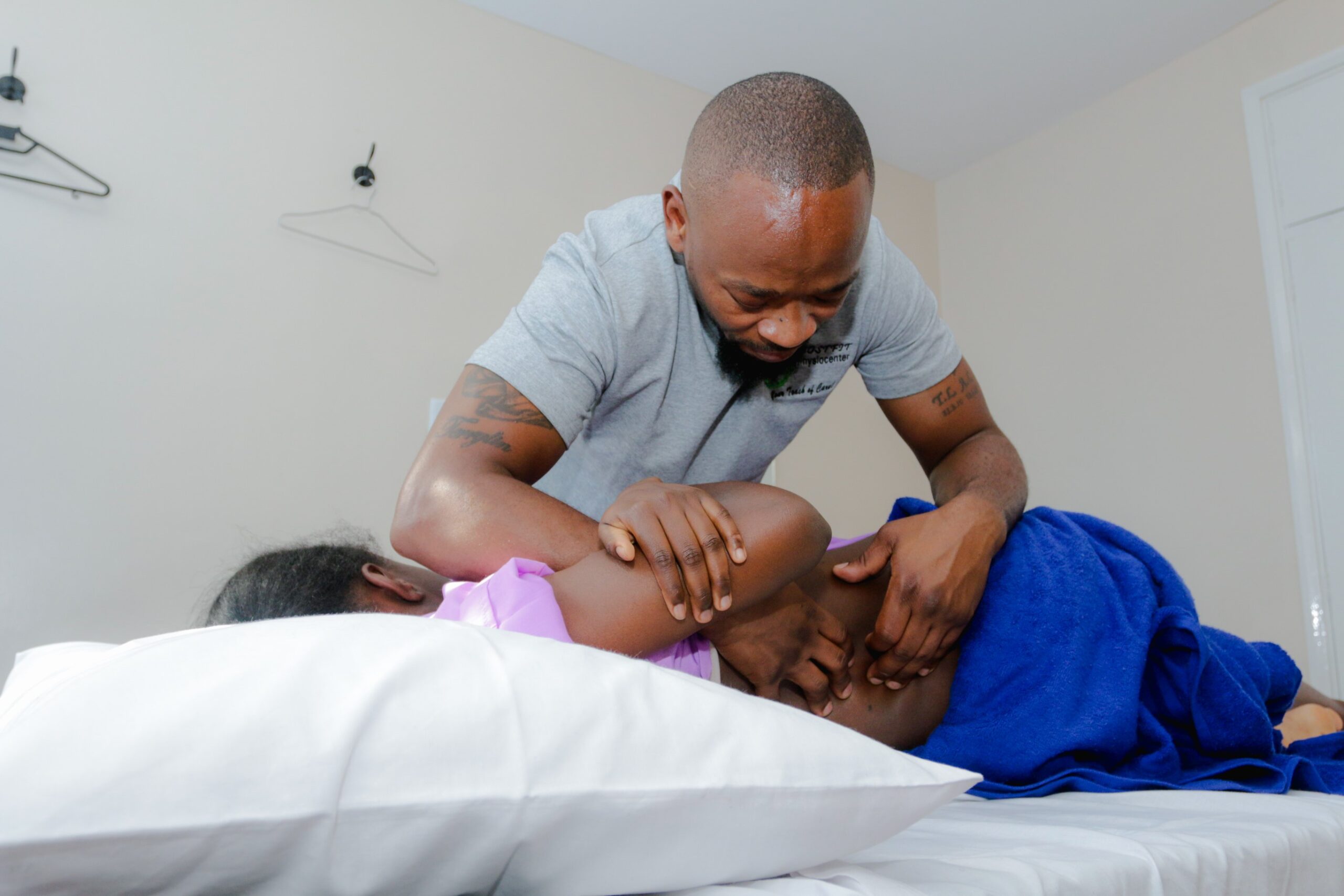
Manual therapy involves using hands-on techniques to manipulate, mobilize, or massage the joints, muscles, tendons, ligaments, or nerves. Manual therapy can help reduce pain, inflammation, stiffness, or spasm; improve range of motion; and facilitate healing.
Manual therapy can be used for various conditions, such as:
- Back pain
- Neck pain
- Headaches
- Arthritis
- Sports injuries
- Postural problems
- Nerve entrapment
Manual therapy can also include techniques such as:
- Joint mobilization: This involves applying gentle pressure or movements to the joints to improve their alignment, mobility, or lubrication.
- Joint manipulation: This involves applying a quick thrust to the joints to create a popping sound or sensation. This can help release tension, restore movement, or relieve pain.
- Soft tissue mobilization: This involves applying pressure or friction to the soft tissues (such as muscles, tendons, ligaments, or fascia) to break down scar tissue, adhesions, or trigger points. This can help improve blood flow, flexibility, or relaxation.
- Neural mobilization: This involves applying gentle tension or gliding to the nerves to improve their mobility, elasticity, or sensitivity. This can help reduce nerve compression, irritation, or inflammation.
Exercise therapy
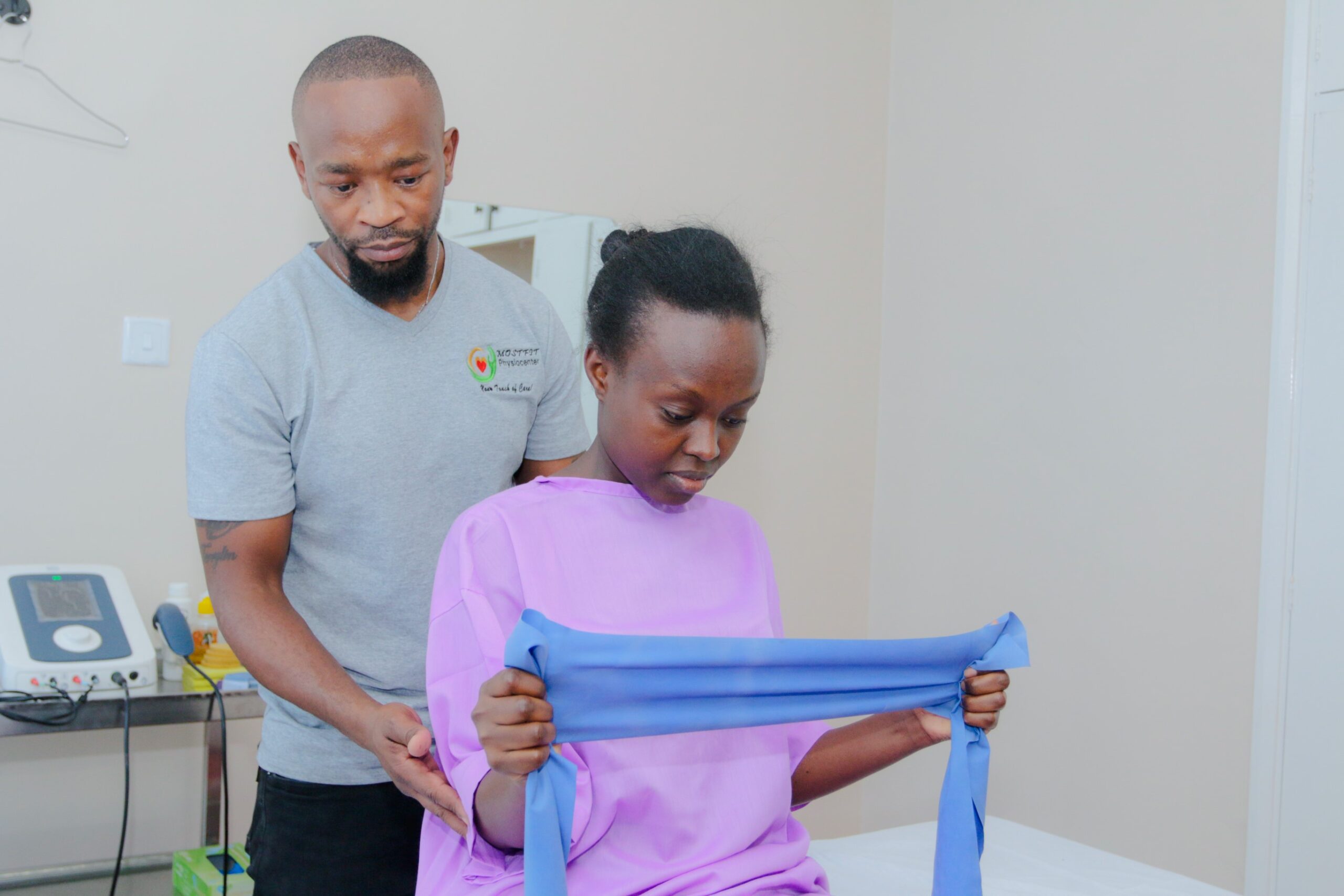
Exercise therapy involves prescribing specific exercises to strengthen, stretch, or stabilize the affected areas of the body. Exercise therapy can help improve function, mobility, balance, coordination, endurance, or posture; prevent or correct deformities; and enhance performance.
Exercise therapy can be used for various conditions, such as:
- Osteoporosis
- Stroke
- Parkinson’s disease
- Multiple sclerosis
- Cerebral palsy
- Diabetes
- Obesity
- Cardiovascular disease
Exercise therapy can also include techniques such as:
- Therapeutic exercise: This involves performing exercises that target specific muscles, joints, or body parts. These exercises can be done with or without equipment (such as weights, bands, balls, or machines). They can help improve strength, power, endurance, flexibility, or stability.
- Functional exercise: This involves performing exercises that mimic the activities of daily living (such as walking, climbing stairs, reaching overhead, or lifting objects). These exercises can help improve mobility, balance, coordination, agility, or speed.
- Neuromuscular exercise: This involves performing exercises that stimulate the nervous system and the muscles. These exercises can help improve motor control, proprioception (the sense of position and movement), reaction time, or reflexes.
Electrotherapy
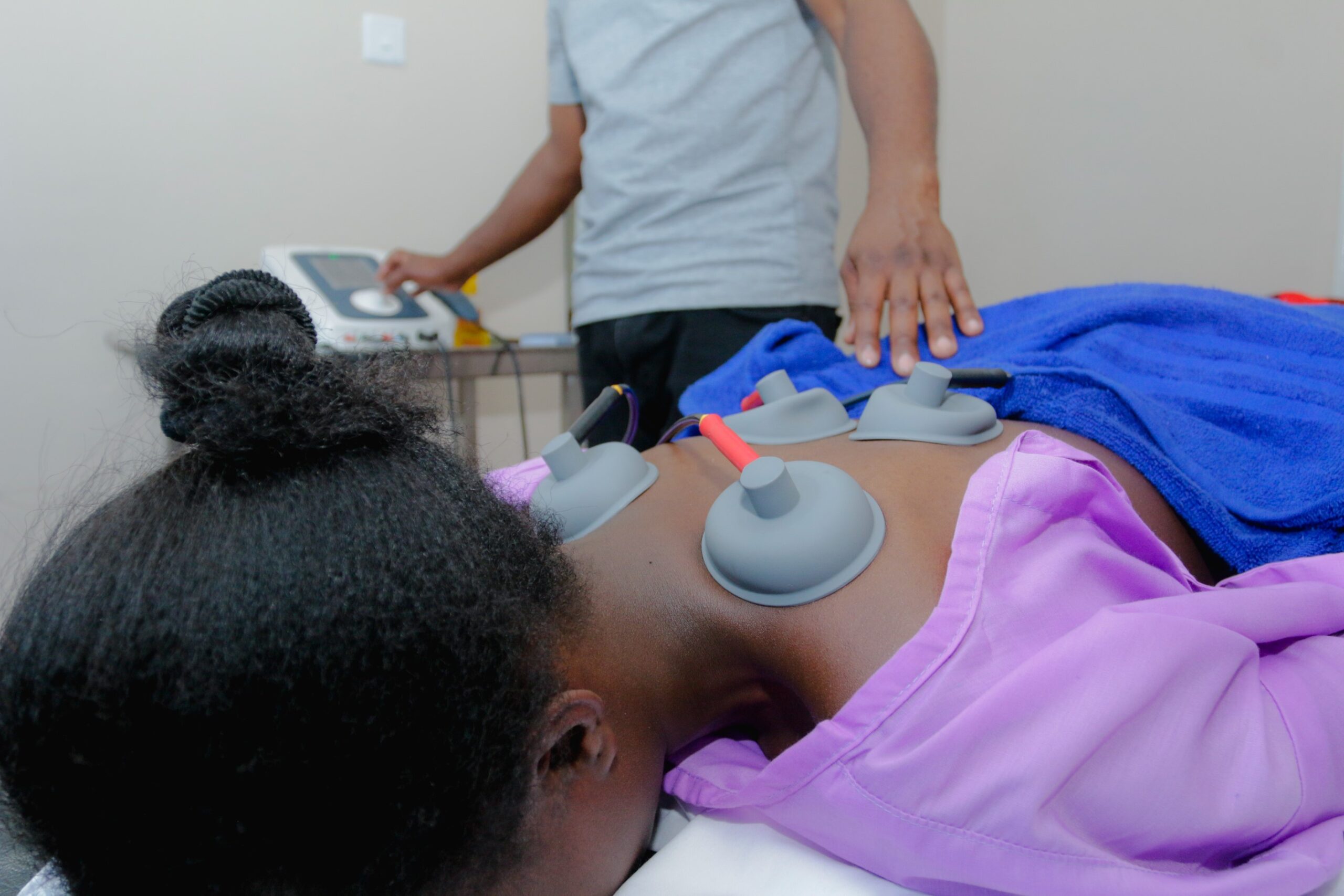
Electrotherapy involves using electrical currents or impulses to stimulate the nerves, muscles, or tissues. Electrotherapy can help modulate pain; increase blood flow; reduce swelling; promote healing; or restore muscle function.
Electrotherapy can be used for various conditions, such as:
- Acute pain
- Chronic pain
- Wound healing
- Muscle atrophy
- Muscle spasm
- Edema
- Inflammation
Electrotherapy can also include techniques such as:
- Transcutaneous electrical nerve stimulation (TENS): This involves applying low-voltage electrical currents to the skin through electrodes. This can help block pain signals from reaching the brain; activate endorphins (the natural painkillers); or stimulate acupuncture points.
- Interferential current (IFC): This involves applying two medium-frequency electrical currents that interfere with each other to create a low-frequency current. This can help penetrate deeper into the tissues; reduce pain; increase blood flow; or relax muscles.
- Electrical muscle stimulation (EMS): This involves applying electrical impulses to the muscles through electrodes. This can help contract the muscles; prevent muscle wasting; increase muscle strength; or retrain muscle function.
Hydrotherapy
Hydrotherapy involves using water as a medium for treatment. Hydrotherapy can help relax the muscles; reduce stress; improve circulation; increase joint mobility; or provide resistance for exercise.
Hydrotherapy can be used for various conditions, such as:
- Arthritis
- Fibromyalgia
- Low back pain
- Sciatica
- Spinal cord injury
- Stroke
Hydrotherapy can also include techniques such as:
- Whirlpool: This involves immersing the body in a tub of warm water that has jets of water that create bubbles and massage the body. This can help soothe sore muscles; reduce swelling; or stimulate blood flow.
- Aquatic exercise: This involves performing exercises in a pool of water that is heated to a comfortable temperature. This can help reduce the impact of gravity; support the body weight; or increase the range of motion.
- Contrast bath: This involves alternating between immersing the body in hot and cold water. This can help improve blood circulation; reduce inflammation; or speed up recovery.
Acupuncture
Acupuncture involves inserting fine needles into specific points on the body to stimulate the flow of energy or chi. Acupuncture can help relieve pain; reduce inflammation; balance the nervous system; or promote healing.
Acupuncture can be used for various conditions, such as:
- Migraine
- Tension headache
- Neck pain
- Shoulder pain
- Elbow pain
- Wrist pain
- Knee pain
- Ankle pain
Acupuncture can also include techniques such as:
- Dry needling: This involves inserting needles into trigger points (knots or tight bands of muscle) to release them and relieve pain.
- Electroacupuncture: This involves attaching electrodes to the needles and applying a mild electrical current to them. This can help enhance the effects of acupuncture; increase nerve stimulation; or modulate pain signals.
- Cupping: This involves placing cups on the skin and creating a vacuum by suctioning out the air. This can help lift the skin and the underlying tissues; increase blood flow; or remove toxins.
These are just some examples of the common physiotherapy treatments that may be used depending on your condition and goals. Your physiotherapist will assess your situation and design a personalized treatment plan that suits your needs and preferences. Physiotherapy can help you recover from injury, prevent further damage, improve your health, and enhance your quality of life.