Pain Should Never Control Your Life: Get Evidence-Based Physiotherapy for Lasting Relief at Mostfit
Understanding Pain: More Than Just a Sensation
The International Association for the Study of Pain defines pain as “an unpleasant sensory and emotional experience associated with, or resembling that associated with, actual or potential tissue damage”. This definition, updated in 2020, emphasises that pain is subjective and may not always correspond to observable tissue damage. Pain is not merely a physical signal; it is shaped by psychological, emotional, and social factors. However, pain should never control your life. You need the right solution and that’s why we exist to offer expert physiotherapy in Nairobi for our clients.
Chronic pain—pain that persists or recurs for longer than three months—affects approximately 1.17 billion people worldwide. In Kenya, the prevalence of chronic pain is strikingly high, with one study reporting a prevalence of 95%. This figure, while startling, reflects the scale of the challenge facing individuals, families, and the healthcare system.
Low back pain, one of the most common forms of chronic pain, is a significant concern in Kenya. The Global Burden of Disease 2019 report identified low back pain as a major musculoskeletal condition, accounting for 7.4% of years lived with disability. Among primary school teachers in rural Western Kenya, the 12-month prevalence of low back pain is 64.98%. Among bank employees in Nairobi, low back pain is a recognised occupational health concern. These figures show that pain is not a rare or isolated problem—it touches every sector of society.
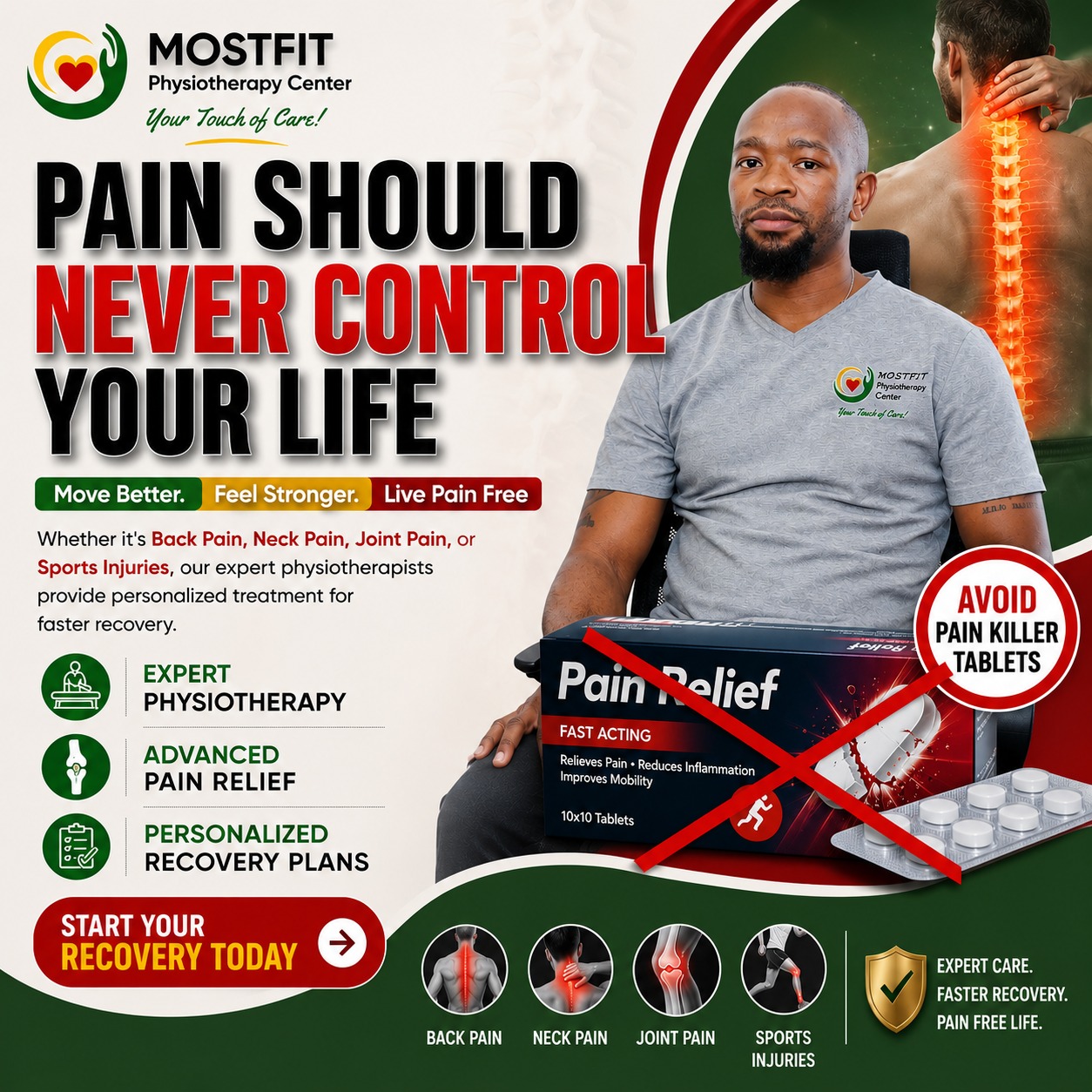
Pain Should Never Control Your Life: Why Painkillers Are Not the Complete Answer
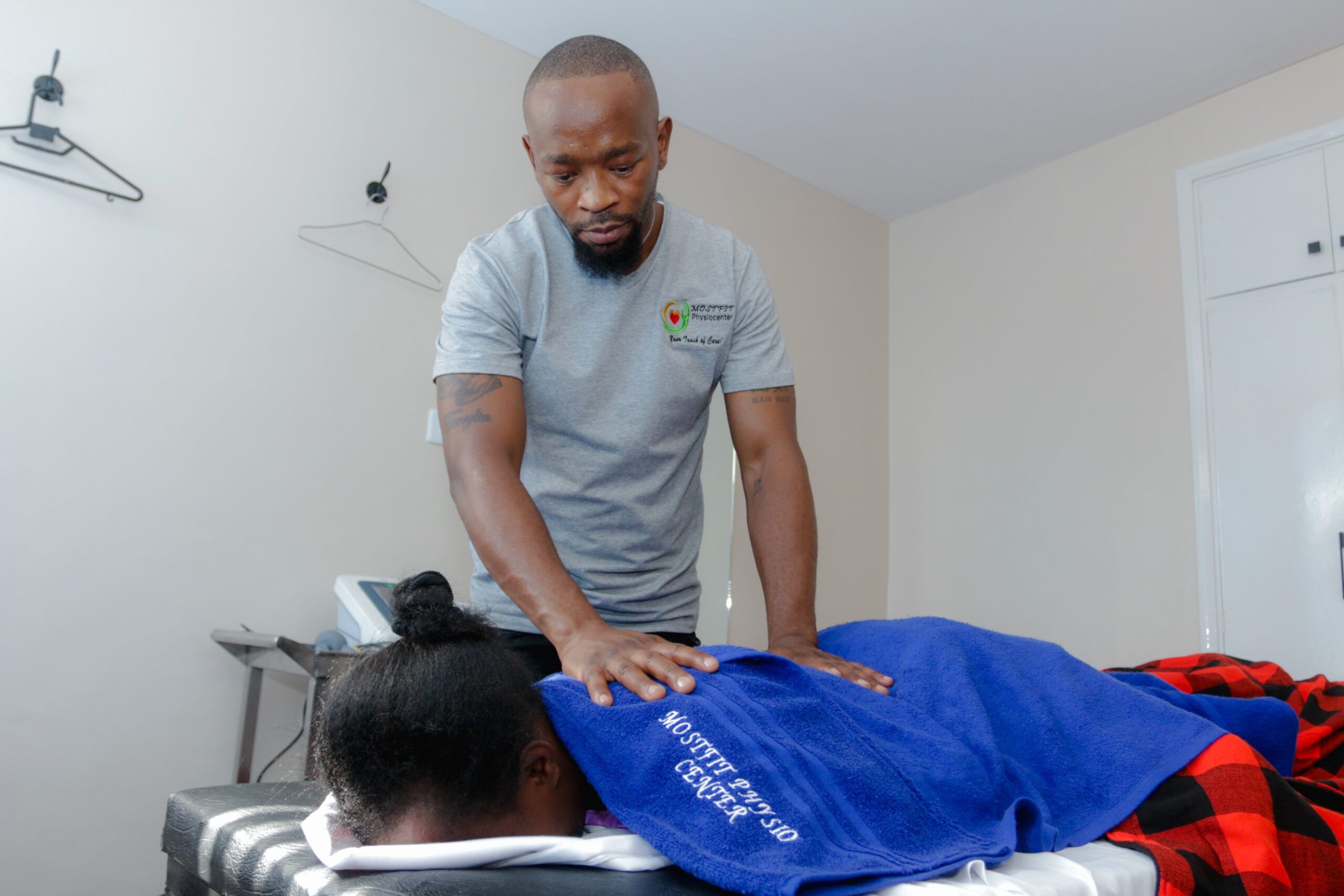 Pain medication plays an important role in acute pain management. However, relying solely on painkillers for chronic pain often fails to address the underlying causes. The CDC’s 2022 Clinical Practice Guideline for Prescribing Opioids for Pain recommends maximising the use of nonpharmacologic and nonopioid therapies as appropriate for the specific condition and patient. Many noninvasive nonpharmacologic approaches, including physical therapy, can improve pain and function without risk for serious harms.
The limitations of painkillers are well documented. They provide temporary relief but do not correct movement dysfunction, muscle weakness, or joint instability. They do not address the fear-avoidance behaviours, pain catastrophising, or activity avoidance that often accompany chronic pain. Furthermore, long-term use of certain pain medications carries risks of dependency, tolerance, and adverse effects.
In Kenya, inadequate pain management has been identified as a significant problem. One study found that 66% of hospitalised patients had undertreated pain. Inadequate pain management affects patient outcomes by potentially increasing hospital stay, delaying recovery, and significantly interfering with the patient’s physical, emotional, and spiritual wellbeing. The high prevalence of chronic pain in Kenya is partly due to inadequate knowledge and negative attitudes among healthcare professionals towards pain management. This gap in care underscores the need for evidence-based, patient-centred approaches.
Physiotherapy offers a different path. Instead of simply masking symptoms, physiotherapists assess how the body moves, identify contributing factors, and develop personalised treatment plans that address the root causes of pain. The World Physiotherapy organisation defines physiotherapy as services that “develop, maintain and restore maximum movement and functional ability”.
The Evidence for Physiotherapy in Chronic Pain Management | Expert Physiotherapy in Nairobi
What the Research Shows
High-quality evidence demonstrates that exercise therapy—a core component of physiotherapy—reduces pain and improves function for conditions including back pain, fibromyalgia, and hip or knee osteoarthritis. These improvements are sustained for at least two to six months after treatment. The CDC notes that “many noninvasive nonpharmacologic approaches, including physical therapy, weight loss for knee osteoarthritis, and behavioural therapies, can improve pain and function without risk for serious harms”.
A 2025 systematic review and meta-analysis examined the effectiveness of pain neuroscience education (PNE) combined with physical therapy interventions. The findings indicate that PNE combined with physical therapy significantly reduces pain intensity and enhances functionality. The mean pain score decreased from 5.89 (pre-intervention) to 3.03 (post-intervention), with similar improvements observed in disability outcomes.
A randomised clinical trial published in JAMA Neurology found that adding pain neuroscience education to a cognition-targeted physical therapy program provided significantly better one-year outcomes than standard physiotherapy in patients with nonspecific chronic back pain. Over a one-year period, patients in the experimental group had a 50% decrease in reported pain, less attention to pain, an overall reduction in perceived disability, less fear of movement, and improvements in mental and physical functioning.
These findings show that physiotherapy is not merely an alternative to medication—it is a scientifically validated intervention that produces meaningful, sustained improvements.
The Biopsychosocial Approach
Modern physiotherapy has shifted from a traditional biomedical model to a biopsychosocial approach. This model recognises that pain arises from bidirectional interactions between biological, psychological, and social factors. It views pain as a complex and subjective experience that cannot be reduced to tissue damage alone.
The biopsychosocial model has acquired recognition as a more comprehensive approach to addressing the complexity of the physiotherapy profession. Integrating this model becomes essential for addressing the complex needs of patients with chronic pain and improving patient engagement and clinical outcomes. Physiotherapists working within this framework do not simply treat a diagnosis; they treat the whole person.
In practice, this means that physiotherapists assess not only physical impairments but also psychological factors such as fear-avoidance beliefs, catastrophising, and self-efficacy. They address social factors that may influence recovery, such as work environment, family support, and access to resources. This comprehensive approach helps patients develop the skills and confidence to manage their condition independently.
Pain Neuroscience Education
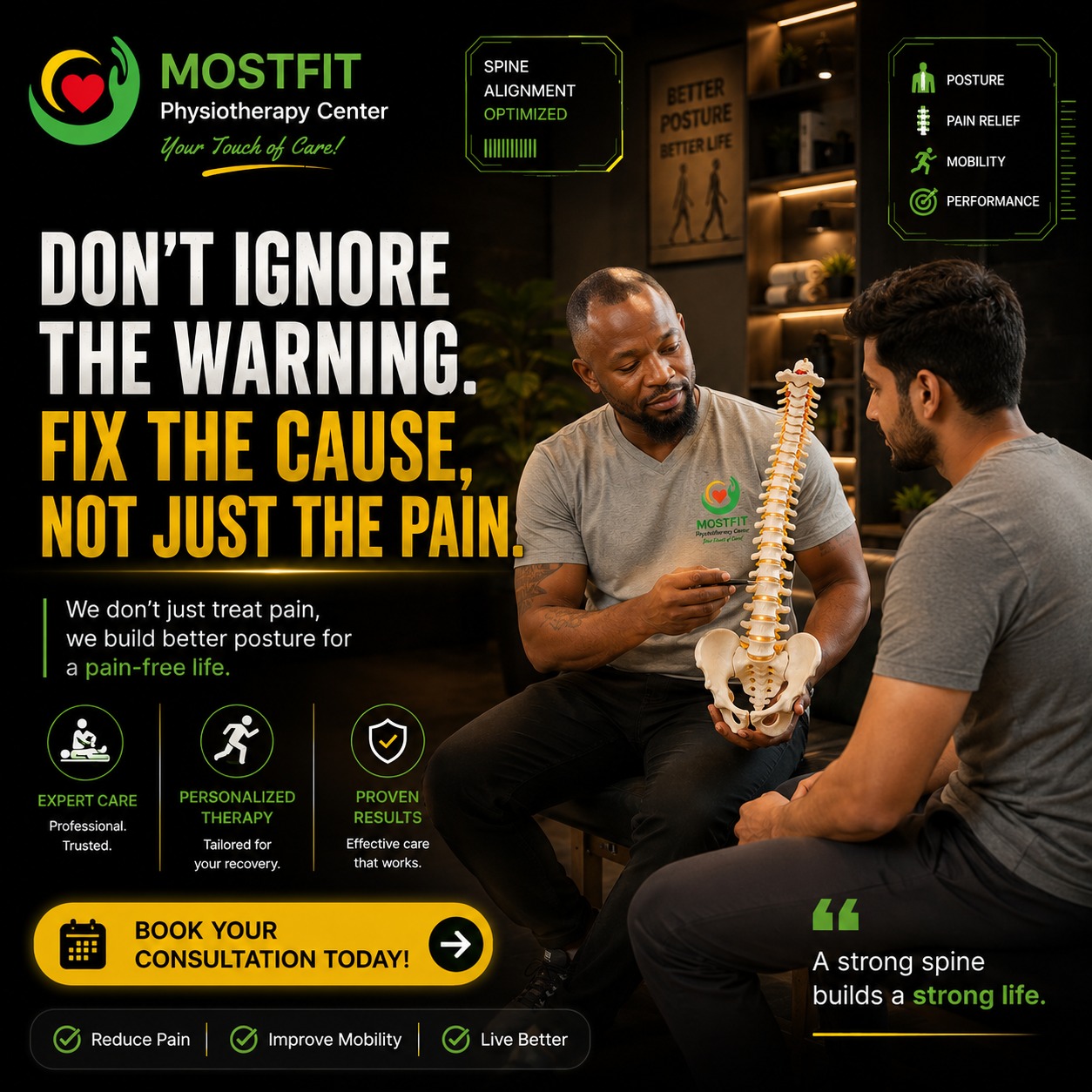 Pain neuroscience education is a core component of modern physiotherapy for chronic pain. Its goal is to increase patients’ understanding of pain and the nervous system, ultimately helping them reconceptualise their pain experience. Pain neuroscience education aims to modify beliefs through pain reconceptualisation.
When patients understand how pain works—how the nervous system can become sensitised, how thoughts and emotions influence pain perception, and how movement and activity can help retrain the brain—they are better equipped to engage in their recovery. This understanding reduces fear, builds confidence, and empowers patients to take an active role in their treatment.
The integration of pain neuroscience education with physical therapy appears to be an effective approach for reducing pain and improving functional outcomes in patients with chronic pain. It is not about dismissing pain or telling patients that “it’s all in their head.” It is about providing accurate, accessible information that helps patients make sense of their experience and take control of their recovery.
Why Choose Expert Physiotherapy in Nairobi at Mostfit
Professional Standards and Regulation
Physiotherapists practising in Kenya must be registered and licensed by the Physiotherapy Council of Kenya under the Physiotherapist Act No. 20 of 2014. The Kenya Society of Physiotherapists has been a member of World Physiotherapy since 1982, aligning local practice with international standards. This regulatory framework ensures that patients receive care from qualified professionals who adhere to recognised standards of practice.
What Sets Our Expert Care Apart
 Expert physiotherapy goes beyond exercises. It involves:
- Comprehensive assessment of movement patterns and function
- Identification of underlying causes, not just symptoms
- Evidence-based intervention selection
- Ongoing evaluation and adjustment of treatment
- Education for long-term self-management
- Collaboration with other healthcare professionals when needed
Physiotherapists operate as independent practitioners, and patients may seek direct services without referral. This direct access means you can begin your recovery without unnecessary delays.
At Mostfit Physiotherapy Center, we take time to assess each patient’s condition thoroughly, understand their goals, and develop a personalised rehabilitation plan. Our approach is grounded in the principles of patient-centred care endorsed by World Physiotherapy.
We treat:
- Back pain and neck pain
- Joint pain and arthritis
- Sports injuries
- Muscle stiffness and strains
- Post-surgical rehabilitation
- Work-related injuries
- Recurring aches and discomfort
Taking the Next Step: Reclaim Your Life
 The decision to seek physiotherapy is a decision to invest in your quality of life. Whether you have been living with persistent pain, suffered a recent injury, or undergone surgery, expert rehabilitation can help you restore strength, improve mobility, and regain confidence in your body.
Research consistently shows that active approaches—those that engage the patient in their own recovery—produce more sustained improvements than passive treatments alone. Your physiotherapist will work with you as a partner in your recovery, not simply as a provider of treatment.
When you attend a physiotherapy consultation, you can expect:
- A thorough discussion of your medical history and current concerns
- Physical assessment of movement, strength, and function
- Clear explanation of findings and recommended treatment options
- A personalised treatment plan with realistic goals
- Practical advice for self-management between sessions
Imagine waking up feeling refreshed. Working comfortably. Playing with your children. Exercising confidently. Travelling without worrying about every step. That is the freedom we are working towards—together.
Pain should never control your life. With expert physiotherapy, you can understand your pain, treat its causes, restore movement, and get back to living life without letting pain dictate your choices.
- 📍 Visit us at Ring Road Parklands, Nairobi (Inside Kenya Drapers Compound)
- 📞 Call or WhatsApp 0743 217 360 to book your physiotherapy assessment today
Stop chasing temporary relief. Start working towards lasting recovery.
References:
- Sánchez Robalino, et al. Effectiveness of Pain Neuroscience Education in Physical Therapy: A Systematic Review and Meta-Analysis. Brain Sciences. 2025;15(6):658. Available from: https://pmc.ncbi.nlm.nih.gov/articles/PMC12191368/
- CDC. CDC Clinical Practice Guideline for Prescribing Opioids for Pain — United States, 2022. MMWR Recomm Rep. 2022;71(No. RR-3):1-95. Available from: https://www.cdc.gov/mmwr/volumes/71/rr/rr7103a1.htm
- Malfliet A, et al. Effect of Pain Neuroscience Education and Cognition-Targeted Motor Control Training on Chronic Spinal Pain. JAMA Neurology. 2018. Available from: https://neurologytoday.aan.com/
- Elias HE, Downing R, Mwangi A. Low back pain among primary school teachers in Rural Kenya: Prevalence and contributing factors. African Journal of Primary Health Care & Family Medicine. 2019;11(1):1-7. Available from: https://scielo.org.za/scielo.php?script=sci_abstract&pid=S2071-29362019000100011
- Mutua MM, Waiganjo. Low Back Pain and the Severity amongst Bank Personnel within Nairobi City County. International Journal of Physiology, Health and Physical Education. 2023. Available from: https://repository.ku.ac.ke
- Pain is an unpleasant sensory and emotional experience associated with actual and potential tissue damage. Meru University of Science and Technology. Available from: https://journals.must.ac.ke
- World Physiotherapy. Policy statement: Description of physiotherapy. Available from: https://world.physio/policy/ps-descriptionPT
- Kenya Society of Physiotherapists. Member profile. World Physiotherapy. Available from: https://www.world.physio
- Physiotherapy Council of Kenya. Registration and Licensing of Physiotherapists. Available from: https://pck.go.ke
- Mostfit Physiotherapy Center. Difference Between Physiotherapy and Physical Therapy. Available from: https://mostfitphysiocenter.com/difference-between-physiotherapy-and-physical-therapy/
NB: This article is for informational purposes and does not constitute medical advice. Always consult a qualified physiotherapist for assessment and treatment of your specific condition.